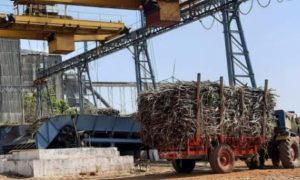
Cane crushing gains pace in Maharashtra, but sugar output likely to fall

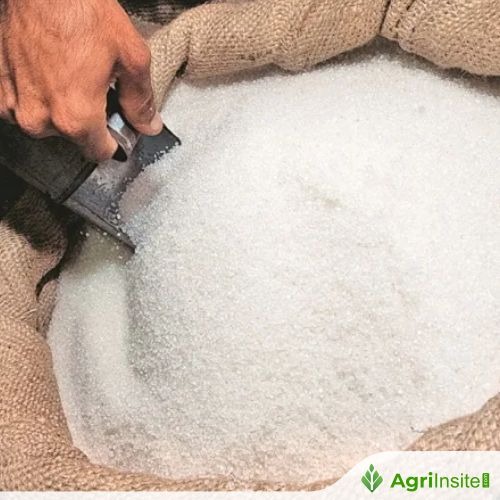
Maharashtra’s 161 sugar mills have crushed 217 lakh tonnes of cane and produced 18.8 lakh tonnes of sugar at 8.7% recovery during 2026-27. Production may fall to 85 lakh tonnes this season, with experts warning of a further 50% decline next year due to reduced cane availability.
Kolhapur: Maharashtra’s sugar factories have accelerated crushing operations, with 161 mills operating after the 2026-27 crushing season officially began on Oct 15. Together, they have crushed 217 lakh tonnes of sugar cane and produced 18.8 lakh tonnes of sugar so far with an 8.7% net recovery rate. However, industry experts warn that overall sugar production may decline sharply this season and fall further next year because of lower cane availability.
Pune division has emerged as the frontrunner, accounting for 57 lakh tonnes of cane crushing and 5.5 lakh tonnes of sugar production. Kolhapur has recorded the highest sugar recovery rate at 9.6%, followed by Pune at 9.4%.
Last year, Maharashtra produced 99 lakh tonnes of sugar and topped the country. This season, production is expected to be significantly lower.
“This time production will slip to a maximum of 85 lakh tonnes. Next year will be critical given the cane production is going to dip by 50% and so will be the sugar production. The mills from Marathwada and Solapur are going to affect the most as the productivity or tonnage-per-acre yield of cane has been hit. Next year, govt will have to rely on import of sugar to address domestic needs and the decision may be taken as early as Jan-Feb to ensure there is adequate stock in the retail markets,” said Vijay Autade, sugar industry expert.
The concern is not limited to Maharashtra. Uttar Pradesh and Karnataka, the other major sugar-producing states, started crushing later than usual. Together with Maharashtra, the three states account for the bulk of India’s sugar output. India produced around 280 lakh tonnes of sugar last year.
On the ground, farmers are being advised not to rush cane to factories. With cane supplies expected to tighten, growers may realise better prices by staggering harvests. Demand for mechanical harvesters has also risen as farmers race to clear fields and sow rabi crops.
“The rabi crops when sowed on time require less water, and yield is not impacted. I am going to sow jowar and wheat once the cane is harvested. Manual harvesting takes time. Machine harvesters carry out the same task in couple of days,” said Ravindra Salunkhe, a farmer from Nagthane village in Sangli district.
To Read more about Sugar Industry continue reading Agriinsite.com
Source : The Times of India