El Nino-induced dry spell puts AP’s Kharif at risk

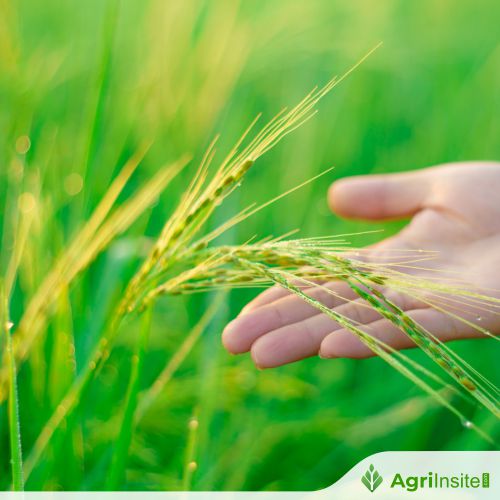
Andhra Pradesh faces severe drought as El Niño weakens the southwest monsoon, threatening 50.51 lakh hectares of crops with delayed Kharif sowing and low reservoir levels. The government has initiated contingency measures, crop diversification and natural farming to reduce agricultural and water security risks.
Amaravati: Andhra Pradesh is confronting one of its most serious agricultural challenges in recent years as the ominous El Nino phenomenon has weakened the southwest monsoon, triggering a pervasive drought just as the Kharif season enters its most critical phase. With vast stretches of farmland remaining dry, sowing operations have been delayed across districts. Amid falling reservoir levels, concern is mounting that the weather disruption could severely affect the rural economy.
Agriculture Department officials have sounded a major warning, estimating that El Nino could impact cultivation across 50.51 lakh hectares. Its assessment classifies 9.10-10 lakh hectares under severe impact, 14.88 lakh hectares under moderate impact and 26.53 lakh hectares under lower impact. Particularly vulnerable is the state’s 22.53 lakh hectares of rain-fed agriculture, under which crops such as cotton, maize, groundnut, pulses and paddy face the highest risk from prolonged dry spells.
The department’s assessment covers state’s network of 8,489 Rythu Seva Kendras (RSKs). Of these, areas under 1,161 RSKs have been identified as high-risk zones, those under 2,389 as moderate-risk areas and the ones under 4,939 as lower-risk regions. Officials say Rayalaseema and the erstwhile Prakasam-Nellore region are expected to bear the brunt because of their heavy dependence on monsoon rainfall.
The available rainfall data presents an alarming picture. Although the southwest monsoon entered State on June 6, rainfall has remained highly erratic. Against the normal 79.24 mm rainfall expected during June, the state received only 29.17 mm, resulting in a 63 per cent deficit. Out of 28 districts, 17 districts recorded severe rainfall deficiency ranging from 60 per cent to 99 per cent below normal. Between June 1 and July 4, the state registered an overall rainfall deficit of 26.6 per cent, while several regions continued to record rainfall shortages exceeding 40 per cent into the first half of July.
The delayed monsoon has virtually halted Kharif operations in many districts. Farmers who normally complete sowing during June are still waiting for adequate rainfall before investing in seeds, fertilisers and labour. Those who sowed after the initial pre-monsoon showers have already suffered losses as germinating seedlings withered under intense heat. In several districts, paddy nurseries have dried up before transplantation, while vegetable crops and young plantations have also suffered moisture stress.
Water storage in major reservoirs has also become a growing concern. Srisailam Reservoir, with a full capacity of 215.810 TMC, currently holds only about 42 TMC (19.47 per cent), while Nagarjuna Sagar, designed to store 312 TMC, contains around 138 TMC (44.24 per cent).
Officials warned that if rainfall remains poor in upper catchment areas, irrigation supplies to downstream ayacut areas and even drinking water availability could come under pressure.
The IMD estimates that this year’s southwest monsoon may remain around 90 per cent of the Long Period Average (LPA), with an 84 per cent probability of below-normal rainfall nationally.
The El Nino event, which began in June, is expected to gather strength and continue into 2027, increasing the risk of hotter temperatures, prolonged dry spells, and sudden episodes of intense rainfall.
Recognising the seriousness of the situation, Chief Minister N Chandrababu Naidu has directed officials to implement contingency measures, promote crop diversification, encourage crop rotation, and expand natural farming practices.
To Read more about Rice News continue reading Agriinsite.com
Source : The Hans India