El Niño threatens India’s edible oil security as oilseed production faces severe setback

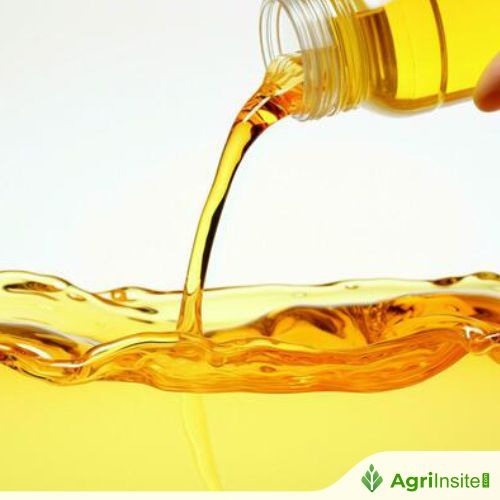
India’s edible oil sector faces rising pressure as El Niño weakens the monsoon, reducing oilseed sowing and threatening yields, potentially increasing import dependence. Experts recommend climate-resilient farming, expanded irrigation and drought-tolerant crops, while advising consumers to diversify cooking oils and use palmolein in moderation for better health.
India’s edible oil sector is facing renewed pressure as the ongoing El Niño phenomenon has disrupted the southwest monsoon, leading to deficient rainfall, soaring temperatures, and declining production of major rainfed oilseed crops. Agricultural experts warn that reduced domestic output could significantly increase the country’s dependence on imported edible oils while affecting the livelihoods of millions of farmers.
Soybean, groundnut, sunflower, and other kharif oilseed crops are among the worst affected. These crops depend heavily on timely monsoon rainfall during germination, flowering, and pod formation. Delayed or inadequate rainfall has already postponed sowing operations across rain-fed regions, with early estimates indicating that cultivated acreage in some areas has fallen by nearly 40 per cent compared to normal.
The prolonged dry spell is also reducing soil moisture, resulting in poor crop establishment and lower productivity. Heat stress during critical growth stages is expected to reduce pod formation and seed development, further impacting overall yields. Agricultural scientists have also expressed concern over the rapid increase in pest infestations during El Niño years. Hot and dry weather creates favourable conditions for sucking pests such as aphids and whiteflies, forcing farmers to spend more on pesticides while reducing crop profitability.
The decline in domestic oilseed production has broader economic implications. India already imports a substantial share of its edible oil requirement, and any reduction in domestic output is likely to widen the import bill. Previous weak monsoon years have pushed vegetable oil imports to record levels, placing additional pressure on foreign exchange reserves and exposing consumers to global price fluctuations.
Government agencies have identified several rain-fed districts across central and western India as highly vulnerable to climate-induced agricultural stress. Experts recommend expanding irrigation facilities, promoting drought-resistant crop varieties, improving soil moisture conservation, strengthening weather-based advisory services, and encouraging crop diversification to reduce long-term risks.
Choosing cooking oils wisely:
The growing concern over edible oil availability has also renewed public interest in healthier cooking oils. Palm oil and palmolein continue to dominate India’s edible oil imports due to their affordability and wide availability.
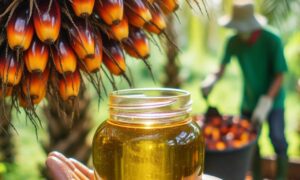
Palm oil is extracted directly from the fruit of the oil palm, whereas palmolein is its refined liquid fraction. Palmolein remains stable at high temperatures, making it suitable for frying and everyday cooking. It also contains Vitamin E and natural antioxidants. However, nutrition experts advise moderation. Palmolein contains nearly 50 per cent saturated fat, and excessive consumption may increase LDL (“bad”) cholesterol and elevate the risk of cardiovascular disease.
Health professionals recommend rotating cooking oils and including healthier alternatives such as mustard, groundnut, sesame, sunflower, rice bran, or olive oil to ensure a balanced intake of essential fatty acids. Consumers are also encouraged to avoid repeatedly reheating cooking oil, as repeated heating may lead to the formation of harmful compounds that affect long-term health.
Balancing nutrition and sustainability:
Environmental experts point out that the rapid expansion of palm oil cultivation has contributed to deforestation and biodiversity loss in several tropical countries. They urge consumers and industries to support sustainably produced palm oil while encouraging greater domestic production of oilseeds to reduce import dependence.
As climate change continues to influence India’s agricultural landscape, experts stress that strengthening climate-resilient farming systems and promoting informed dietary choices will be essential for ensuring food security, nutritional well-being, and economic stability.
To Read more about Edible Oil News continue reading Agriinsite.com
Source : The Hans India