Ethanol industry needs clear policy to operate at full capacity: Rajesh Tope

Maharashtra needs a clear policy framework to fully utilise its ₹21,000–26,000 crore ethanol capacity investments, former minister Rajesh Tope said. He highlighted raw-material availability, sugar supply concerns, possible feedstock restrictions and integrated biorefineries as key 2026-27 challenges.
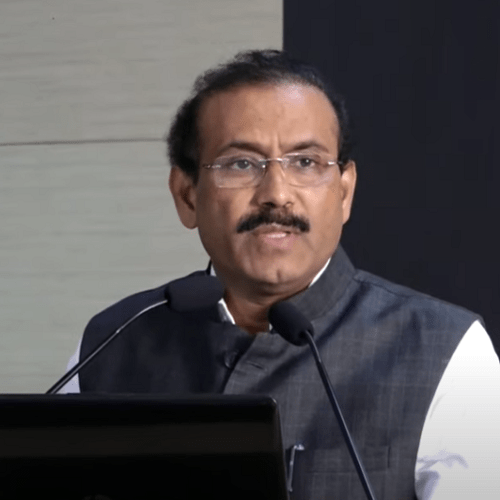
Maharashtra needs a clear policy framework to ensure its ethanol industry operates at full capacity and remains financially viable, former state health minister Rajesh Tope said, warning that the sector could face several challenges in the 2026-27 ethanol season.
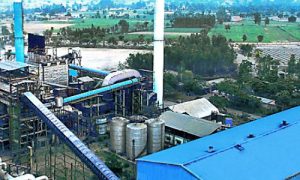
Sugar mills across Maharashtra have made substantial investments in distillery capacity in response to the Centre’s E20 policy. Investment in sugar based distilleries is estimated at Rs 16,500 crore to Rs 20,300 crore, while the total investment for the state’s 16,152 KLPD ethanol capacity could be around Rs 21,000 crore to Rs 26,000 crore, according to estimates cited by Tope.
Tope said the government must frame policies that ensure sustainable availability of raw material and support the efficient use of the capacity already created. He said issues including dual feed technology, an appropriate balance between grain based ethanol and other feedstocks, efficient use of C heavy molasses and value addition of by-products need to be addressed.
He said Maharashtra has 36 grain based distilleries with an annual production capacity of around 104 crore litres. Potential production from C heavy molasses is estimated at 104.56 crore litres, while grain based production could contribute around 104 crore litres, taking the combined potential availability to about 208.56 crore litres.
Tope said the rise in domestic sugar prices over the past two to three months, along with possible restrictions on ethanol production from direct sugarcane juice and B heavy molasses to manage sugar supply and prices, could create difficulties for the sugar industry.
He said distilleries should gradually be developed into integrated biorefineries that generate income from a range of by-products rather than depending only on ethanol sales. He cautioned that projects built with large investments could face financial difficulties if their installed capacity is not utilised adequately.
According to Tope, Maharashtra will face three key challenges in the 2026-27 season: maintaining domestic sugar supply and controlling prices, ensuring adequate ethanol for the E20 programme, and protecting the financial viability of investments worth thousands of crores made in the ethanol sector.
He said sugar mills should focus on running their units throughout the year at high capacity, with sufficient raw material and in a financially viable manner.
Tope said Maharashtra’s ethanol industry has already created significant infrastructure and that the available capacity should be utilised to its full potential.
To Read more about Ethanol Industry & Bio Energy News continue reading Agriinsite.com
Source : ChiniMandi