From 50 tonnes to 30: How water shortage is hitting Karnataka’s sugarcane farmers

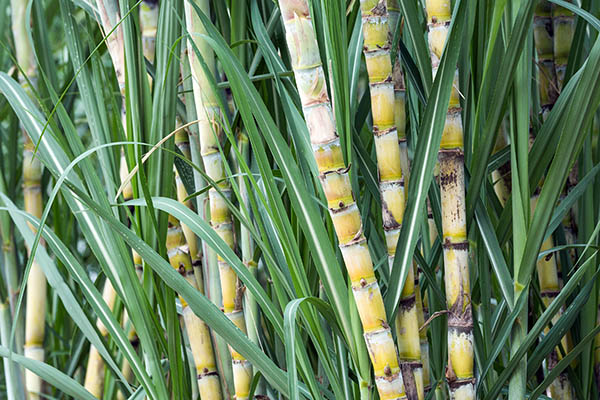
Rainfall deficit, falling groundwater and low dam storage have severely stressed Karnataka’s sugarcane crop, causing pest attacks and yield losses of over 40% in some areas. Reduced sucrose and cane availability may force mills to end crushing early, worsening farmers’ financial distress.
A drop in groundwater levels due to rainfall deficit, coupled with low water storage in dams, appears to have affected sugarcane crop in the state. Poor rainfall has also resulted in pests and diseases, leading to crop damage and financial distress among growers. Sugarcane is a water-intensive crop and depends heavily on rainfall.
In parts of South and Central Karnataka where sugarcane is being harvested, water stress has significantly reduced yields by stunting plant growth, limiting stalk elongation and drying out the crop. Harvest season in Kittur Karnataka and Kalyana Karnataka begins in October. Deficient southwest monsoon has triggered severe moisture stress, leading to stunted growth. Experts say this lowers sucrose content, which in turn reduces factory recovery rates.
Karnataka is the third largest producer of sugarcane and sugar in India after Uttar Pradesh and Maharashtra. Sugarcane cultivation has steadily grown over the years due to the increase in the number of sugar mills. This year cane is cultivated in over 7 lakh hectares. There are a total of 81 sugar factories and more than 75% of them are in Belagavi, Vijayapura, Kalaburagi, Bidar and Bagalkot districts.
While around 50% of the crop depends on groundwater, the remaining area is irrigated using canal water. Sugarcane is grown in major dam command areas across the state, particularly relying on reservoirs like the Krishna Raja Sagara in the Cauvery basin and Almatti and Narayanapura reservoirs along the Krishna basin. This year, dams also do not have adequate water storage.
Farmer leader Chunappa Pujari, from Mudalagi taluk of Belagavi district, says that the cane crop grown on his eight acres of land is affected by root grub pest. “Yield will be reduced by more than 40% due to deficit rainfall and pest attack in Belagavi, which is known as the Sugar Bowl of Karnataka. We will face a dismal situation next year due to the considerable fall in underground water and rising cost of cultivation,” he said.
Kalaburagi Krishi Vigyana Kendra scientist Raju Teggalli said that root grub attacks the roots of the plant, causing the crop to turn yellow and dry up due to the lack of soil moisture. He added that a large number of sugarcane fields are affected by the Pyrilla bug (Pyrilla perpusilla), a destructive sap-sucking insect.
The farmer Sharanappa Pujari removes dried sugarcane crop grown on his land in Allagi (K) village of Afzalpur taluk using a tractor due to the rainfall deficit.
Jagadish Patil, who has grown sugarcane in 12 acres in Kalagi taluk of Kalaburagi district, says he might get a yield of 30 tonnes this time, compared to 50 tonnes last year. Absence of water flow in the Bhima river and depletion of the groundwater level has dealt a severe blow to cane producers in the region.
“I have been growing sugarcane for the last two decades. A large number of farmers have grown sugarcane in the taluk after the establishment of Siddhasiri Ethanol and Power Unit in Chincholi last year. As sugarcane has dried up due to monsoon failure, many farmers are finding it difficult to protect their crop,” says Jagadish Patil, who is also the Kalaburagi District Sugarcane Growers Association president.
Low yield will reduce farmers’ income though the prices of sugar and jaggery have skyrocketed ahead of the festival season. South Indian Sugar Mills Association (SISMA) president Yogesh Patil, who is also director of Athani Sugars Limited, said that the mills have already sold more than 80% of the previous year’s stock for less than Rs 37 per kg. Pointing out that the price may fall again after the festival season, he maintained that mills have already paid up to Rs 3,300 per tonne Fair and Remunerative Price (FRP) to the farmers.
“The reduced cane yield will force us to shut down crushing operations much earlier than usual. The cost of sugar production has increased due to the drastic rise in sulfur and polypropylene bags following the war in the Middle East,” Yogesh Patil said.
To Read more about Sugar Industry continue reading Agriinsite.com
Source : Deccan Herald