HAU signs agreement with FAO Bangkok to promote direct seeding of rice

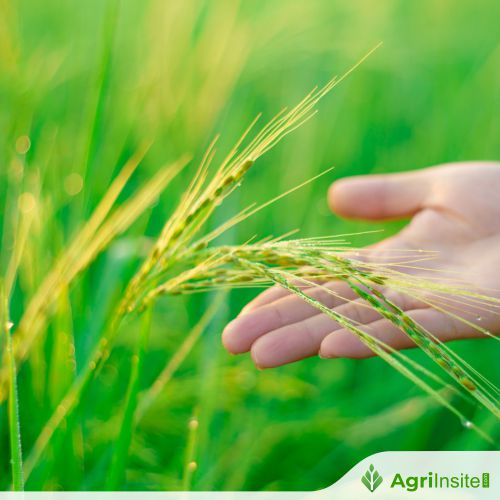
HAU and FAO have signed an agreement to promote climate-resilient agriculture and direct seeding of rice (DSR) in Haryana under the GEF-7 project. The initiative will support farmers through training, biological seed-treatment technologies, and demonstration plots, aiming to conserve water, reduce costs and chemical use, improve soil health, and enhance sustainable rice production.
Chaudhary Charan Singh Haryana Agricultural University (HAU) has signed an agreement with the Food and Agriculture Organisation (FAO) of the United Nations, Bangkok, to promote climate-resilient farming, especially direct seeding of rice (DSR), under Global Environment Facility (GEF-7) Food Systems, Land Use, and Restoration Project.
A university spokesperson said the agreement aims to promote DSR through biological seed-treatment technologies and encourage farmers to adopt climate-smart and sustainable agricultural practices.
The visiting delegation included officials from the FAO Regional Office for Asia and the Pacific in Bangkok and representatives from FAO India. They included Lead Technical Officer Beau Damon, Senior Technical Officer Jitender Jaiswal, Technical Officer Sameer Karki, Agronomist Dr Matthew Champness, National Technical Coordinator Vinay Singh, and FAO Agronomist Dr Ashok Kumar.
HAU Vice-Chancellor Prof BR Kamboj said DSR technology uses less water, labour, and cost than conventional paddy transplantation. “This will help protect the environment while increasing farmers’ income,” he said.
Prof Kamboj added that the initiative would be a crucial step toward making agriculture more sustainable and resilient to climate change. “Under the project, farmers will get training, technical guidance, and demonstration programmes to familiarise them with modern and environmentally friendly farming technologies,” he said.
Dr Rajesh Gera, Dean of College of Basic Sciences and Humanities and nodal officer of the project, said biological seed treatment improves soil health, boosts beneficial microorganisms, and enhances crop productivity. The technology will also help maintain ecological balance by reducing chemical use in agriculture, he added.
FAO and HAU will jointly set up demonstration plots in selected areas to motivate farmers to adopt advanced DSR technology. This will promote water conservation, improve land productivity, and support sustainable food systems, the spokesperson said.
HAU Director of Research Dr Rajbir Garg signed the agreement for the university, while Takayuki Hagiwara signed for FAO.
A six-member FAO delegation is currently on a two-day visit to the university and held detailed discussions with the Vice-Chancellor on various subjects.
To Read more about Rice News continue reading Agriinsite.com
Source : The Tribune