India May Gain Rice Export Share As Global Supply Tightens, Costs Rise

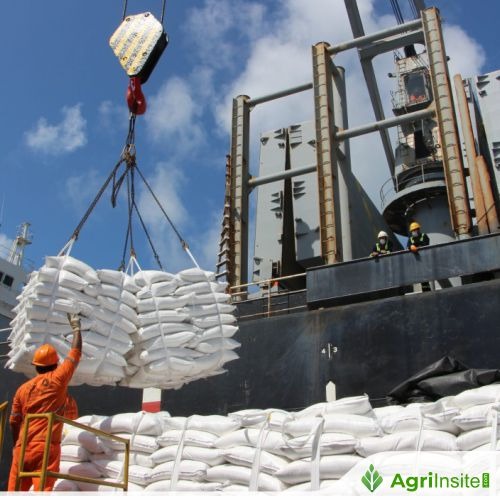
India could strengthen its global rice export position as competing suppliers face production pressures and freight costs surge. Despite production estimates falling to 146–147 million tonnes, India has substantial surplus stocks. Rising global demand, lower output and higher logistics costs may support prices and export opportunities.
India could strengthen its position in the global rice market as production pressures in major exporting countries coincide with firmer demand and sharply higher shipping costs. The changing supply dynamics could give Indian exporters an opportunity to expand their presence in overseas markets.
The opportunity comes despite a downward revision in India’s rice production estimate, with exporters maintaining that the country has sufficient stocks to meet domestic requirements and overseas demand. Indian Rice Exporters Federation national vice president Dev Garg made the assessment in an interview with ANI.
India produced around 151 million metric tonnes of rice last year and exported nearly 22 million metric tonnes, according to Garg. The volumes have kept India at the centre of the global rice trade, particularly as competing producers face increasing supply pressures.
Garg estimated that India has around 270 lakh metric tonnes of rice stocks above its buffer requirements. He said the surplus provides a substantial cushion for exports even after taking into account the latest reduction in domestic production estimates.
India’s production estimate has been revised down from around 156 million metric tonnes to nearly 146-147 million metric tonnes. Garg attributed the reduction to El Nino and other weather-related disruptions that have affected the crop outlook.
Despite the downward revision, he expects India’s surplus to remain above 40 million metric tonnes by the end of the year. Such a surplus would be nearly twice the country’s annual export volume and could provide exporters with considerable room to cater to international buyers.
Competitors Face Supply Stress
The supply situation in other major rice-producing countries could create additional opportunities for Indian exporters. Vietnam has started importing rice from India, while Thailand and Pakistan are also facing pressures in their domestic supply chains, Garg said.
The shift could increase India’s importance in markets that already depend on its rice supplies. Exporters could benefit further if competing origins remain constrained and international buyers look for alternative sources to secure supplies.
Global rice production is projected to decline by around 9 per cent while demand is expected to increase by 14 per cent, according to Garg. A widening gap between supply and consumption could keep the international market under pressure.
Shipping Costs Add Pressure
The export opportunity is emerging alongside a significant increase in logistics and production costs. Garg said marine fuel prices have risen from around USD 400-500 to nearly USD 1,300-1,400, sharply increasing the cost of transporting rice by sea.
Higher freight costs could raise the landed price of Indian rice in overseas markets, particularly for countries that depend heavily on imports. The increase also comes at a time when fuel and fertiliser costs are already putting pressure on agricultural supply chains.
Garg said wholesale rice prices globally have increased by around 15 per cent over the past four months. He expects prices to remain under pressure as lower production combines with higher input and transportation costs.
The disruption linked to the Iran war crisis has added another layer of uncertainty to global logistics, according to Garg. For import-dependent countries, higher freight and commodity costs could translate into increased food expenditure and foreign exchange outgo.
India Faces Balancing Act
The stronger export opportunity could support Indian farmers and exporters, but it also presents a challenge for policymakers. Any sustained increase in exports will need to be balanced against domestic availability, food prices and the maintenance of adequate buffer stocks.
More than 60 countries depend on Indian rice supplies, according to the Indian Rice Exporters Federation. This gives India a significant role in global food security, particularly when competing suppliers face production or supply-chain disruptions.
For now, India’s large stock position provides exporters with room to respond to stronger international demand. However, the sustainability of that advantage will depend on the next crop, weather conditions, logistics costs and the government’s ability to balance export growth with domestic requirements.
To Read more about Rice News continue reading Agriinsite.com
Source : Business World