Indonesia to turn palm oil waste into marine fuel

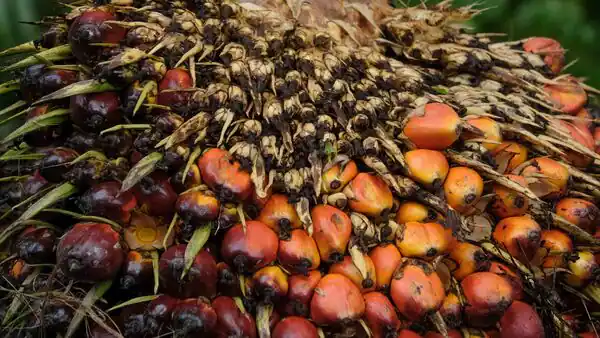
Indonesia’s Pertamina plans to produce biomethanol from palm oil mill waste, starting with a 50-tonne-per-year pilot plant in December 2026. Commercial production targeted around 2028 could reduce methanol imports, supply domestic markets and eventually support Singapore’s marine fuel sector.
Indonesia’s Pertamina plans to establish biomethanol production from palm oil industry waste, with the prospect of exporting the fuel to Singapore for use in shipping. The first physical export cargoes could be shipped after a commercial-scale plant comes online, currently targeted for around 2028.
Before scaling up production, Pertamina New & Renewable Energy and CRecTech plan to launch a 50-ton-per-year pilot facility in the Sei Mangkei Special Economic Zone in North Sumatra. The facility is scheduled to start operations in December 2026 and will use biogas derived from palm oil mill effluent (POME) as feedstock.
The project will use CRecTech’s catalyst technology, which reduces the conventional four-stage conversion process to two stages. According to the company, this could cut production costs by up to 50%. Following validation of the technology, Pertamina plans to move to commercial-scale production and potentially replicate the model at other locations. The potential is significant, as Indonesia has around 1,800 palm oil mills generating POME.
Initially, Indonesia itself is expected to be the main market for the biomethanol. The country consumes nearly 2 mln tons of methanol annually and imports about two-thirds of its requirements. Pertamina NRE has already signed a preliminary agreement with Pertachem, which will take output from the pilot facility and negotiate a framework for longer-term domestic supplies.
Once commercial-scale production begins, Pertamina International Marketing and Distribution sees Singapore as the first reference export market for biomethanol as a marine fuel. The company already operates there as a licensed bunker supplier but does not currently hold a dedicated methanol bunkering licence. Future production and export volumes have not yet been determined, with supply agreements expected only after the technology and production are validated.
To Read more about Ethanol Industry & Bio Energy News continue reading Agriinsite.com
Source : Ukr Agro Consult