Iraq inaugurates new seed processing lines to boost wheat production

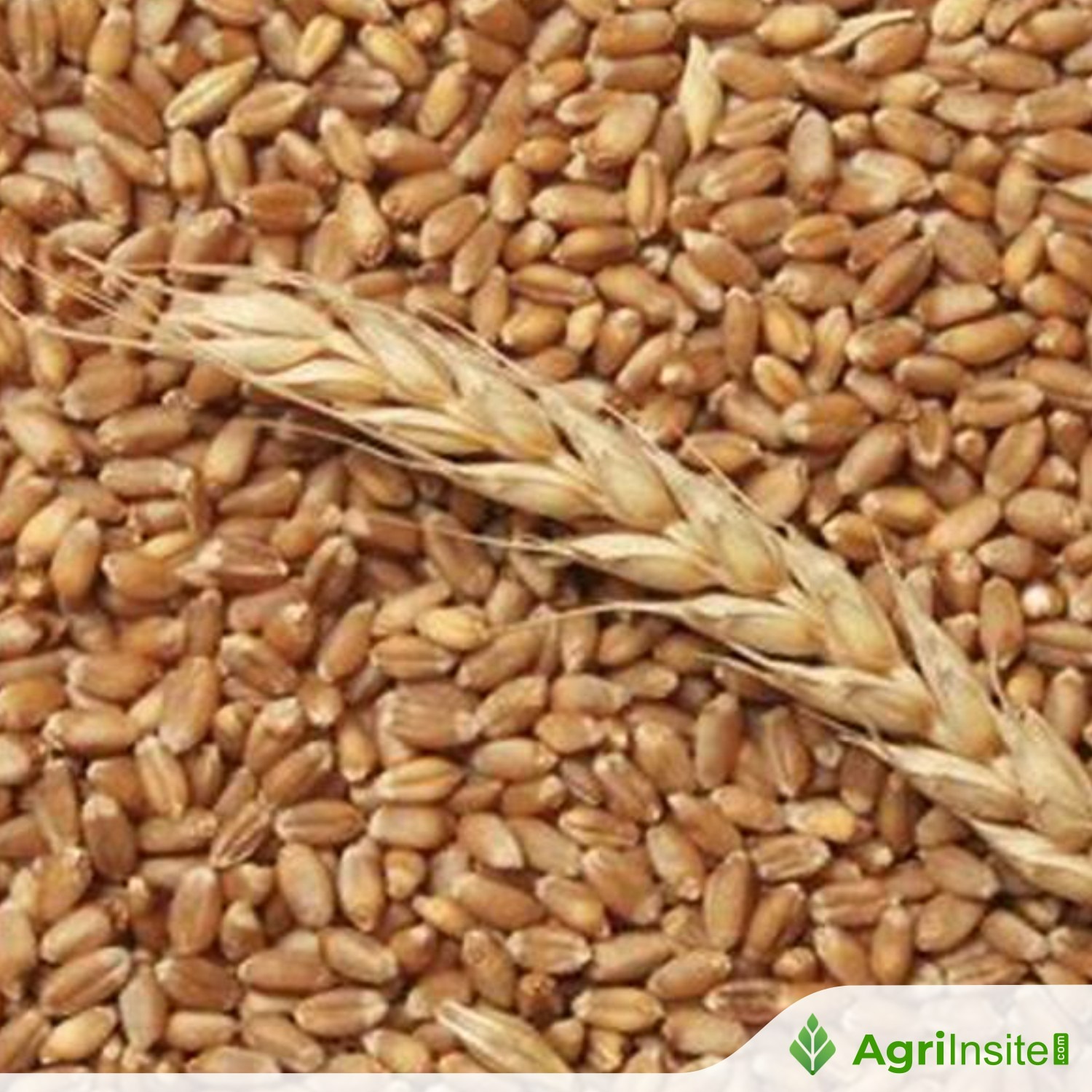
Iraq inaugurated two new seed-processing lines at the Ahlelah facility in Nineveh, raising capacity to 30 tonnes per hour. Eleven storage units were also added, strengthening certified seed availability, domestic grain infrastructure and food security while reducing import dependence.
IRAQ – Two new high-capacity seed purification and processing lines have been officially inaugurated at the Ahlelah seed facility in Nineveh province, in a major effort to rebuild domestic grain infrastructure and strengthen national food security.
The technological expansion raises the site’s total production output to 30 tonnes per hour, boosting the region’s capacity to deliver high-quality, pest-free grain seeds to local farmers.
The World Bank’s emergency loan project team executed the project in close coordination with Iraq’s Ministry of Agriculture.
Each newly installed processing line adds 10 tonnes per hour of operating capacity, using modern mechanical sorting and treatment technologies to remove impurities, select prime seeds, and apply protective coatings.
Alongside the processing equipment, the infrastructure initiative included constructing 11 new storage units on site, significantly increasing the wheat grain storage footprint operated by the state-owned Mesopotamia General Company for Seeds.
The investment aims to strengthen the seed supply chain in one of Iraq’s key agricultural regions.
The inauguration is part of a broader national strategy to revive agricultural production across Nineveh, historically known as Iraq’s breadbasket.
Minister of Agriculture Abdul-Rahim Jassim toured the upgraded Ahlelah complex, meeting with technical specialists and agricultural engineers to review operational readiness and discuss nationwide seed distribution plans ahead of the primary planting season.
Regional officials emphasized that expanding access to certified, high-yield seeds is essential to improve per-hectare crop production, optimize water use, and help domestic cereal farmers recover from years of conflict and severe drought cycles.
By modernizing primary seed cleaning and storage infrastructure, Iraq aims to lessen its reliance on imported commercial seeds, lower production costs for local farming families, and secure grain supply chains.
Government leaders noted that ongoing partnerships with international institutions like the World Bank will continue to prioritize critical agricultural infrastructure, ensuring that key producing provinces maintain stable supply channels from initial planting through harvest and distribution.
The new processing capacity could therefore improve the availability of treated, quality-assured wheat seed while reducing bottlenecks during planting seasons.
For farmers across Nineveh and surrounding agricultural areas, expanded seed-processing and storage infrastructure is expected to support a more reliable supply of planting material and contribute to Iraq’s broader food-security objectives.
To Read more about Wheat News continue reading Agriinsite.com
Source : Milling MEA