Japan: Govt plans rice buyback as falling prices raise farmer concerns

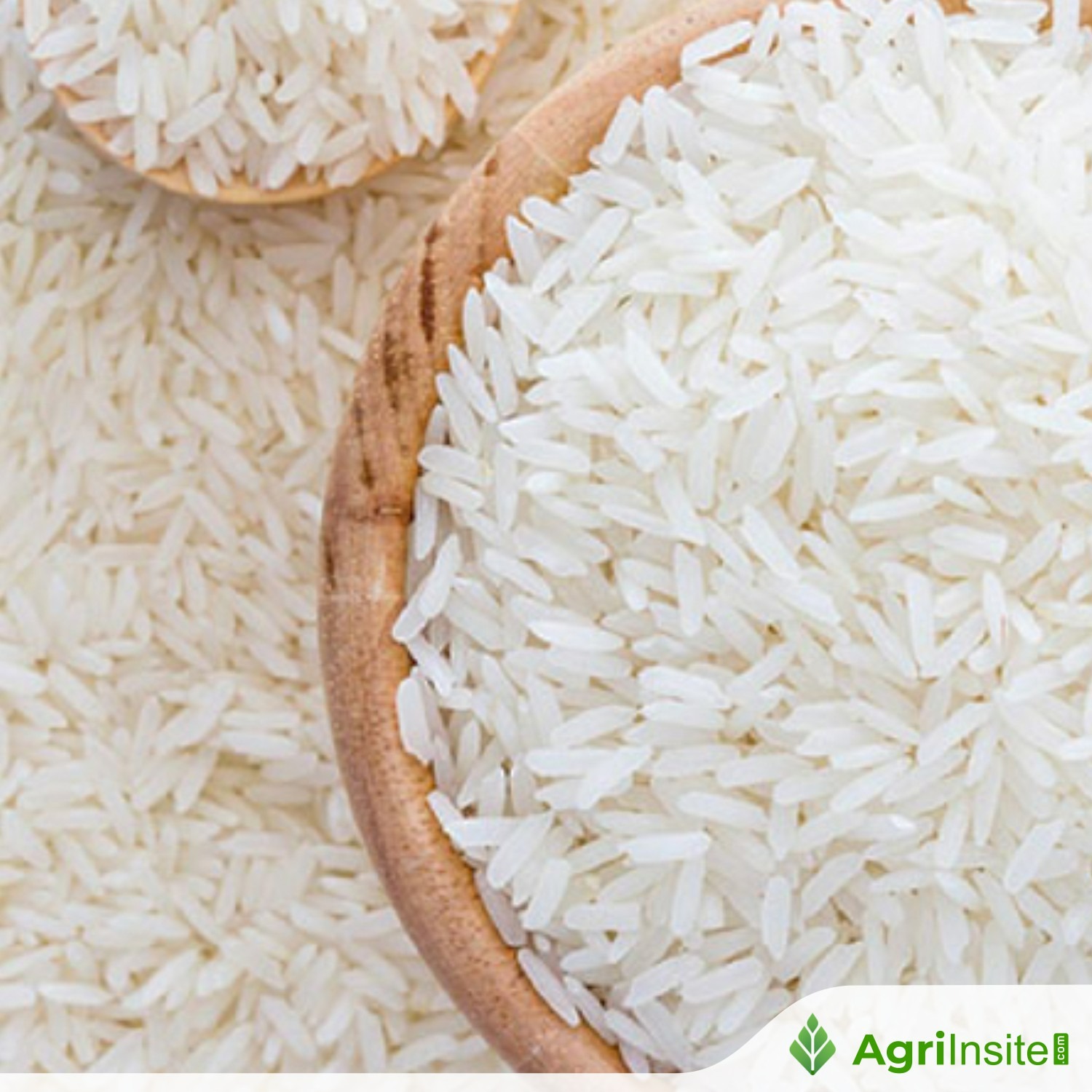
Japan plans to buy back up to 150,000 tonnes of rice released from emergency stocks, aiming to curb falling prices and support farmer incomes. The move seeks to balance affordable consumer prices, adequate emergency reserves and sustainable returns for rice producers amid changing market conditions.
Japans government is planning to buy back rice that was released from its emergency stockpile in 2025, as concerns grow that falling rice prices could put pressure on farmers incomes. The governments decision to release a substantial quantity of stockpiled rice into the market when consumer prices increased sharply. The release was aimed primarily at addressing supply concerns and making rice more accessible to consumers. However, the increase in available supply has created a different concern for producers. Farmers are now facing the possibility that rice prices could decline too sharply, affecting their revenues and the economic viability of rice production.
Stock release creates concern over price decline
Japans rice market has experienced significant price volatility, shifting from tight supplies and high consumer prices to concerns over falling producer prices after the government released rice from emergency reserves. The proposed buyback aims to replenish stocks and absorb part of the excess supply, potentially limiting further price declines and supporting farm incomes amid elevated production costs.
Balancing consumer prices and farmer incomes
Japan faces a difficult policy balance in managing its rice market. High rice prices create pressure on consumers and can increase food costs, while excessively low prices can weaken farmer incomes and potentially affect domestic production. The governments earlier decision to release approximately 590,000 t of emergency rice was aimed at increasing supply and easing pressure on consumers. The proposed purchase of up to 150,000 t, meanwhile, indicates a shift toward rebuilding reserves and managing the consequences of increased market supply. The buyback does not necessarily reverse the earlier stock release, but rather represents an attempt to manage market conditions while maintaining an emergency reserve for future supply disruptions.
Implications for Japans rice market
Government stock management is expected to remain a key factor in Japans rice market, with the timing and volume of purchases influencing supply-demand balance and prices. The planned buyback could help limit downward price pressure and support farmers, while policymakers will need to ensure that producer support does not trigger another sharp rise in retail rice prices. The move also highlights the need to maintain adequate emergency reserves while responding to changing market conditions.
Outlook
Japans rice market is expected to remain sensitive to government stockpile policies, supply availability and price movements. The planned purchase of up to 150,000 t in fiscal 2026 could help replenish emergency reserves and absorb part of the rice previously released into the market. The key challenge for policymakers will be to maintain a balance between affordable rice for consumers and remunerative prices for farmers. The direction of rice prices in the coming period will depend on how quickly the market absorbs existing supplies and how the government manages future stock releases and purchases.
To Read more about Rice News continue reading Agriinsite.com
Source : BIGMINT