Kazakhstan wheat in 2026/27: Less raw grain to be export, more processing from China

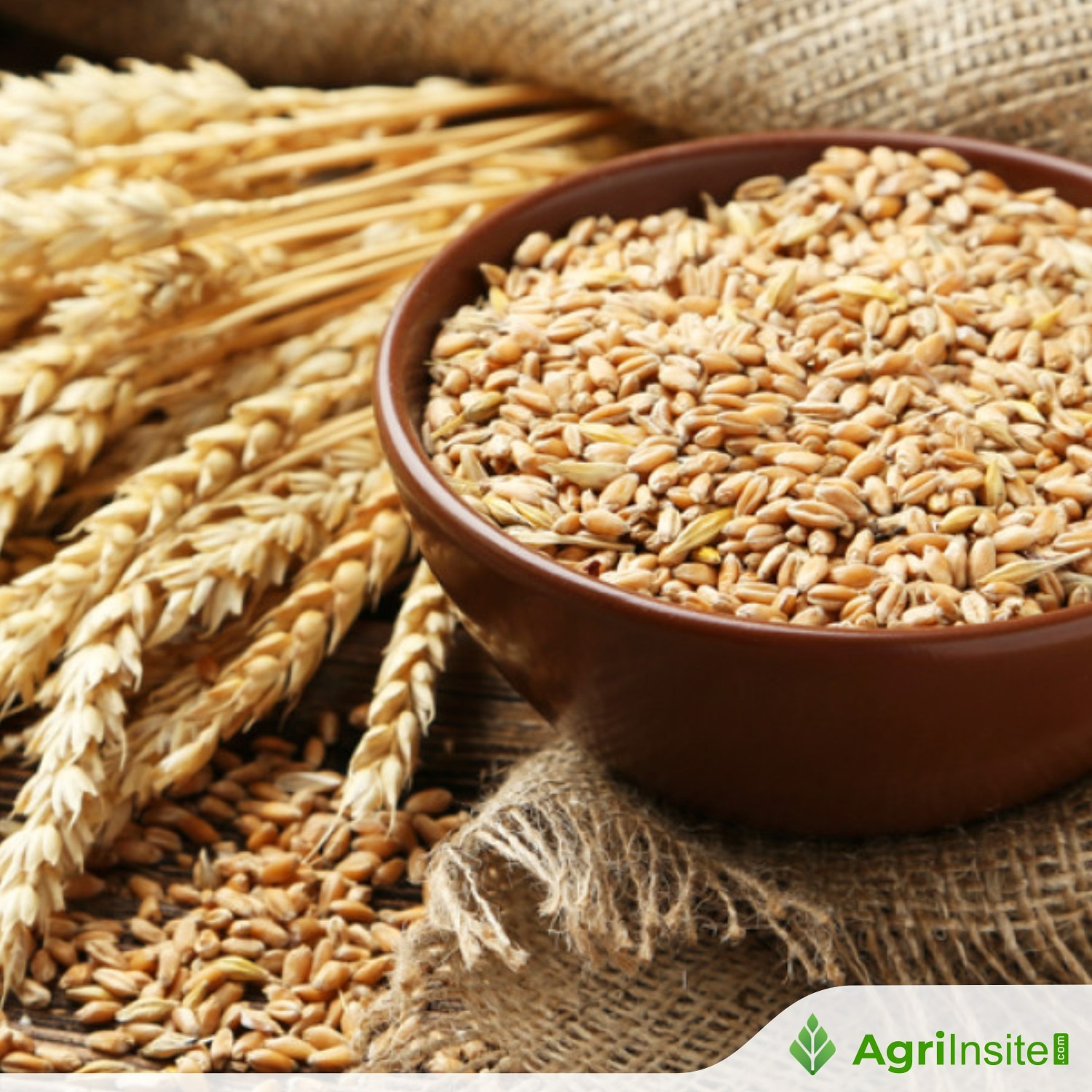
Kazakhstan is shifting from raw wheat exports toward grain processing in 2026/27, driven by logistics constraints and competition from Russia. While Central Asia remains its main market, growing investment from China is accelerating processed grain exports and value-added production.
Kazakhstan remains one of the world’s biggest wheat exporters, but the old wheat market model – produce and export raw wheat – is under questions. In the 2026/27 season, the reduction in wheat acreage will be offset by record-high oilseeds area, just as in the previous season.
Russia and Kazakhstan competition
Kazakhstan planned to expand wheat exports to the EU, especially Italy, after large 2025/26 crop. The Baltic route through Russian territory and ports remains the most practical corridor for shipments to Italy, Belgium and North Africa.
But Russia needs its own ports and rail capacity for its own grain exports. As a result, Kazakhstan faces growing transit constraints through Russian territory.
Central Asia as key export destination
Despite ambitions in Europe, Kazakhstan remains heavily dependent on Central Asian buyers. Uzbekistan, Tajikistan and Afghanistan will remain the core destinations for Kazakh wheat.
Iran is also strategically important, but this market is now much more difficult. Since 2022/23, Russia has largely pushed Kazakhstan out of the Iranian wheat market. Kazakhstan is trying to rebuild sales to Iran, but competition with Russian wheat remains intense. Sanctions, banking problems and payment risks will continue limiting trade.
China is Kazakhstan’s most important alternative outlet, especially for processed grain products. And this is in fact a new field of competition with Russia.
Because raw wheat exports are not so profitable due to logistics setbacks, Kazakhstan are increasingly moving into deeper grain processing, producing feed flour, feed mixtures, bran pellets.
In 2026/27, the competition will win not the cheapest supplier but a supplier with proper documentation, reliable traceability and stable product quality.
Kazakhstan advantage is the active development of bran pelletizing at border hubs. Chinese companies are key investors in several large projects. Their goal is simple: produce starch, gluten, amino acids and lysine in Kazakhstan for the Chinese market.
Kazakhstan is also developing projects with domestic and Turkish investors, but China will still absorb a large share of final products.
Kazakhstan intends to produce and keep margins inside the country. In 2026/27, Kazakhstan will harvest less wheat with lower wheat exports. This will likely be able to promote further investments in processing. Kazakhstan shift to processing is part of a wider and strong regional trend inspired by logistics setbacks.
To Read more about Wheat News continue reading Agriinsite.com
Source : Ukr Agro Consult