Madhya Pradesh: ₹1,160-crore ethanol rice scam alleged; every stakeholder profited, police fear what may emerge next

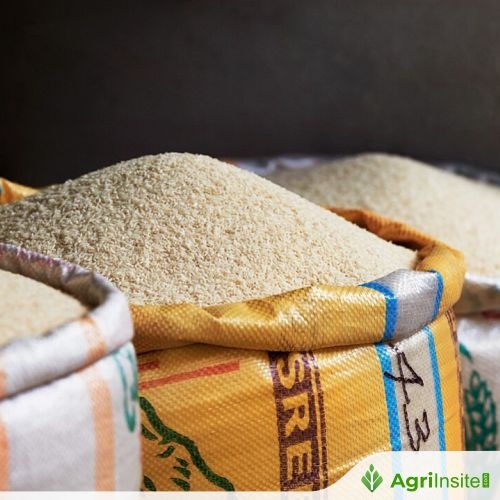
An investigation uncovered an alleged ₹250 crore scam in Madhya Pradesh, where subsidised fortified rice meant for ethanol production was reportedly diverted to rice millers. Four arrests have been made, 12 trucks seized, and authorities are probing an alleged nexus involving ethanol plants, millers and officials.
A major scam involving government rice meant for ethanol production has surfaced in Madhya Pradesh, even as ethanol-blended petrol is being promoted nationwide as an eco-friendly fuel.
An investigation by Dainik Bhaskar has found that a large portion of the rice allocated for ethanol manufacturing never reached the production process.
The investigation revealed that most of the 5 lakh metric tonnes (50 lakh quintals) of government rice was diverted back into government warehouses instead of being converted into ethanol. The rice involved is estimated to be worth around ₹1,160 crore.
The probe further found that the stock was not ordinary rice but fortified rice, enriched with essential vitamins and minerals and meant for children, pregnant women and adolescent girls to combat anaemia and malnutrition.
The findings have raised suspicion of a nexus involving ethanol plant operators, rice millers and government officials in the alleged scam.
Subsidised rice allocation meant for ethanol raises questions over pricing
To understand the alleged scam, it is important to examine how the government procures and prices rice supplied for ethanol production. The Centre argues that excess grain cannot be stored indefinitely as it risks deterioration, while warehouses must also be cleared to accommodate fresh crop arrivals.
The government also maintains that diverting surplus rice for ethanol production helps meet the country’s energy needs and reduces dependence on fuel imports, saving valuable foreign exchange.
Under this policy, rice that costs the government around ₹3,900-4,000 per quintal to procure, store and process is supplied to ethanol plants at a subsidised rate of ₹2,320 per quintal.
Investigation begins after rice consignment meant for ethanol goes missing
The alleged diversion came to light after three truckloads of government rice dispatched from the Nawegaon warehouse in Balaghat to the AVJ Ethanol Plant in Borgaon, Chhindwara, on June 2 failed to reach their intended destination. Official records showed the consignment was meant to be used for ethanol production.
However, on June 3, one of the trucks was traced to Sancheti Rice Mill in Balaghat instead of the ethanol plant, while the remaining two trucks also never reached the facility in Chhindwara. Following the discovery, the police constituted a Special Investigation Team (SIT) to probe the suspected diversion.
These facts have emerged in the investigation so far
- More than 40 people including rice millers, ethanol plant operators, and transporters have been interrogated.
- So far 4 accused have been arrested. The search for other suspects is ongoing.
- During the investigation, 12 trucks have been seized so far.
- The scope of investigation has expanded from Chhindwara, Balaghat and Seoni to other ethanol plants and rice mills doing custom milling in the state.
- Ethanol Plant Operators: The investigation revealed that ethanol plant operators obtain fortified rice from the government at a subsidized rate of ₹2,320 per quintal.In the open market, ‘broken rice’ for ethanol production is available at approximately ₹2,100 per quintal. Therefore, it is alleged that instead of producing ethanol from fortified rice, it is sold to rice millers at around ₹2,800 per quintal.
- Rice Millers: According to the investigation, rice millers purchase this rice from ethanol plants and pack it in new gunny bags. It is allegedly deposited in government warehouses as custom milled rice. This saves them the cost of processing paddy into rice.It is alleged that they also receive milling charges from the government and earn extra profit by selling the paddy allocated for milling in the open market.
- FCI (Food Corporation of India) Officers: According to rules, old rice already available in warehouses (FIFO) should be allocated for ethanol. The investigation alleges that some officers did not follow the rules and allocated new fortified rice.It is also alleged that confidential information about rice allocation was passed on to concerned parties in advance through brokers.
- District Administration: The investigation has also raised questions about the monitoring system. It is alleged that regular checks were not conducted on paddy given for milling, electricity bills of mills, and labor records. Due to this, alleged irregularities could not be detected in time.
21 ethanol plants
FCI says accountability ends once rice is dispatched
Food Corporation of India (FCI) officials said nearly 50 lakh quintals of rice were allocated to ethanol plants in Madhya Pradesh over the past year.
If the entire quantity was diverted and sold in the open market instead of being used for ethanol production, the estimated fraud could be around ₹250 crore.
An FCI official, speaking on the condition of anonymity said, “The corporation’s responsibility ends once the rice is released from its warehouses. It is not accountable for the grain after dispatch”.
Ethanol industry body urges action only against guilty operators
An office-bearer of the Ethanol Plant Association, speaking on the condition of anonymity, acknowledged that in some cases government rice meant for ethanol production had been diverted to rice millers instead of reaching ethanol plants.
However, the association maintained that any wrongdoing should be investigated on a case-by-case basis. It said, “Strict action should be taken against the operators found guilty.” It warned against holding the entire ethanol industry responsible for the alleged irregularities.
Probe under scrutiny as police remain tight-lipped over alleged nexus
Despite investigating the case for over a month, the police have yet to make any detailed public statement. Sources say the probe has uncovered the names of several influential individuals, prompting investigators to maintain silence on the matter.
Experts allege that the investigation is being slowed by a wider nexus involving multiple stakeholders. They also claim leaders from both the BJP and Congress have links to the alleged network, which they say explains the lack of strong political response to the issue so far.
To Read more about Rice News continue reading Agriinsite.com
Source : Bhaskar English