Middle Eastern countries increase grain production amid geopolitical risks


Middle Eastern nations are boosting domestic grain production to reduce import dependence amid geopolitical and climate risks. While countries like Saudi Arabia target higher output, constraints like water scarcity limit self-sufficiency. Despite tech adoption, the region will remain import-dependent, with food security tied to global trade stability.
Middle Eastern countries are stepping up efforts to expand domestic grain production in an attempt to reduce their heavy reliance on imports amid growing geopolitical and climate-related risks.
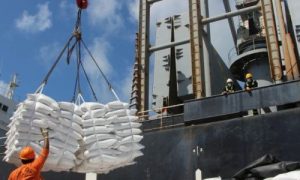
Historically, the region has relied on imports to meet domestic demand, but the COVID-19 pandemic and disruptions in global supply chains exposed the vulnerability of this model. Additional pressure came from price volatility following the war between Russia and Ukraine, as well as rising tensions around the Strait of Hormuz.
A significant share of food supplies, including grain, to Gulf countries passes through the Strait of Hormuz. Its potential blockage could threaten supplies to the UAE, Saudi Arabia, Bahrain, and Qatar, although short-term shortages are considered unlikely due to diversified import sources and strategic reserves.
In response, countries in the region are implementing programs to develop domestic agricultural production. Saudi Arabia, for example, aims to increase local food production by 30% by 2030, though overall self-sufficiency is expected to remain limited.
Iran is also seeking to boost production but faces serious constraints, including drought and energy supply issues affecting irrigation systems. In Qatar and Kuwait, grain production remains minimal due to limited arable land.
Experts emphasize that further growth will only be possible through technological transformation of the agricultural sector, including precision farming, drought-resistant varieties, digital solutions, and upgraded irrigation systems in response to climate change.
Despite some successful pilot projects, their scale remains insufficient to meet overall demand. In the medium term, Middle Eastern countries are expected to remain highly dependent on grain imports, with geopolitical risks and unstable trade routes continuing to shape regional food security.
To Read more about Wheat News continue reading Agriinsite.com
Source : Ukr Agro Consult