MSP Push for Rabi 2026: Govt Approves ₹11,698 Crore Procurement of Pulses & Oilseeds Across Key States

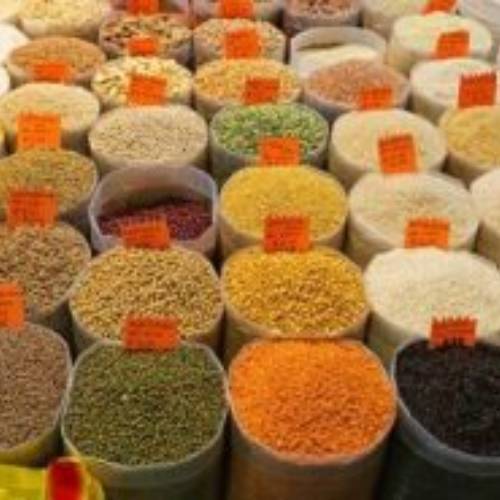
The government approved procurement of over 18 lakh metric tonnes of pulses and oilseeds worth ₹11,698 crore under MSP for Rabi 2025-26. Uttar Pradesh leads, followed by Haryana and Karnataka, aiming to stabilise prices, support farmers, and ensure steady supply for food and hospitality sectors.
In a significant move to stabilise crop prices and support farmers, Union Agriculture Minister Shivraj Singh Chouhan has approved procurement of over 18 lakh metric tonnes of pulses and oilseeds at Minimum Support Price (MSP) for the Rabi 2025–26 season.
The procurement, valued at more than ₹11,698 crore, will be carried out under the Price Support Scheme (PSS) across Haryana, Uttar Pradesh, and Karnataka—three key agricultural states contributing to India’s pulses and oilseed supply.
Haryana: Focus on Mustard and Gram
In Haryana, the government has approved procurement of 3.73 lakh metric tonnes of gram and mustard, with a total MSP value exceeding ₹2,312 crore. Mustard dominates the basket, reflecting its importance in edible oil production—a critical input for commercial kitchens and food processing.
Uttar Pradesh: Bulk Procurement Drives the Numbers
Uttar Pradesh accounts for the largest share, with approvals worth approximately ₹9,341 crore.
- Gram: 2.24 lakh metric tonnes
- Masoor (lentil): 6.77 lakh metric tonnes (100% demand approved)
- Mustard: 5.30 lakh metric tonnes
This scale of procurement is expected to significantly influence availability and pricing of lentils and edible oils—key ingredients across restaurants, hotels, and catering businesses.
Karnataka: Safflower Gains Attention
In Karnataka, procurement of 6,923 metric tonnes of kusum (safflower) has been approved, valued at ₹45.27 crore. Though smaller in scale, safflower plays a niche role in premium edible oils and specialty cuisines.
What This Means for Hospitality & F&B Sector
For the hospitality, food service, and tourism ecosystem, MSP-backed procurement has direct and indirect implications:
- Price Stability: Bulk procurement reduces distress selling, helping stabilise market prices of pulses and oils
- Menu Planning: Better availability of gram and masoor supports consistent supply for staples like dals, snacks, and plant-based dishes
- Cost Management: Mustard and safflower trends may influence edible oil pricing, a major operational cost for kitchens
- Supply Chain Predictability: Government-backed procurement ensures smoother sourcing cycles for large-scale buyers
Industry Outlook
With the government reinforcing MSP operations, the focus on pulses and oilseeds aligns with rising demand for protein-rich diets and edible oils in India’s expanding food service market. Backed by policy support under the leadership of Narendra Modi, the move is expected to strengthen both farmer incomes and downstream food supply chains.
For hospitality operators, this signals a relatively stable procurement environment in the coming months, with potential opportunities to optimise sourcing strategies and menu pricing.
To Read more about Edible Oil News continue reading Agriinsite.com
Source : Hospibuz