Nepal moves to set ethanol standards ahead of petrol blending rollout

Nepal has released a draft ethanol standard requiring 99.5% purity for petrol blending, following approval of its E10 policy. The framework promotes non-food feedstocks, mandates strict quality, storage and safety standards, and supports domestic ethanol production to reduce fuel imports.
Nepal has moved closer to introducing ethanol-blended petrol, with the Nepal Bureau of Standards & Metrology releasing a draft standard for ethanol to be mixed with motor gasoline.
The proposed standard divides ethanol production sources and technologies into three categories and sets strict requirements for storage, labelling and quality control. Since ethanol is highly flammable, the draft requires it to be stored in secure, dry and leak-proof drums or tanks.
Each container must include details such as the producer’s information, batch number, quantity and type of production technology, according to the draft.
The ethanol must be completely clean, transparent and free of suspended solid particles. The draft also prohibits the use of harmful substances such as methanol, turpentine, ketones and tar as denaturants, which are added to make ethanol that could damage vehicle engines, rubber pipes and fuel systems.
Ethanol produced for blending with petrol must have a minimum purity level of 99.5 percent.
The bureau has invited comments and suggestions from consumers and stakeholders to make the standard more practical, scientific and effective before final approval.
“We have already made the draft public for suggestions and feedback. We will finalise it after incorporating relevant recommendations,” said Prabhat Kumar Singh, deputy director general and spokesperson of the department. “The standard will come into effect only after approval from a meeting chaired by the industry minister.”
The move follows a Cabinet decision on January 5, 2026, to approve the “Order on the Use of Ethanol Blended Petrol, 2026”. The order came into force after being published in the Nepal Gazette on March 12, 2026.
The government aims to encourage ethanol production from locally available raw materials, create jobs and reduce dependence on imported petrol by blending ethanol into fuel.
Under the order, Nepal Oil Corporation (NOC) will have to blend up to 10 percent ethanol into petrol depending on availability. The government can revise the blending ratio through a Cabinet decision.
The order also bars the use of edible grains as raw materials for ethanol production, citing possible risks to food security.
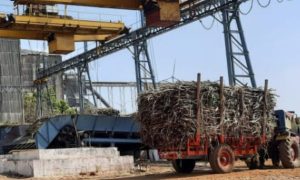
Approved raw materials include molasses from sugar industries, Napier grass, agricultural and forest waste biomass, rice straw, corn stalks, wheat husks, spoiled grains unsuitable for food use, cassava, yeast and other chemicals required for fermentation.
Industries must produce ethanol using environmentally friendly methods and sell the final product only to Nepal Oil Corporation.
The bureau will determine ethanol quality requirements, and NOC will be allowed to purchase only ethanol that meets those standards.
A government recommendation committee will determine ethanol prices before the beginning of each fiscal year. Until a new price is fixed, the previous year’s price will remain in effect. The revised price will apply from mid-July each year.
NOC will sign purchase agreements with ethanol producers, who will be responsible for supplying the required quantity at designated locations and times. Companies that fail to meet contractual obligations could face compensation claims under existing laws.
The order places responsibility for ethanol transportation on producers and requires strict safety measures because ethanol is highly flammable and absorbs water easily. The ministry will prepare separate standards for safe storage, blending and transportation.
The committee responsible for recommending ethanol prices and incentives will be led by the secretary of the Ministry of Industry, Commerce and Supplies. Representatives from the finance and agriculture ministries, the Nepal Bureau of Standards & Metrology, the Nepal Academy of Science and Technology and the Nepal Oil Corporation will serve as members.
To Read more about Ethanol Industry & Bio Energy News continue reading Agriinsite.com
Source : The Kathmandu Post