Pakistan targets 70% edible oil self-sufficiency by 2035 under expansion plan

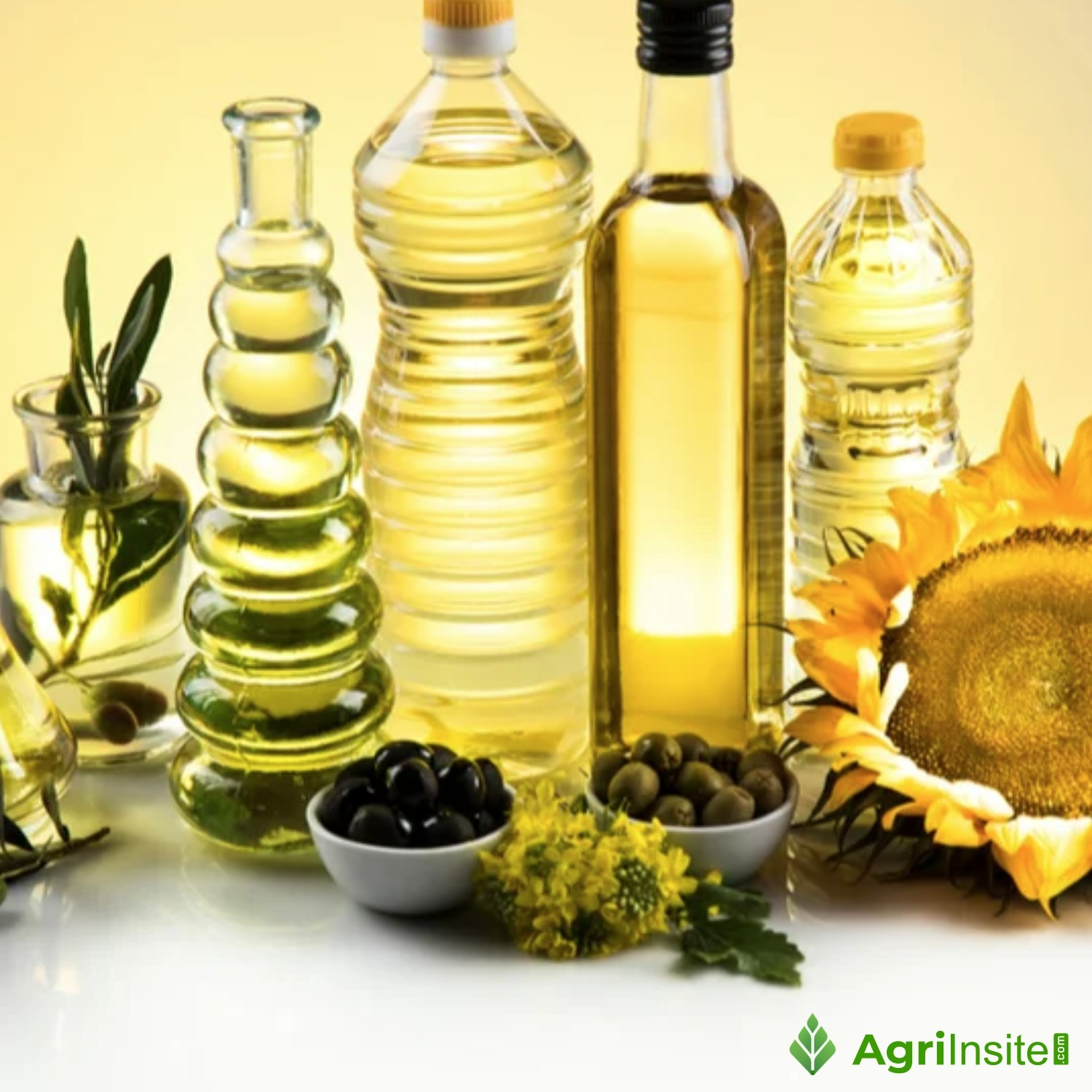
Pakistan aims to achieve 70% edible oil self-sufficiency by 2035 through expanded oilseed and olive cultivation. The strategy targets annual production above 4.5 million tonnes, potentially reducing import costs by nearly $7 billion while strengthening domestic agriculture and processing.
Pakistan has unveiled an ambitious roadmap to cut its reliance on imported edible oil, targeting 70% self-sufficiency by 2035 through a large-scale expansion of local oilseed production and olive cultivation.
The strategy aims to increase domestic edible oil production to more than 4.578 million tonnes annually, with the potential to reduce the country’s import bill by nearly $7 billion each year.
The initiative forms part of a broader Strategic Development Plan prepared by the Pakistan Oilseed Department (POD) under the Ministry of National Food Security and Research, according to the ministry’s Year Book 2024-25.
Pakistan currently remains heavily reliant on imported edible oil. During FY2024-25, the country imported 4.169 million tonnes of edible oil, including 0.542 million tonnes extracted from imported oilseeds, valued at Rs1,407 billion or $4.971 billion.
In comparison, domestic edible oil production stood at 0.474 million tonnes, taking total edible oil availability during the fiscal year to 4.643 million tonnes.
To reduce its reliance on imports, the government is implementing two key initiatives: the “National Oilseed Enhancement Programme” and “Promotion of Olive Cultivation on Commercial Scale in Pakistan Phase-II.”
The olive sector has emerged as a central component of the strategy, with plantation drives and modern cultivation practices gaining momentum across multiple regions of the country.
During FY2024-25, around 622,000 certified olive nursery plants comprising local and international varieties were procured and distributed nationwide.
Balochistan accounted for the largest share of demand, receiving 478,026 plants, representing approximately 76.8% of the total distributed plants. The remaining plants were supplied to Khyber Pakhtunkhwa, Punjab, Sindh, Azad Jammu and Kashmir, Gilgit-Baltistan and Islamabad.
Overall, 4,607 acres of land were brought under olive cultivation on both public and private lands during the year, reflecting growing interest among farmers in olive farming as a high-value agricultural activity.
The report also highlighted the installation of drip irrigation systems across 1,000 acres involving 46 farmer sites during FY2024-25 as part of broader efforts to encourage water-efficient agriculture and improve productivity in cultivable wastelands.
To strengthen technical capacity in the sector, authorities conducted 45 training programmes covering olive cultivation, orchard and nursery management, value addition and oil processing.
A total of 2,684 participants, including youth and women associated with the olive value chain, attended the training sessions.
Pakistan’s emerging olive industry also received international recognition during the year when “LO,” a Pakistani olive oil brand from Balochistan’s Loralai division, won a silver award at the prestigious New York International Olive Oil Competition, widely regarded as one of the world’s leading olive oil quality contests.
The report said the government is also in the final stages of approving a comprehensive olive policy proposing the establishment of a Pakistan Olive Oil Council to regulate quality standards, certification, branding, labelling and linkages among growers, processors and exporters.
In another key development, Pakistan hosted the 4th International Olive Conference in June 2025, bringing together experts from Italy, Greece, Portugal and Pakistan to discuss innovation, sustainability, export opportunities and future prospects for the sector.
The report further highlighted continued international cooperation in the sector. Following the completion of an earlier €1.5 million olive project funded by the Government of Italy, a Phase-II programme worth €3 million has been approved for implementation from 2024 to 2027.
In addition, a €20 million TEVET Umbrella Project focused on technical training and capacity-building in olives and fruit crops has also been approved and is expected to begin after completion of the required formalities.
To Read more about Edible Oil News continue reading Agriinsite.com
Source : INP