Pakistan’s wheat reforms lift output to over 29m tons in FY26

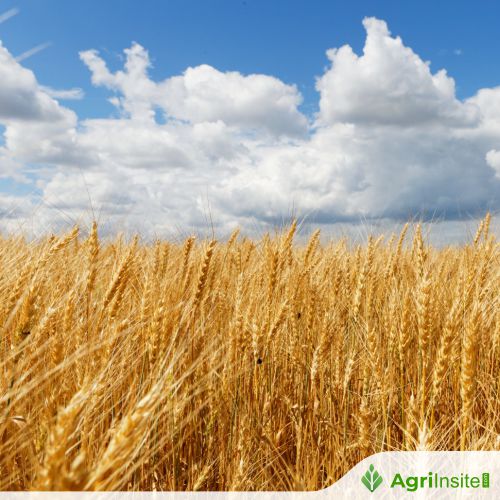
Pakistan’s wheat production increased to 29.61 million metric tonnes in 2025–26, supported by sector deregulation, expanded cultivation, higher certified seed use and improved fertiliser availability. The government is now preparing a National Wheat Policy 2026–30 to strengthen a market-oriented, competitive and sustainable wheat sector.
Pakistan’s wheat production rose to 29.61 million metric tons in 2025-26 as government reforms over the past two years boosted cultivation, improved access to quality inputs and strengthened farmer confidence.
According to the Ministry of National Food Security and Research’s document available with Wealth Pakistan, wheat cultivation area expanded from 22.52 million acres in Rabi 2024-25 to 23.19 million acres in Rabi 2025-26, aiming to narrow the gap between actual and potential yields.
A key reform was the Interim National Wheat Policy 2025-26, which deregulated the wheat sector by ending federal procurement and allowing private sector-led procurement, storage, movement and trade. The document said the policy reduced the fiscal burden, improved price transparency, ensured free movement of wheat across the country and promoted a more competitive wheat value chain.
To oversee implementation, the government constituted a National Wheat Oversight Committee headed by the Federal Minister for National Food Security and Research, with provincial and regional food and agriculture secretaries as members. The committee has held 13 meetings to monitor implementation of the policy, including procurement of federal and provincial strategic wheat reserves, which will now be procured through the private sector.
The document said the timely announcement of the policy before the Rabi season encouraged farmers and generated positive market signals. Wheat prices during Rabi 2025-26 remained between Rs3,500 and Rs3,900 per 40 kilogrammes, providing growers with better returns than in the previous two years.
To sustain the reform momentum, the ministry has prepared the initial draft of the National Wheat Policy (2026-30) and shared it with provincial and regional governments for feedback. The proposed policy seeks to build a competitive, transparent and market-oriented wheat sector focused on food security, farmer welfare, efficient value chains, strategic reserve management, private sector participation and sustainable growth.
The government also approved the National Seed Policy to strengthen the seed system by improving the availability of high-quality seeds and planting material. The document said the policy promotes variety development, quality assurance, biotechnology, seed trade facilitation and wider use of climate-smart and high-yielding varieties, while encouraging private investment.
Meanwhile, to translate research into higher field productivity, the Pakistan Agricultural Research Council launched wheat enhancement programmes focused on developing climate-resilient, high-yielding varieties, promoting better agronomic practices and strengthening farmer outreach.
The document said the use of certified wheat seed increased by about 37% during Rabi 2025-26. The federal government also ensured uninterrupted inter-provincial movement of certified seed, particularly from Punjab to other provinces, while a dedicated committee monitored seed movement to ensure timely availability nationwide.
Fertiliser availability also improved, with urea offtake rising by around 27% in Punjab. The federal government maintained uninterrupted gas supplies to two SNGPL-based urea plants to support domestic production, while the government of Sindh provided an estimated Rs55 billion fertiliser subsidy, supplying one bag of DAP and two bags of urea per acre. The document said the support reduced production costs, encouraged wheat sowing and helped the cultivated area exceed the provincial target for the current Rabi season.
The government of Punjab also expanded farm mechanisation by providing tractors and modern farm equipment on interest-free or low-markup financing. According to the document, the initiative has improved land preparation and crop management and is expected to further increase wheat yields.
To Read more about Wheat News continue reading Agriinsite.com
Source : INP