Philippine : DA plans to tie rice imports to industry investments

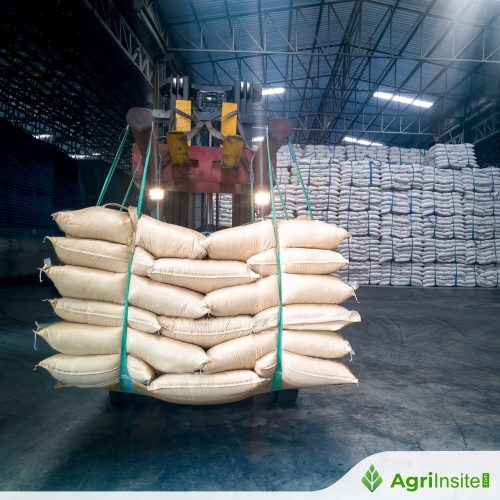
The Philippines is considering allowing rice imports only by traders investing in rice mills and processing facilities under the proposed RICE Act to protect local farmers. The move follows record rice imports of 2.75 million tonnes in January–June, while the government also evaluates higher import tariffs and safeguard measures.
The Department of Agriculture (DA) is considering linking the volume of foreign rice that traders can bring into the country to their investments in the rice sector, as it pursues another restriction to limit the impact of rice imports.
Agriculture Secretary Francisco Tiu Laurel said the DA is planning to allow only importers that have invested in rice mills and processing facilities to import rice.
The DA chief said their participation in the rice sector must not be limited to infrastructure development, as traders must also have the capacity to process locally grown palay, or unmilled rice, in their facilities.
Tiu Laurel estimated that a majority—pegged at around 80 percent—of rice importers in the country are engaged solely in importing and have yet to build rice processing facilities.
“If legally feasible, those who will import rice should have a mill, drying system, or a complete rice processing system,” he said on the sidelines of the Economic Journalists Association of the Philippines (EJAP) Food Security Forum 2026.
The DA intends to introduce the new policy under the proposed Rice Industry and Consumer Empowerment (RICE) Act, which remains pending in Congress.
Tiu Laurel said the plan is to incorporate the restriction into the measure before issuing the corresponding implementing rules and regulations (IRR) by 2028, if all goes as planned.
Linking rice import allocations to investments in the rice sector is seen as a way to ensure that importers take a more measured approach when bringing foreign rice into the country, especially since excessive imports could negatively affect their own investments.
“If we give the right to import, or the allocation to import, to the ones who have invested in the industry and continuously buys palay from our farmers, they won’t just import cheap rice to kill their own investment,” Tiu Laurel said.
Rice traders and importers source supplies abroad to help bridge the gap between the country’s strong consumption and insufficient domestic production.
This has become more apparent this year, as the looming threat of El Niño and the impact of the Middle East crisis continue to put pressure on rice output.
The latest Bureau of Plant Industry (BPI) data showed that rice imports reached a record 2.75 million metric tons (MT) from January to June, up 20 percent from 2.29 million MT in the same period last year.
To protect farmers from the influx of imported rice, Tiu Laurel earlier asked rice traders to refrain from importing five-percent broken rice and instead bring in higher-grade varieties.
Currently, the DA is awaiting the findings of the Tariff Commission’s (TC) investigation into whether there is a need to impose a definitive safeguard measure on imported rice.
The TC will recommend a specific safeguard duty to the DA if it determines that such a measure is warranted.
Based on the DA’s report that prompted the TC’s ongoing probe, the agency is open to raising tariffs on certain rice imports by at least 13 percentage points (ppts) from the current 15-percent tariff rate.
To Read more about Rice News continue reading Agriinsite.com
Source : Manila Bulletin