Philippine : PhilRice urges farmers to prepare for possible Super El Niño impacts

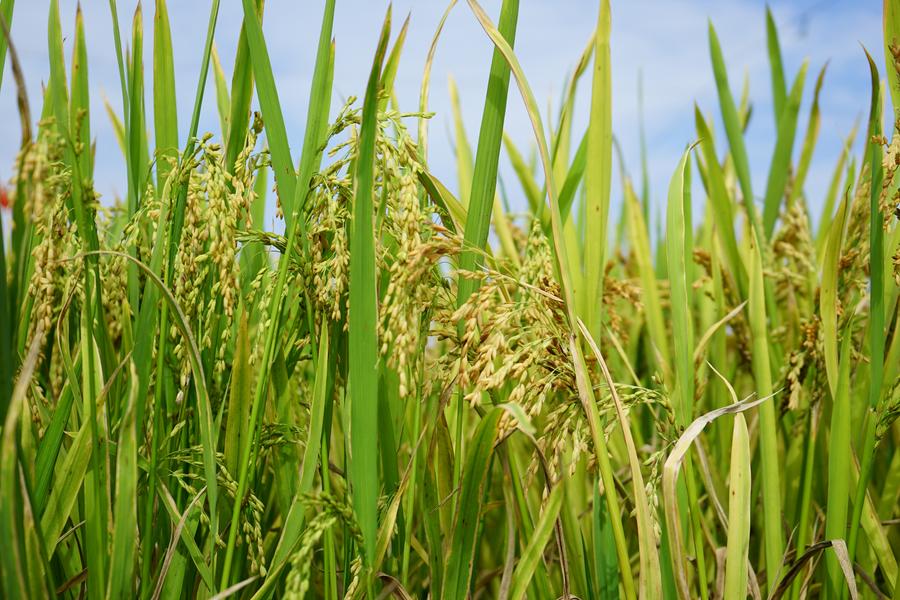
PhilRice urged Filipino farmers to prepare for a possible Super El Niño by adopting climate-smart practices, including drought-tolerant rice varieties, water-saving technologies and adjusted cropping calendars. It also promoted Climate Smart Maps and crop insurance to reduce production losses and strengthen food security.
The Philippine Rice Research Institute (PhilRice) urged farmers to prepare early for the possible effects of a Super El Niño by adopting climate-resilient farming practices and using available climate information to help minimize losses in rice production.
This initiative supports the directive of President Ferdinand R. Marcos Jr. to strengthen the country’s agriculture sector by helping farmers prepare for the effects of climate change, improve rice production, and contribute to food security.
Leylani Juliano, Chief Science Research Specialist and Project Leader of the PhilRice Climate Smart Map Project, said that a Super El Niño is a very strong El Niño event based on changes in sea surface temperatures in the Pacific Ocean.
She said farmers should watch for signs of a Super El Niño, including dry soil, low water levels in rivers and dams, increased pest infestation, and poor rice growth caused by extreme heat stress.
“Water shortage has a significant impact on rice production because it reduces the water supply needed for rice plants to grow properly,” Juliano said.
She added that prolonged high temperatures may cause rice plants to wilt, become stunted, and produce empty or poorly filled grains, prompting some farmers to shift to crops that require less water.
Juliano said the impacts of a Super El Niño may extend beyond rice production, affecting food supply, commodity prices, farmers’ livelihoods, and employment opportunities in farming communities.
She also clarified that El Niño does not mean rainfall will completely stop, as localized thunderstorms and strong typhoons may still occur due to changing weather patterns.
To help farmers prepare, PhilRice recommends planting early-maturing and drought-tolerant rice varieties, adjusting cropping calendars, diversifying crops in water-scarce areas, conserving water through technologies such as Alternative Wetting and Drying, storing rainwater, and ensuring irrigation facilities are ready before the dry season.
Juliano also highlighted the PhilRice Climate Smart Map Project, which identifies rice-growing areas vulnerable to drought using nearly nine years of PRISM climate data, including the impacts of the 2016, 2019, and 2024 El Niño events, along with irrigation data from the National Irrigation Administration.
The Climate Smart Maps and crop suitability maps developed through the project serve as guides for farmers and local government units in adjusting cropping schedules, identifying suitable alternative crops, and implementing climate-resilient agricultural planning.
Farmers are also encouraged to enroll with the Philippine Crop Insurance Corporation through their local government units or Municipal Agriculture Offices to receive assistance in case of crop losses due to extreme weather conditions.
To Read more about Rice News continue reading Agriinsite.com
Source : Philippine Information Agency