Philippines : Rice imports may hit 5M tons amid drought, monsoon risks – DA

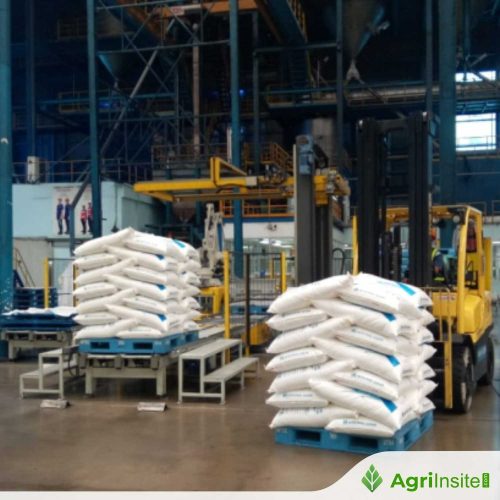
The Philippines may import up to 5 million metric tons of rice to secure 2027 stocks amid storms, monsoon rains and El Niño risks. About 4 million tons have already arrived. The government targets over 60 days’ buffer, while boosting local production through irrigation, mechanization and resilient seeds.
MANILA, Philippines – The Philippines may need to import as much as five million metric tons of rice to secure stocks as storms, monsoon rains, and a developing El Niño drought threaten the harvest, Agriculture Secretary Francisco Tiu Laurel Jr. said on Tuesday.
At a congressional briefing on the 2027 budget, Tiu Laurel said the government is looking to shore up rice stocks to withstand severe weather, with imports eyed to cover next year’s first-quarter consumption.
“It’s better that we are prepared with enough supply rather than fall short,” he told lawmakers in Filipino.
About four million metric tons of rice have been imported so far, and shipments would likely taper during the wet harvest season before ramping up again afterward, Tiu Laurel said. The country’s rice production target this year was pegged at 19 million metric tons, he added.
“Towards the end of this year, after our harvest season, we have to carry out additional importation… so that we are ready for the first quarter of next year,” he said.
“We are already front-loading what we need for the first quarter of 2027. And we need to maintain more than a 60-day buffer because the climate is different now,” he added.
The Philippines is the world’s top rice buyer, and monsoon rains alongside a looming record El Niño could trigger a drought that could squeeze supplies of the staple grain and drive up food prices.
Last year, the country imported 3.39 million metric tons.
‘Precautionary’
Tiu Laurel said the record importation is merely a preemptive move to secure supplies after being asked what his agency is doing to boost domestic output.
“What we are doing this year is all precautionary,” he said.
He said the government’s thrust remains prioritizing local production and boosting yields, noting that the average output per hectare of farmland “is increasing.”
“Our average yield per hectare is rising. It’s just that we’re really being hit by disasters like typhoons, flooding, and now El Niño,” Tiu Laurel said.
The Department of Agriculture is continuing its mechanization efforts to make harvesting more efficient, including putting up 380 drying equipment nationwide for unhusked rice and corn, he said.
Expanding irrigation coverage is also a priority for the government, alongside research on inbred and hybrid seeds to develop resilient rice varieties, he added.
“We also have a new policy to push: if you want to import, you’ll be required to invest in the local industry, in its infrastructure, and you’ll need to buy palay from our farmers in order to secure an import allocation,” Tiu Laurel said. /mcm
To Read more about Rice News continue reading Agriinsite.com
Source : Inquirer.net