Pakistan : Provinces demand over 2 million tonnes of wheat to arrest soaring flour prices

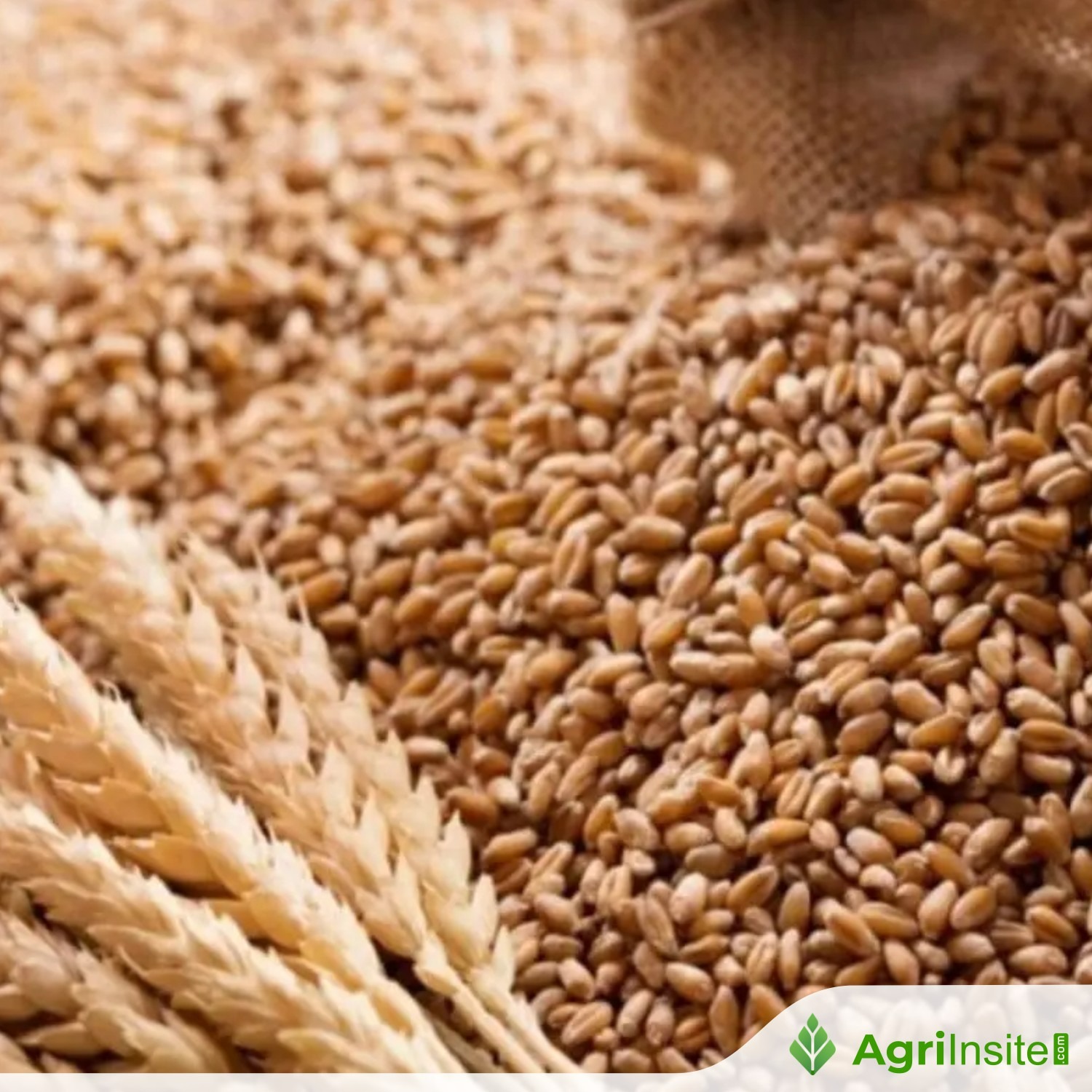
Pakistan’s provinces have requested over 2 million tonnes of wheat to curb soaring flour prices, prompting the federal government to plan 1 million tonnes of imports through TCP. Wheat will be distributed based on provincial demand, with procurement conducted through transparent competitive bidding.
Provincial governments have collectively demanded over 2 million metric tonnes of wheat to halt soaring flour prices, which have climbed as high as Rs150 per kilogramme, as the centre has asked the provinces to submit their total wheat demands in writing so that central authorities can devise an appropriate distribution strategy.
The government plans to import roughly 1 million metric tonnes of wheat through the Trading Corporation of Pakistan (TCP) to help bridge the gap.
According to media reports, the demands were finalised during a Wheat Board meeting on Monday, chaired by Federal Minister for National Food Security and Research Rana Tanveer Hussain, with representatives of all four provincial governments in attendance.
During the meeting, the minister said verbal demands from provinces were not sufficient and directed them to submit their requirements in writing.
According to officials, Punjab placed the largest demand at 1 million metric tonnes, to be sourced either from stocks held by the Pakistan Agriculture Storage and Services Corporation (PASSCO) or through imports.
Punjab produced nearly 22 million metric tonnes of wheat this year but fell well short of its 3 million metric tonne procurement target, contributing to the national supply crunch.
Sindh demanded 720,000 metric tonnes, comprising 500,000 metric tonnes through imports and the remainder from PASSCO stocks available in the province.
Khyber Pakhtunkhwa sought 425,000 metric tonnes in total — 200,000 metric tonnes of imported wheat and 225,000 metric tonnes of local wheat. Balochistan’s demand was the smallest, at 57,500 metric tonnes, to be met entirely from PASSCO stocks.
Officials said the meeting was told that total provincial demand exceeded PASSCO’s available stocks, with an anticipated supply gap requiring the import of approximately 1 million metric tonnes of wheat to stabilise the market.
The decision to proceed with this import volume had earlier been made based on verbal demands submitted by the provinces, before Tuesday’s directive for written confirmation.
Provinces were asked to submit their confirmed written requirements by Tuesday to help finalise the import plan and determine its modalities before a summary is submitted to the Economic Coordination Committee (ECC) of the Cabinet for approval.
The Wheat Board decided that the import will be conducted through transparent competitive bidding by the TCP, with provincial representatives invited to observe the procurement process and join technical committees to ensure transparency in quality specifications and procedures. Imported wheat will be allocated among participating provinces in proportion to their confirmed requirements, combined with their existing share of PASSCO stocks.
Under the arrangement finalised at the meeting, provincial governments will provide back-to-back Letters of Credit (LCs) against the imports, with the federal government empowered to deduct any payment shortfall from provinces’ shares in the National Finance Commission (NFC) award.
Punjab’s representative reiterated the province’s demand for 1 million metric tonnes, stating no preference between PASSCO stocks, imports, or a combination of both, though the Punjab cabinet would decide on the import mechanism, provincial participation in procurement, and other modalities.
Sindh informed the meeting that its provincial cabinet had already approved the import of 500,000 metric tonnes through TCP alongside procurement of 220,000 metric tonnes from PASSCO stocks.
Quality specifications for the imported wheat will be finalised by respective provincial governments, with the landed cost borne by each province based on its agreed specifications.
Separately, a representative of the private sector requested permission to import wheat independently, arguing it could prove more cost-effective than official TCP channels, and also sought the relaxation of inter-provincial movement restrictions to address regional shortages. The board did not accept either request, with the government maintaining that provincial requirements would be met solely through TCP imports.
Minister Rana Tanveer Hussain said all provinces would be kept fully informed throughout the import process, particularly regarding quality specifications, adding that wheat would only be imported after provincial governments approved its quality, since it would ultimately be consumed within the provinces.
He said the imported wheat would be distributed to ensure transparency, fairness, and equitable allocation, and directed relevant authorities to complete all necessary arrangements for the import in close coordination with the provinces.
To Read more about Wheat News continue reading Agriinsite.com
Source : Profit by Pakistan Today