U.S. risks losing part of major wheat market due to Turkish flour

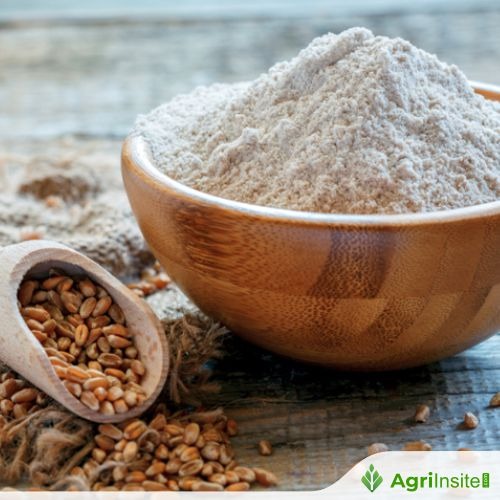
Philippine flour millers seek to extend anti-dumping duties of up to 16.19% on Turkish flour beyond January 2027. The move aims to protect domestic mills and demand for U.S. wheat, as cheaper Turkish flour previously displaced imports of around 200,000 tonnes of U.S. wheat.
Philippine flour millers are seeking an extension of anti-dumping duties on Turkish flour, which are due to expire on January 14, 2027. The issue is also important for U.S. exporters, as the return of significant volumes of low-priced Turkish flour could reduce Philippine demand for U.S. wheat.
The Philippines first imposed anti-dumping duties of up to 16.19% on Turkish flour in 2014. Combined with the country’s basic 7% import tariff, the measures helped reduce Turkish flour imports by more than 70% and allowed domestic mills to increase production.
Before the restrictions were introduced, Turkish flour accounted for about 9% of the Philippine market. According to U.S. Wheat Associates, these imports displaced demand for roughly 200 thsd tons of U.S. wheat. If the duties are removed, significant volumes of cheaper Turkish flour could once again intensify competition with local mills and consequently reduce their demand for imported wheat.
The Philippine market is strategically important for the United States. The country is the second-largest buyer of U.S. wheat, purchasing an average of around 2.5 mln tons annually, and is also the largest destination for U.S. soft white and hard red spring wheat. Philippine companies participating in a recent trade mission to the United States alone purchased more than 1.3 mln tons of U.S. wheat in MY 2025/26.
Philippine flour millers are now preparing their case for another extension of the anti-dumping measures. U.S. Wheat Associates supports their position, as maintaining the duties would protect both the domestic milling industry and a major export market for U.S. wheat from competition with Turkish flour.
To Read more about Wheat News continue reading Agriinsite.com
Source : Ukr Agro Consult