Why Punjab could see record paddy cultivation despite repeated diversification drives

Punjab is expected to maintain near-record paddy cultivation above 32 lakh hectares in 2026 as cotton acreage fell to a record low 77,609 hectares. Despite diversification efforts, MSP-backed procurement, free power and irrigation access keep farmers reliant on paddy, worsening groundwater depletion.
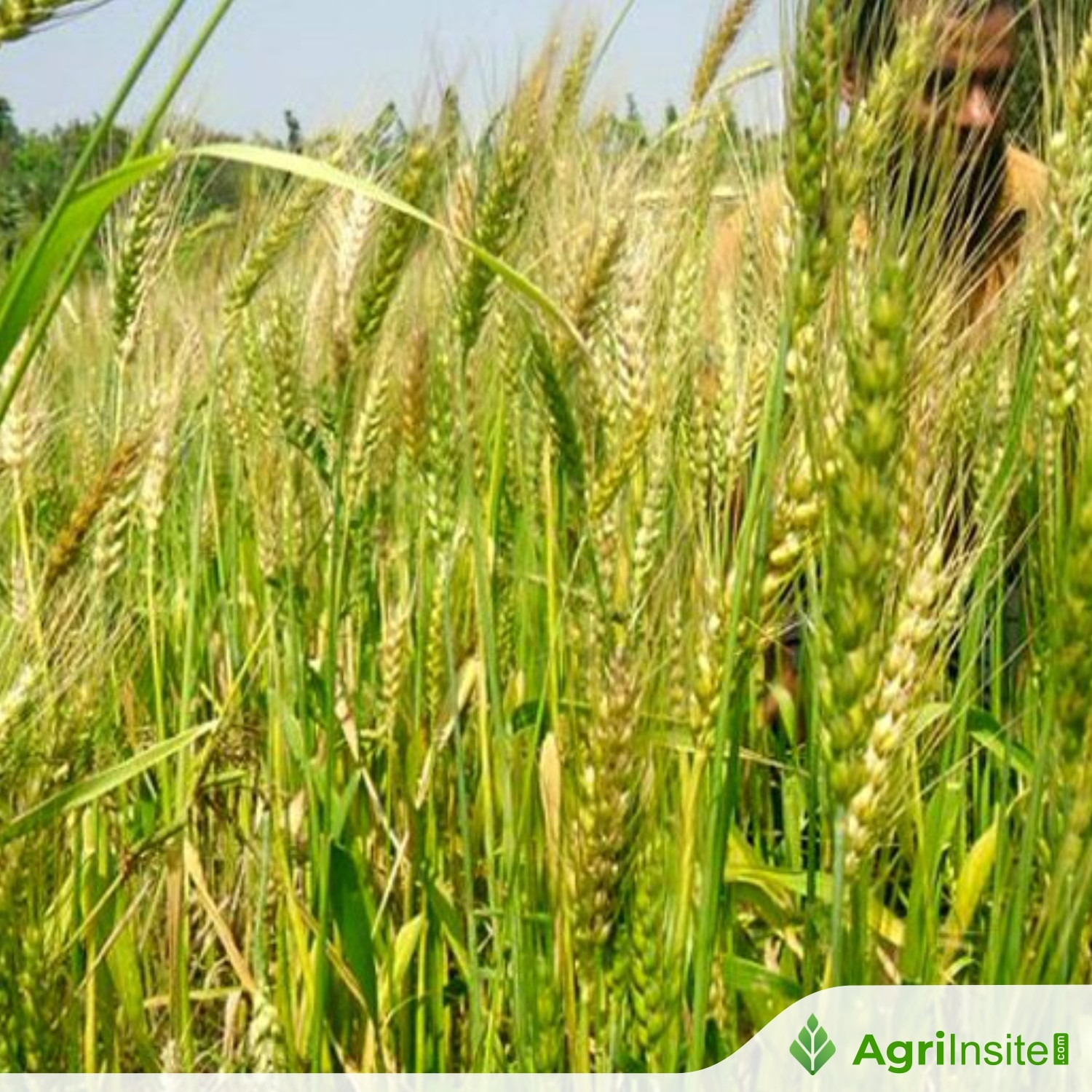
Despite an intensifying groundwater crisis and repeated government campaigns promoting crop diversification, Punjab is once again heading towards near-record paddy cultivation this kharif season. Early indications suggest that the area under paddy could once again hover around or even exceed last year’s all-time high of 32.49 lakh hectares, marginally above the 32.43 lakh hectares recorded in 2024 -25, as alternative crops such as cotton continue to lose acreage and maize remains largely stagnant.
The paddy season has already begun with farmers adopting direct seeding of rice, while transplantation of paddy nurseries commenced on Monday (June 1) under the state’s staggered sowing schedule aimed at reducing peak power demand and conserving groundwater.
Punjab has been divided into three zones for transplantation, with the first phase starting on June 1, the second on June 5, and the third from June 9 onwards. However, even as authorities push water-saving technologies and diversification programmes, the state’s kharif landscape appears set to remain overwhelmingly dominated by paddy, raising fresh concerns about the sustainability of Punjab’s groundwater resources.
Why is Punjab likely to see another year of near-record paddy cultivation?
The biggest reason is the decline in alternative kharif crops. Cotton acreage has fallen sharply this season, while maize, pulses, oilseeds, and sugarcane have either stagnated or failed to expand significantly.
Cotton cultivation has almost completed in Punjab and only 77,609 hectares could be brought under it. This is the lowest in the state’s history and around 40,000 hectares down from 1.13 lakh hectares last year.
Since Punjab’s total kharif cropped area remains relatively stable at around 35-36 lakh hectares, the area vacated by these crops especially cotton and kharif maize eventually shifts to paddy, which remains the safest option for farmers.
Paddy enjoys a support system unmatched by any other crop in Punjab. Farmers receive assured procurement at the minimum support price, timely payments, free electricity for irrigation, and an established mandi network. In contrast, crops such as cotton and maize face marketing uncertainties, fluctuating prices, and limited procurement support.
For many farmers, paddy remains the least risky crop despite concerns over water use and profitability.
While the government offers incentives for crops such as maize and subsidised cotton seeds, experts say these interventions remain too small compared to Punjab’s massive paddy economy. For example, the state’s maize diversification programme — which offers an incentive of Rs 17,500 per hectare — targets shifting only about 20,000 hectares from paddy, whereas rice is cultivated on more than 32 lakh hectares.
Agricultural economists argue that diversification cannot succeed unless alternative crops receive the same level of procurement support, market assurance, and infrastructure that wheat and paddy enjoy.
Cotton, once cultivated on nearly 7-8 lakh hectares in Punjab, has now shrunk to less than one lakh hectares. Similarly, kharif maize, which historically covered 5-6 lakh hectares, has remained stuck at around one lakh hectares for years.
The shrinking footprint of these crops suggests that farmers are increasingly abandoning alternatives and returning to paddy, reinforcing the state’s dependence on rice cultivation.
Also farmers got over one lakh new tubewell connections in Punjab for the past decade or so, especially in Malwa region’s cotton belt. This led them to shift to paddy easily by shunning cotton because of the availability of the groundwater through tubewells.
Why is this trend worrying for Punjab’s future?
Paddy is among the most water-intensive crops grown in north India, requiring around 25-30 irrigation cycles during a season. With nearly 80% of Punjab’s groundwater blocks already classified as overexploited, a further increase in paddy area could worsen groundwater depletion.
Punjab Agriculture Minister Gurmeet Singh Khuddian told The Indian Express that they have been making efforts to diversify the area from paddy to other crops, but for that Centre’s support is required in a big manner.
Experts say the debate is no longer about whether Punjab should diversify away from paddy. The bigger question is whether governments are willing to create procurement systems, processing facilities and market confidence for alternative crops at a scale large enough to change farmers’ choices. As long as paddy remains the only crop backed by strong economic and institutional support, Punjab’s diversification mission may continue to struggle, regardless of policy announcements or incentive schemes.
To Read more about Rice News continue reading Agriinsite.com
Source : The Indian Express