South Africa’s wheat plantings could fall to the lowest level in 12 years

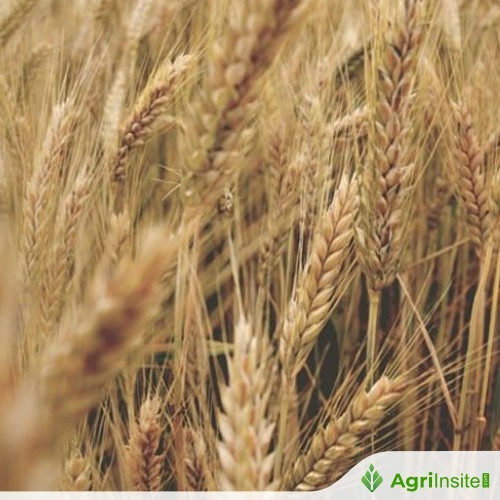
South African winter crop farmers face pressure from weak wheat prices, rising fuel and fertiliser costs, and uncertain rainfall. Wheat plantings are expected to fall to a 12-year low, while farmers increasingly shift toward barley, canola, and oats for better profitability.
South Africa’s winter crop farmers face a challenging start to the 2026-27 production season. Lower commodity prices resulting from ample global wheat supplies are one challenge.
But the sharply higher fuel and fertiliser prices are an even more pressing challenge as the season starts in the Western Cape and proceeds to other provinces over the coming two months.
A more uncertain weather outlook, with a chance of lower-than-normal rainfall, is another issue farmers must consider as they plan area plantings for the season. But in all five winter crops that South Africa produces – wheat, barley, canola, oats, and sweet lupines – the wheat industry is the most strained.
Thus, it is unsurprising that farmers intend to reduce the wheat plantings in the 2026-27 season by 6% to 486,400 hectares, according to the Crop Estimates Committee’s (CEC) farmers’ intentions to plant data. The provinces expected to see a notable decline in plantings are the Western Cape, Free State, and North West.
Meanwhile, planting in other smaller-growing provinces is projected to remain fairly stable. Still, given that the provinces set to experience a decline in plantings account for more than half of South Africa’s winter crop area, the impact is evident at the national level.
The expected area plantings of 486,400 hectares would be the lowest for wheat in South Africa in 12 seasons.
We suspect that the challenge of lower global wheat prices may weigh more than the issues of higher input costs and weather concerns in farmers’ considerations for the plantings. We say this because wheat is the only winter crop expected to see a decline in plantings.
Meanwhile, barley, canola, oats and sweet lupines could see the area plantings increase this new season, according to the CEC data. For example, South Africa’s 2026-27 barley plantings could increase by 5% from the previous season to 101,900 hectares, the largest area in three seasons. The increase reflects a shift from some wheat plantings to barley, likely due to profitability issues.
The 2026-27 canola plantings could increase by 8% from the previous season to 189,175 hectares. This will be the largest canola planting on record, also because of the switch from the typical wheat-growing regions, as farmers seek higher profitability.
The 2026-27 oats plantings are expected to increase by 10% from the previous season to 39,000 hectares, which is also a record area planted. This also reflects a slight shift from wheat regions.
Wheat prices in South Africa, as we end April 2026, are around R5,700 per tonne, about 8% lower than a year ago. While this price decline may not seem notable, combined with higher input costs, it weighs on the farmers’ finances as they plan for the start of the 2026-27 wheat season.
The generally lower wheat prices are partly due to ample global wheat supplies. For example, the International Grains Council forecasts global wheat production for 2025-26 at a record 845 million tonnes, up 5% from the previous season. This was on the back of a large harvest in the EU region, Russia, the U.S., Canada, Australia, Ukraine, Argentina, China and India, among others.
These large harvests also boosted the global wheat stocks by 10% from the 2024-25 season to 289 million tonnes. It is this uptick in stocks that added downward pressure on global wheat prices, which in turn led to a decline in South African wheat market prices.
While this has been a challenge for farmers and has raised concerns about the long-term sustainability of the industry, consumers have, at least in the near term, benefited from lower wheat prices.
South Africa imports about half of its annual wheat consumption, estimated at around 1.85 million tonnes in the 2025-26 marketing year. The lower prices and the reliance on imports have always underscored the need to balance consumer welfare and farmers’ financial sustainability in discussions about wheat import tariffs.
Overall, South African winter crop farmers start the year on challenging footing, and wheat farmers face the biggest challenge of all. Still, the data we explored are intentions to plant. We will have more clarity about what farmers ultimately decide to plant when the CEC releases the preliminary area estimate of winter crops for 2026 on 28 July 2026.
To Read more about Wheat News continue reading Agriinsite.com
Source : Windhoek Observer