India’s edible oil import dependence could drop to 47-48% in 7-8 years, says industry

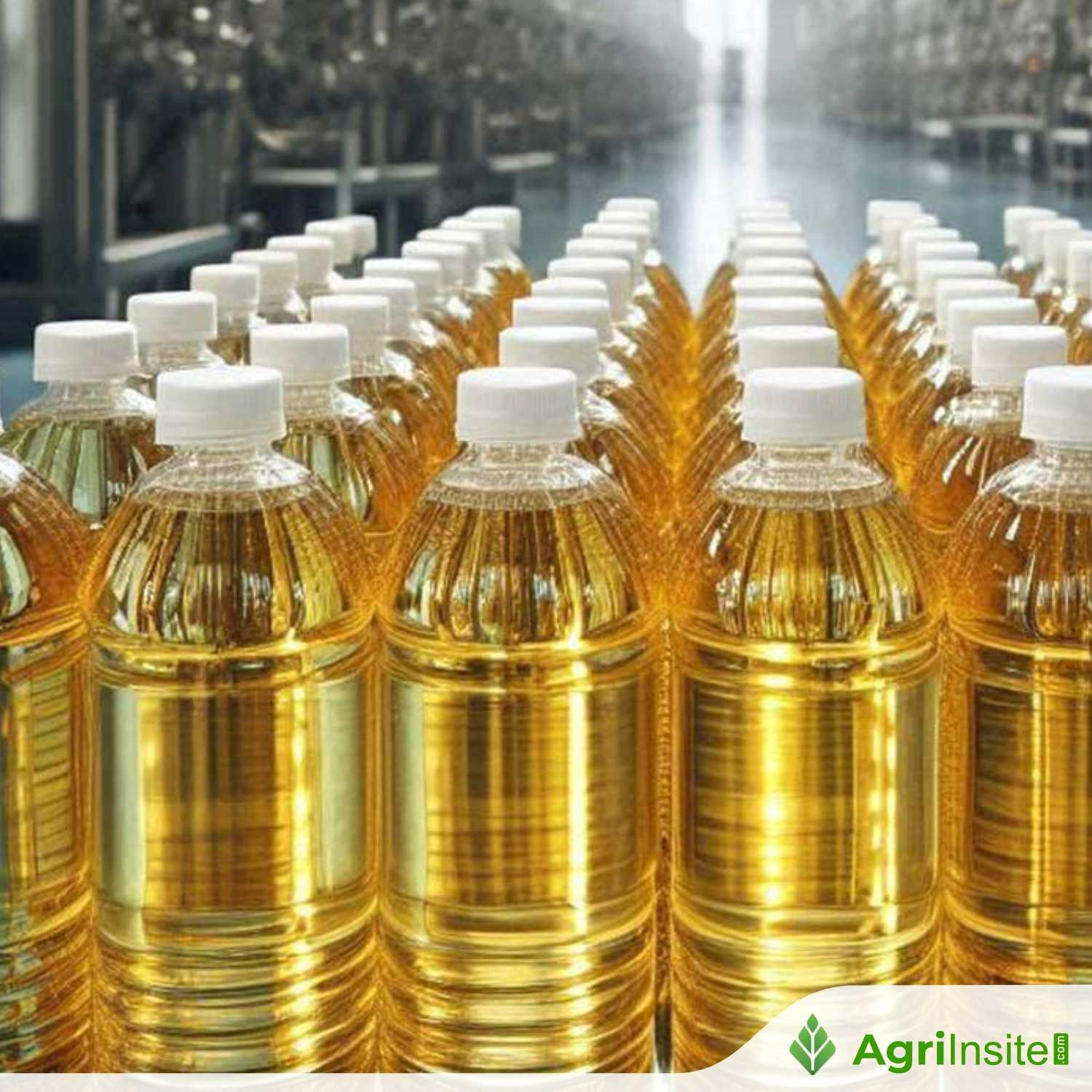
India’s edible oil industry expects import dependence to decline from nearly 60% to 47–48% over the next decade through higher domestic oilseed production. Industry leaders support stable tariffs and government oilseed missions, while warning that global biofuel demand, crude oil prices, and geopolitical tensions will keep markets volatile.
India’s edible oil industry believes the country can meaningfully reduce import dependence over the next decade without disrupting consumption growth, even as global volatility keeps prices elevated
According to Sudhakar Desai, CEO of Emami Agrotech & President of Indian Vegetable Oil Producers’ Association (IVPA), the industry sees a realistic pathway to bring import dependence down from nearly 60% currently to around 47-48% over the next seven to eight years through higher domestic oilseed production.
Explaining why the industry supports the government’s latest austerity messaging, Desai said the Prime Minister’s appeal to reduce edible oil consumption should not be seen as a narrow consumption advisory. “It’s a call for national resilience,” he said, arguing that the move is aimed at protecting India’s foreign exchange reserves and preparing the economy for prolonged geopolitical and supply chain disruptions.
Desai pointed out that edible oil remains among India’s largest import categories after fuel and gold, with the country importing nearly $20 billion worth annually. He said rising crude oil prices, freight costs, insurance premiums and currency depreciation have already started feeding into broader inflation across sectors ranging from packaging materials to chemicals and energy.
While speculation around higher import duties on edible oils has resurfaced after the recent hike in gold and silver duties, Desai said the industry does not currently see a strong case for additional increases. Instead, he argued that the focus should remain on maintaining price stability for both farmers and consumers.
Explaining why the industry prefers calibrated intervention over aggressive tariff action, Desai said, “A token 5% reduction in duty would be the right thing to do right now.” He added that elevated edible oil prices are already helping support domestic oilseed farmers, particularly mustard growers, while government-backed oilseed and oil palm missions are gradually strengthening local production capacity.
The broader strategy, according to Desai, is not to eliminate imports but to gradually rebalance India’s dependence through sustained domestic output growth. IVPA estimates suggest that if mustard, soybean, groundnut and oil palm production continue expanding steadily, import reliance could fall sharply over the medium term even as per capita consumption rises.
Desai also acknowledged that India will remain vulnerable to global price movements because of its dependence on imported edible oils and exposure to biofuel mandates in countries such as Indonesia, Brazil and the US. He said nearly 25-30% of global edible oil output is now linked to biofuel demand, which continues to influence international prices.
Even so, he maintained that India’s supply security remains manageable because palm oil continues to act as a price stabiliser. “For India, there will always be edible oil supplies,” Desai said, adding that a mix of palm oil imports, soy, sunflower oil and higher domestic crop output should help prevent any major supply disruptions for now.
To Read more about Edible Oil News continue reading Agriinsite.com
Source : CNBC Tv18