Bangladesh : Wheat prices rise despite record imports

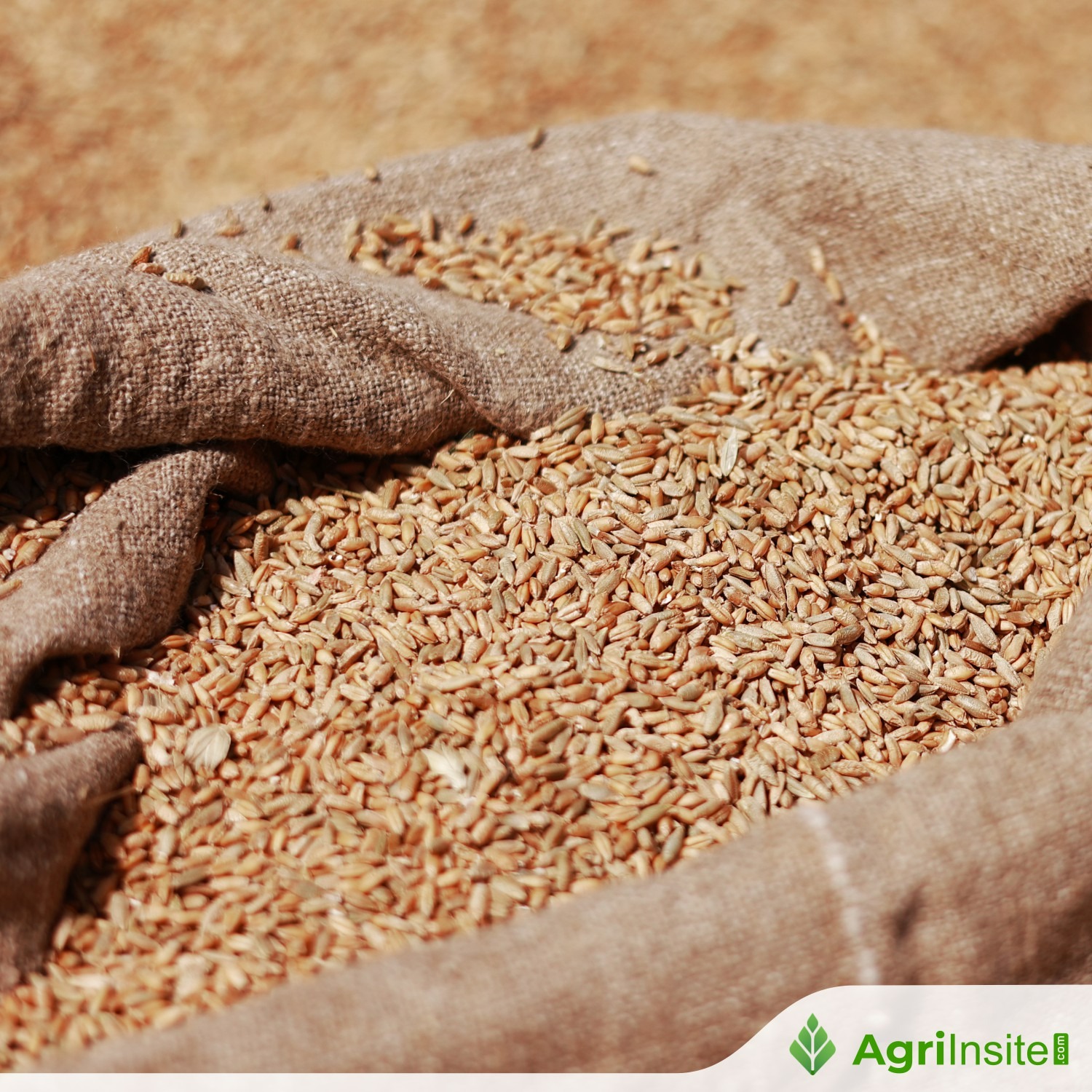
Bangladesh’s wheat flour prices continued rising in July 2026 despite record 7.4 million-tonne imports in 2025/26. Higher global prices and import costs are pressuring millers, while 2026/27 imports may fall to 6.6 million tonnes despite growing domestic consumption.
Wheat flour prices have continued to rise in Bangladesh despite record wheat imports in the previous marketing year, as higher international prices and rising import costs put pressure on local millers and traders.
According to the latest US Department of Agriculture (USDA) Grain and Feed Update, the average retail price of unpacked coarse wheat flour, commonly known as atta, reached Tk47.5 per kilogram in July 2026, up around 12% from Tk42.4 a year earlier.
The price of unpacked fine wheat flour, or maida, also rose to Tk60 per kilogram in July, up 2.5% from the same month of 2025.
The USDA said wheat flour prices had generally been trending upward since April 2026. Despite record imports in 2025/26, higher international wheat prices and rising import costs increased the cost of wheat available to domestic millers and traders.
According to the Trading Corporation of Bangladesh (TCB), the price of loose atta rose 3.16% in a month, while loose fine flour increased 8% and packet fine flour 14.29%.
Md Polsah of Motlab Traders in Mirpur-13 said the price of a 50kg sack of atta had increased to Tk2,300 from Tk1,950, while a 50kg sack of fine flour rose to Tk3,250 from Tk2,900.
Economist and researcher Dr Jahangir Alam Khan told the Daily Sun that Bangladesh was heavily dependent on imports to meet its wheat and edible oil requirements.
“Since global prices are high, Bangladesh will have to pay higher prices when it goes to the international market. When we have to pay higher prices, it will put pressure on our budget and constrain our ability to import sufficient quantities,” he said.
“If we cannot import enough, it will have two effects on the domestic market. First, it will create a food security problem. Second, domestic prices will rise significantly, which will further increase inflation, particularly food inflation,” he said.
“In such a situation, what we need most is to become as self-sufficient as possible in foodgrain production. For that, we need to focus on domestic production and provide greater support to domestic producers. We need to increase subsidies so that domestic production can rise and our dependence on the global food market can be reduced,” he added.
Imports likely to decline
Bangladesh is expected to import 6.6 million tonnes of wheat in the 2026/27 marketing year, down 10.8% from the estimated 7.4 million tonnes imported in 2025/26.
The 7.4 million tonnes imported in 2025/26 was a record high, according to the USDA report.
The USDA lowered its 2026/27 import forecast mainly because of higher international wheat prices and uncertainty over global supplies and trade flows. Disruptions to grain shipments from the Black Sea region have also added to uncertainty in international markets.
Bangladesh’s wheat import market is highly price-sensitive. The USDA expects higher global prices to constrain import demand, while large stocks accumulated by private-sector millers and traders after record imports in 2025/26 are likely to reduce the need for fresh imports during 2026/27.
Of the 7.4 million tonnes imported in 2025/26, the private sector accounted for about 6.6 million tonnes, while the remainder was imported by the government mainly for public food stocks and social safety net programmes.
The government also procures wheat through international tenders and government-to-government arrangements. Under an agreement with US Wheat Associates, the government procured around 745,000 tonnes of US wheat in 2025/26 and committed to purchasing up to 700,000 tonnes annually through 2030. It has already contracted around 220,000 tonnes for 2026/27 under the commitment.
Consumption keeps growing
The USDA forecasts food, seed and industrial (FSI) consumption at 7.8 million tonnes, up 4% from an estimated 7.5 million tonnes in 2025/26.
Growing demand for wheat flour from households and the food-processing industry, including biscuits, confectionery, pasta, noodles and bakery products, is driving consumption.
The USDA also noted that many households had shifted towards greater consumption of wheat flour as rice prices remained high for more than a year.
The feed industry is also expected to consume around 310,000 tonnes of wheat in 2026/27, up from 300,000 tonnes in the previous marketing year.
Commercial feed mills generally use around 4-5% wheat flour in poultry, aquaculture and cattle feed formulations, depending on the type of feed and the relative prices of other ingredients. Wheat bran is also used as a feed ingredient and can substitute for rice bran depending on price and availability.
Overall, total wheat consumption is forecast at 8.11 million tonnes in 2026/27, compared with 7.8 million tonnes in 2025/26.
Domestic production remains stagnant
Bangladesh remains heavily dependent on imports to meet its wheat demand. Domestic wheat production is forecast at only 1.05 million tonnes in 2026/27 from 290,000 hectares of harvested land.
The USDA said domestic production meets only around 10% of the country’s total wheat demand, leaving imports as the main source of supply. Wheat acreage and production have remained largely stagnant for several years.
Farmers have limited incentives to expand wheat cultivation because alternative rabi crops, including vegetables and corn, can generate higher returns. Limited availability of high-yielding and locally suitable wheat varieties is another constraint.
The USDA estimates total wheat supply at 9.08 million tonnes in 2026/27, including beginning stocks of 1.43 million tonnes, domestic production of 1.05 million tonnes and imports of 6.6 million tonnes.
Ending stocks are projected at around 973,000 tonnes, down substantially from the estimated 1.48 million tonnes at the end of 2025/26, as consumption is expected to rise while imports decline.
To Read more about Wheat News continue reading Agriinsite.com
Source : Daily Sun