Cambodia : Rice harvest tipped to beat annual average by ten per cent

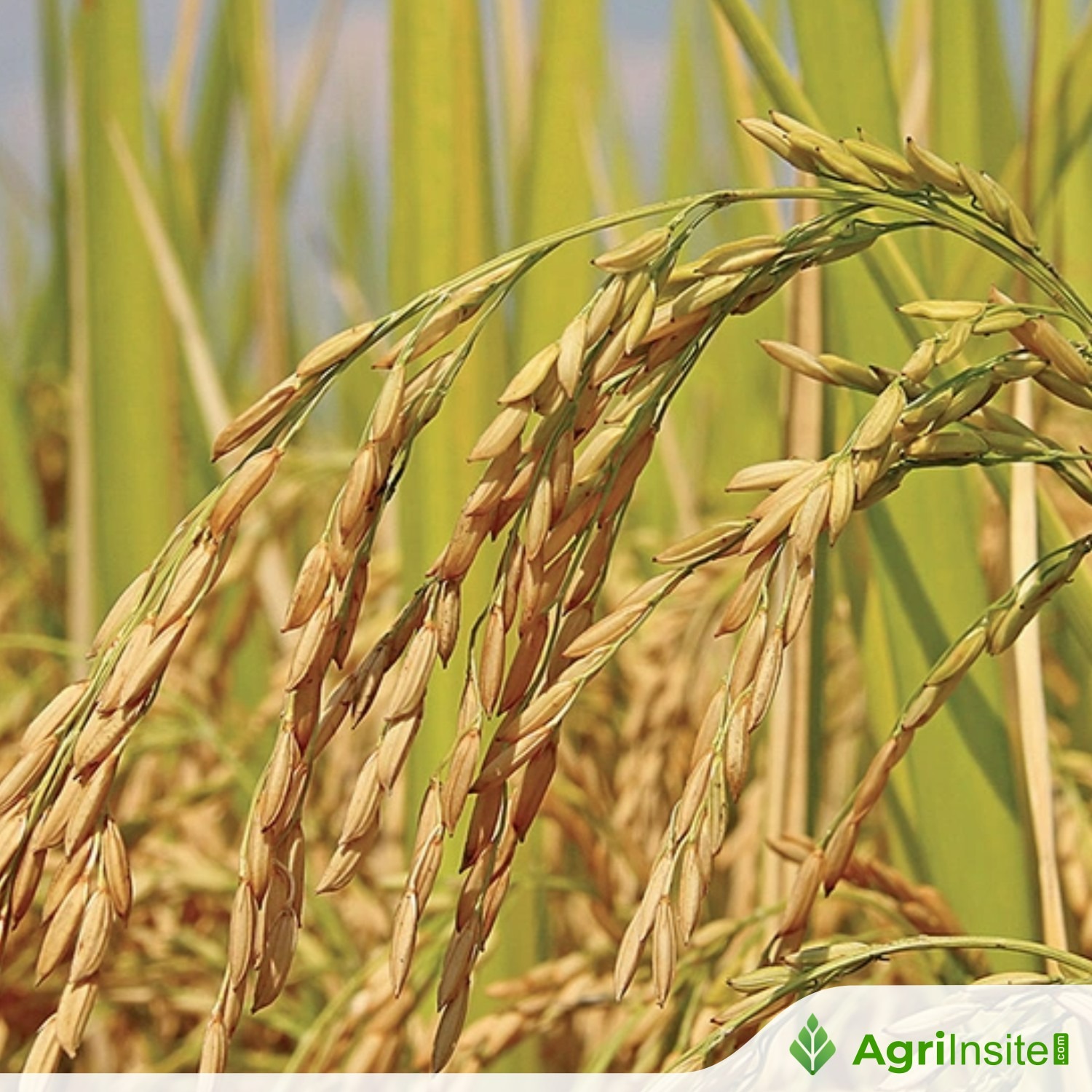
FAO forecasts Cambodia’s 2025–26 rice production at 13.9 million tonnes, 10% above average, supported by favourable monsoon conditions. Maize output may reach 1.4 million tonnes, though dry weather in key regions could impact yields, while planting areas and overall agricultural output remain strong.
The UN Food and Agriculture Organization (FAO) has forecast that Cambodia’s rice production for the 2025–2026 season could reach approximately 13.9 million tons, about 10 per cent above the five‑year average. Red corn, a key raw material for animal feed production, may top 1.4 million tonnes.
Planting of the 2025/26 main wet season paddy crop, accounting for about 70 per cent of annual output, is expected to be finalised by the end of the month. According to official estimates, as of early August 2025, about 2.7 million hectares were planted with paddy, close to the record level reached in the same period in 2024.
The May to October monsoon season began on time in early May and precipitation amounts were average to above average until early August, across the main rice producing southern and central provinces, supporting crop establishment and early development.
By contrast, in some northern areas, precipitation amounts in July and August were well below average, constraining planting activities and affecting early crop development.
In parts of Battambang, Oddar Meanchey and Siem Reap provinces, which together account for about 15 to 20 per cent of the main season’s paddy output, satellite imagery indicated poor crop conditions as of early August.
The 2025/26 mostly irrigated secondary dry season paddy crop, accounting for about 30 per cent of the annual output, will be planted from November onwards. Aggregate paddy production in 2025/26 is preliminarily forecast at 13.9 million tonnes, about 10 per cent above the five‑year average.
Planting of the 2025/26 main wet season maize crop, about 80 per cent of the annual output, is also expected to be finalised by the end of August. According to official estimates, as of early August, the area planted with maize surpassed the above‑average level of 2024, supported by strong demand by the domestic feed industry.
Localised moisture deficits in Battambang province, which produces almost 65 per cent of the main season maize output, will likely have a negative effect on yields, particularly of early planted crops. The 2025/26 secondary dry season maize crop, accounting for about 20 per cent of the annual output, will be planted in February 2026. Aggregate maize production in 2025/26 is preliminarily forecast at an above-average level of 1.4 million tonnes.
Heng Sith, from the Battambang Provincial Department of Agriculture, Forestry and Fisheries, told The Post on August 29 that the area planted with rice and cassava in Battambang province for the 2025–2026 season had increased over the 2024–2025 period, while the area planted with red corn had slightly decreased.
He explained that this decrease was due to the shared land use between cassava and red corn.
“Some years, farmers use more land for cassava, and in other years, they plant more red corn,” he said.
He added that the weather conditions in Battambang during the past few months of 2025 had been largely favourable for agriculture.
“Based on our current observations, rice and cassava yields and quality for the 2025–2026 season in Battambang will likely surpass those of 2024–2025. However, red corn yields may decline slightly due to the reduction in cultivated area,” he noted.
To Read more about Rice News continue reading Agriinsite.com
Source : The Phnom Penh Post