Punjab : PAU introduces hybrid maize to boost crop diversification, reduce water use

Punjab Agricultural University has introduced PMH 17, a dual-purpose hybrid maize for grain, silage and ethanol use. The variety yields about 25 quintals per acre, matures in 96 days, and requires far less water than paddy, supporting crop diversification and groundwater conservation.
In a step towards promoting crop diversification and conserving groundwater resources in the state, the Punjab Agricultural University (PAU) has introduced a new hybrid maize, PMH 17, for cultivation during the upcoming kharif season.
State agriculture authorities are encouraging farmers to shift a portion of their paddy acreage to the newly developed hybrid, which requires substantially less water than traditional paddy crops.
In Punjab, officially recommended kharif maize covers only 2.5 lakh acres. Conversely, despite warnings from agricultural authorities regarding its high water consumption during the dry season, unrecommended summer maize spans 6 to 7 lakh acres, cultivated primarily for silage production.
Agricultural experts describe PMH 17 as the first dual-purpose maize hybrid developed by the PAU, suitable both for high-yield grain production and silage preparation, a nutritious processed fodder widely used in the dairy sector. The variety has been recommended for cultivation across the state and is expected to play a key role in supporting Punjab’s crop diversification programme.
According to PAU scientists, PMH 17 matures in approximately 96 days and has the potential to yield around 25 quintals of grain per acre under recommended agronomic practices. The hybrid has demonstrated adaptability across different soil types, making it suitable for cultivation in diverse agro-climatic conditions.
Principal maize breeder at PAU Dr Surinder Kaur Sandhu said the adoption of PMH 17 could provide farmers with improved productivity and better economic returns while contributing to the conservation of natural resources.
“Our field experiments show that the hybrid can be cultivated successfully irrespective of soil structure. Its adoption will not only benefit farmers economically but also support Punjab’s efforts to diversify cropping patterns and reduce pressure on groundwater resources,” she said.
Officials from the state agriculture department noted that Punjab has witnessed rapid growth in silage manufacturing units since 2020 due to increasing demand from the dairy industry. Consequently, many farmers have begun cultivating maize during the summer and spring seasons to earn additional income through silage production.
However, authorities have expressed concern that maize cultivation during the dry months places additional pressure on groundwater reserves. The introduction of PMH 17 is expected to encourage farmers to grow maize primarily during the kharif season, when rainfall can meet a significant portion of the crop’s water requirements.
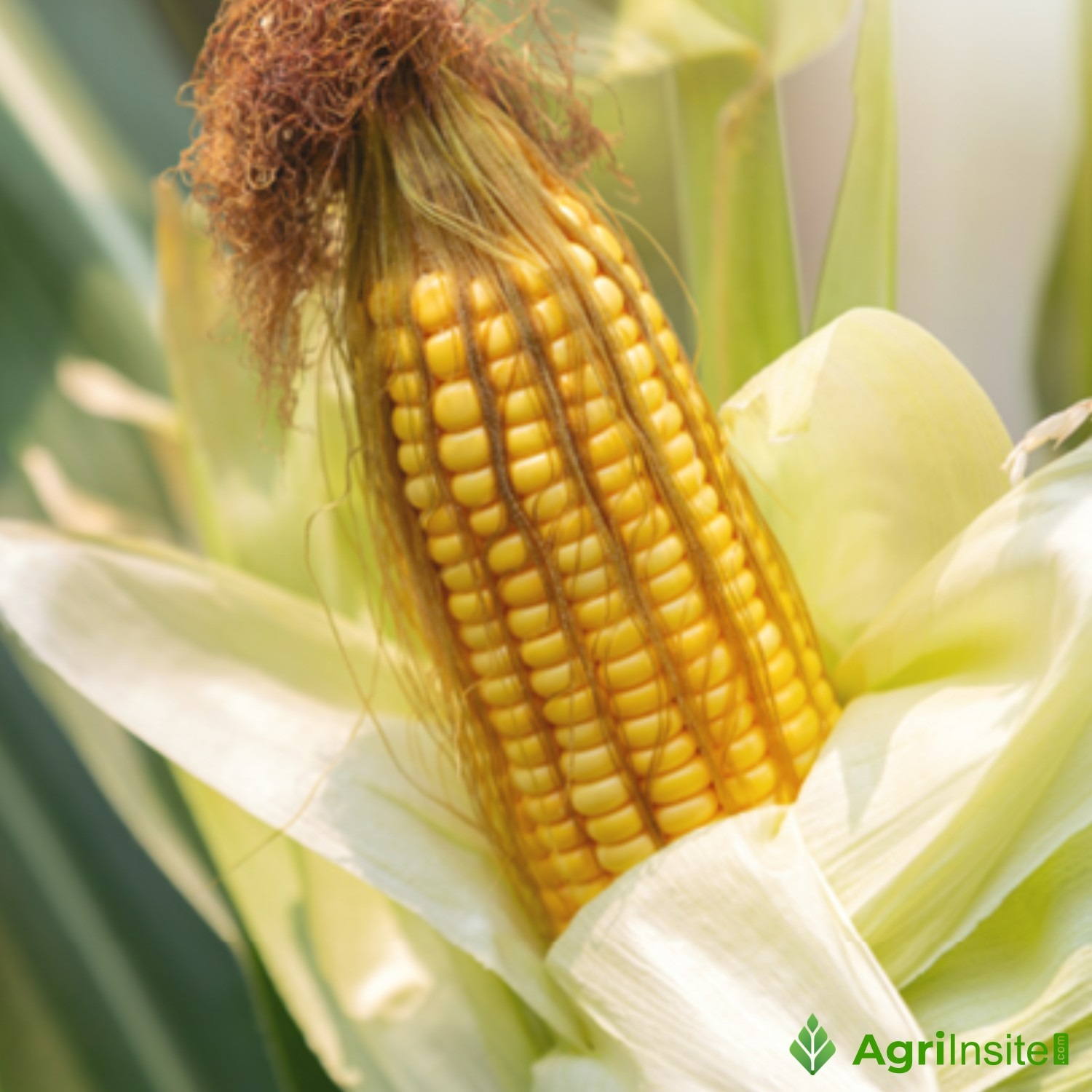
The single-cross hybrid is characterised by tall and vigorous plants, broad erect leaves and long cobs bearing yellow-orange grains. Researchers say the variety offers luxuriant vegetative growth, superior biomass production and excellent silage quality, making it particularly beneficial for dairy farmers.
Dr Sandhu highlighted that the grains of PMH 17 contain more than 65% starch, enhancing its commercial value and making it suitable for utilisation by the ethanol industry as well.
PAU estimates that approximately 10 kilograms of seed are required per acre. Seeds are available at a price of ₹240 per kilogram through the university and krishi vigyan kendras (KVKs) across Punjab.
Emphasising the water-saving potential of the crop, Dr Sandhu pointed out that paddy typically requires 125 to 140 centimetres of water during a growing season, whereas hybrid maize requires only 30 to 40 centimetres during the kharif cycle.
She urged farmers to adopt kharif maize cultivation, citing growing market demand and lower water consumption compared to paddy.
The university has advised farmers to complete sowing by June 20 to minimise the adverse impact of heavy monsoon rains and excessive moisture during the crop season. It has also recommended sowing PMH 17 on raised beds using pneumatic planters to ensure proper plant spacing, better germination and efficient drainage under rainy conditions.
Experts warned that maize crops are susceptible to lodging and waterlogging during periods of heavy rainfall. Field trials conducted by the PAU have shown that bed planting significantly reduces these risks and improves crop performance under adverse weather conditions.
To Read more about Maize News continue reading Agriinsite.com
Source : Hindustan Times