Centre ramps up monsoon contingency measures as IMD forecasts below-normal rainfall

India has activated contingency measures for a below-normal monsoon (90% of average) linked to El Niño. The Centre formed monitoring and crisis groups, boosted seed and fertiliser preparedness, secured imports, and reported ample wheat (513 lakh tonnes) and rice (397 lakh tonnes) stocks to safeguard kharif crops and food security.
New Delhi: With the India Meteorological Department (IMD) predicting a below-normal southwest monsoon at about 90 per cent of the long-period average due to El Nino, the Centre on Monday said it has activated multiple preparedness measures to protect kharif crops.
The Agriculture Ministry has constituted a Crop Weather Watch Group that will meet every Monday to monitor rainfall patterns, sowing progress, reservoir levels, input availability, pest incidence, and price trends.
A separate Crisis Management Group, comprising relief commissioners and state disaster management authorities, has also been set up. A comprehensive crisis management plan has been circulated to all state governments.
States have been advised to maintain a seed reserve of at least 1 per cent, with special emphasis on short and medium duration varieties.
The ministry is also preparing district-level contingency plans in coordination with the Indian Council of Agricultural Research (ICAR) and conducting regular video conferences with state officials.
“A Crop Weather Watch Group has been constituted and meets every Monday to study rainfall patterns, sowing progress, reservoir status, input availability, pest incidence and price trends,” said Anupam Mishra, Additional Secretary, Food and Consumer Affairs Ministry.
Fertiliser availability
Fertiliser stocks are currently at 51 per cent of the kharif season requirement — significantly higher than the usual 33 per cent buffer — thanks to advance procurement and better logistics.
Taking the El Nino outlook into account, the ministry has revised fertiliser demand estimates downward.
Domestic fertiliser production stood at 104.81 lakh tonne post the West Asia crisis, with imports of 27.62 lakh tonne, taking total additions to availability to approximately 132.43 lakh tonne, said Aparna S Sharma, Additional Secretary, Fertiliser Ministry.
Urea demand for the 2026-27 kharif season has been pegged at 194 lakh tonnes (down 4 lakh tonnes), while DAP demand has been reduced by 6 lakh tonnes to 60 lakh tonnes.
The government has also secured 25 lakh tonnes of urea and 50 lakh tonnes of DAP from sources outside the Strait of Hormuz, with shipments expected in June-July. A global tender for 70 lakh tonnes of urea is currently underway.
Food stocks
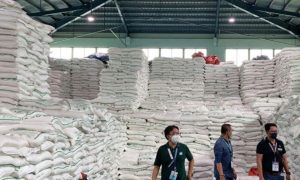
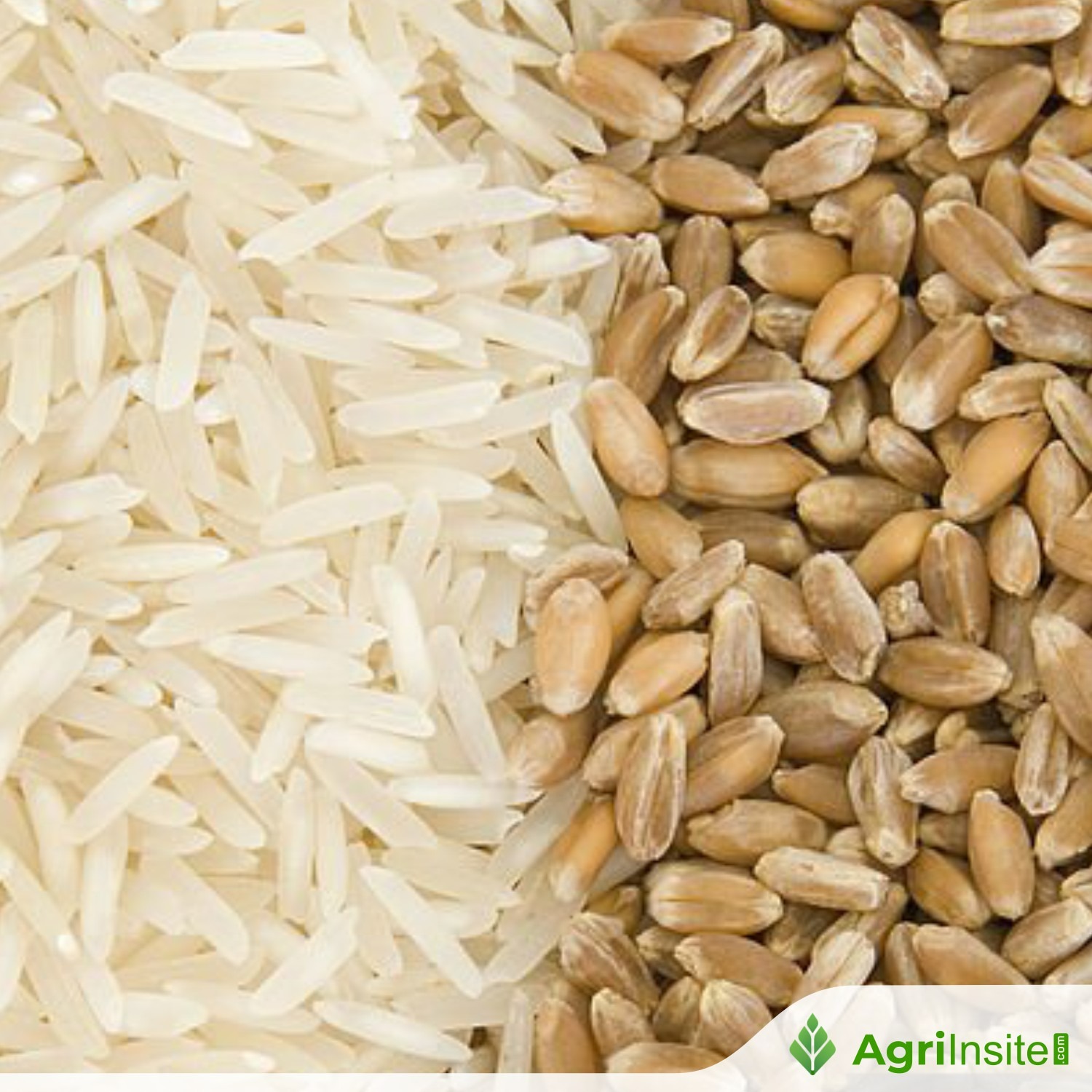
On the food security front, wheat stocks stand at 513 lakh tonne against the buffer norm of 275 lakh tonne as on July 1, while rice stocks are at 397 lakh tonne against the norm of 135 lakh tonne, said C Shikha, Joint Secretary, Food, Public Distribution and Consumer Affairs Ministry.
Prices of cereals, pulses, and sugar have remained stable. Potato, onion, and tomato prices are range-bound with no unusual volatility.
Edible oil availability is adequate, supported by regular imports of palm oil, sunflower oil, and soyabean oil through unaffected trade routes.
Additional Secretary in the Food and Consumer Affairs Ministry, Anupam Mishra said the government is closely watching the situation to ensure minimal impact on farmers and food security.
To Read more about Wheat News continue reading Agriinsite.com
Source : Deccan Herald