India’s rice fields now rank among world’s top methane hotspots

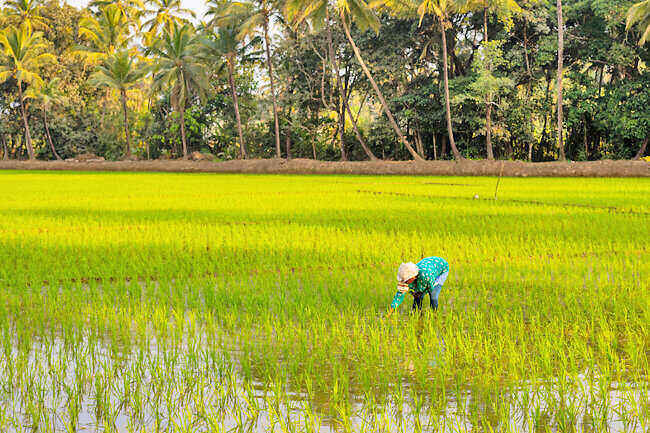
A Nature Food study found that greenhouse gas emissions from global paddy fields nearly doubled since the 1960s, reaching 1.1 billion tonnes of CO₂-equivalent annually during 2011–2020. About half the increase was driven by the loss of soil organic carbon, with many paddy fields shifting from carbon sinks to carbon sources.
Greenhouse gas (GHG) emissions from paddy fields worldwide have doubled since the 1960s, a new study in NatureFood has found. In the most recent decade, 2011-2020, paddy fields around the world produced around 1.1 billion tonnes of carbon dioxide-equivalent (CO2-e) emissions every year — a 90.4% increase from the annual emissions between 1961 and 1980, the study reported.
Upon examining the sources contributing to the rise in emissions, the study found that about half the increase was driven by the loss of soil organic carbon. Between 1961 and 1980, paddy fields were soil organic carbon sinks, removing some 289 million tonnes of CO2-e emissions annually. However, the sink weakened over time. In the 2010s, over a third of paddy fields worldwide in fact began losing carbon from the soil.
To Read more about Rice News continue reading Agriinsite.com
Source : The Hindu