Indonesia’s Rice Self-Sufficiency Reshapes Global Markets as Customs Intercepts Major Smuggling Ring

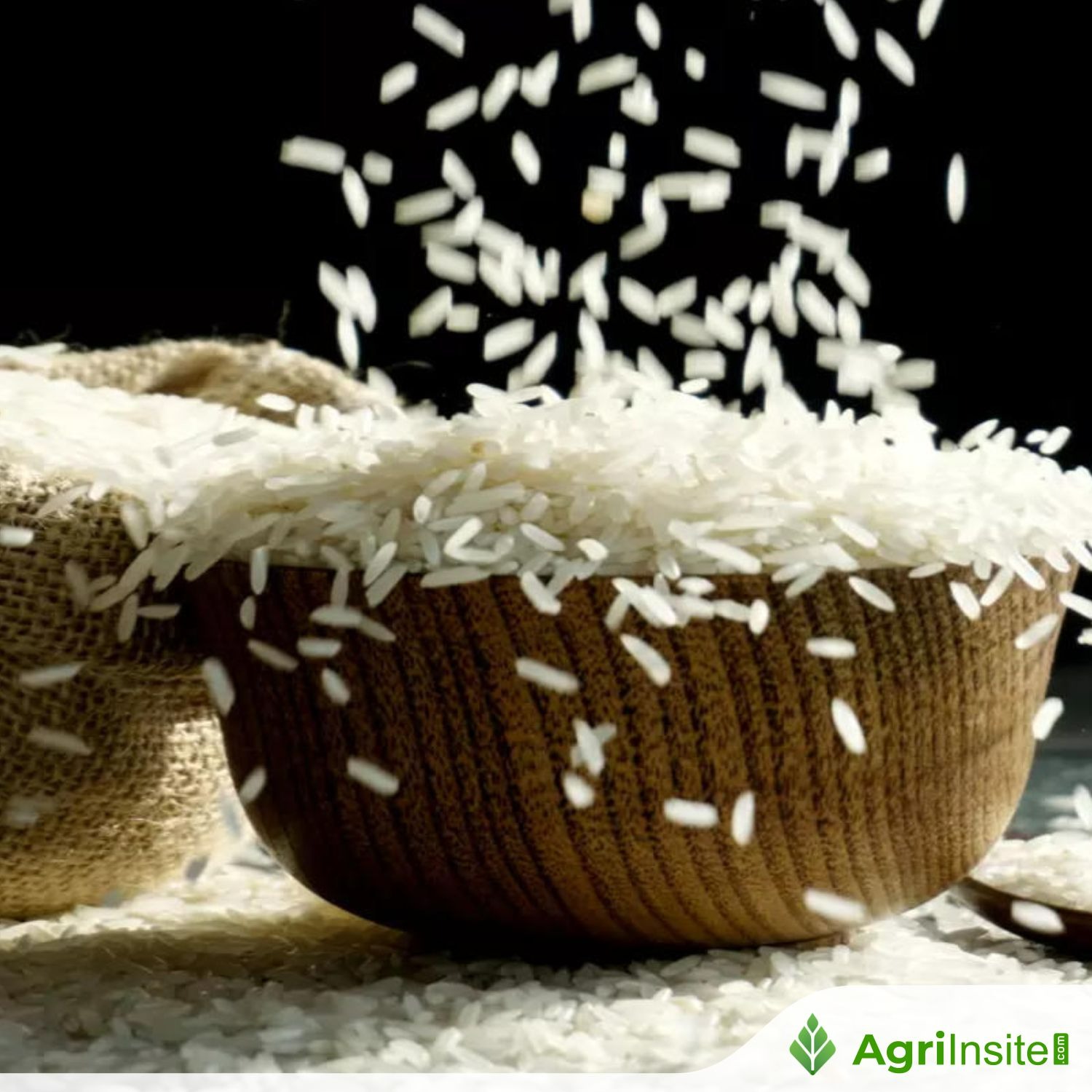
Indonesia’s rice self-sufficiency has ended large-scale imports, with 2025 production reaching 34.69 million tonnes and no consumer-rice imports. The government is tightening action against illegal shipments, including rice seized at Indonesian ports, citing risks to farmers, markets and biosecurity while maintaining its import restrictions.
Indonesian Minister of Agriculture Andi Amran Sulaiman has declared that the country’s rapid achievement of rice self-sufficiency is actively reshaping global commodity markets, following the government’s complete cessation of legal imports after two years of heavy reliance on foreign supply.
Speaking in Jakarta following a major customs operation that intercepted illegal food shipments from India, Amran outlined the severe domestic and international consequences of agricultural smuggling. With Indonesia transitioning from importing over seven million tons of rice between 2023 and 2024 to producing a domestic surplus in 2025, the sudden withdrawal of the world’s largest buyer has triggered price crashes across major exporting nations.
The Customs Interception
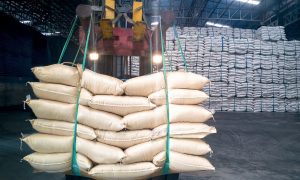
The agricultural policy review was prompted by a coordinated enforcement action by the Directorate General of Customs and Excise (DJBC). Authorities successfully intercepted illegal shipments at the Tanjung Perak Port in Surabaya and a bonded zone in Bogor between August and September 2026. According to customs records, smugglers attempted to bring in 30 containers carrying illegal rice and salt, deliberately misrepresenting the cargo in official customs documents to evade tariffs and agricultural quarantine protocols.
At Tanjung Perak, 15 containers declared as industrial ammonium chloride were found to contain 202.45 tons of premium rice and 211 tons of salt. A simultaneous raid in Bogor uncovered another 194.9 tons of rice and 225.4 tons of a white granular substance suspected to be salt, falsely declared as tanning chemicals. The combined value of the seized commodities reached Rp15.8 billion.
Amran emphasised that the danger of these shipments lies not in their volume relative to national consumption, but in their capacity to introduce biological hazards and distort local markets. The operation highlights the ongoing vulnerabilities at Indonesian ports despite the nation’s improved domestic food security across eight essential commodities.
Global Market Repercussions
Indonesia’s abrupt exit from the international rice market has generated profound ripple effects across the agricultural economies of Southeast and South Asia. Between 2023 and 2024, Indonesia was the world’s leading rice importer, absorbing 7.58 million tons to stabilize domestic reserves amidst weather disruptions. By the end of 2025, domestic production had recovered sufficiently for the government to halt legal imports entirely.
The sudden loss of demand from such a massive consumer has stranded surpluses in exporting countries. Amran noted that the benchmark price for international rice collapsed from $660 per ton during the peak of Indonesia’s purchasing cycle to $368 per ton following the import freeze. This steep decline has placed severe financial pressure on rural economies in Thailand, Vietnam, India, and Pakistan, leading to localized farmer protests in several major producing regions.
According to the Ministry of Agriculture, several foreign leaders formally requested President Prabowo Subianto to reopen the Indonesian market to absorb their excess supply. However, the government has maintained its protectionist stance, arguing that foreign diplomatic interests cannot supersede domestic agricultural stability.
Protecting the Domestic Baseline
The government’s refusal to resume imports is anchored in newly published data from Statistics Indonesia (BPS), which aligns with recent Food and Agriculture Organization assessments. National rice production reached 34.69 million tons in 2025, representing an increase of 4.07 million tons—or 13.29 percent—compared to the 30.62 million tons harvested in 2024. This surplus forms the foundation of the current administration’s food security strategy.
Amran argued that allowing smuggled rice to penetrate the market, even in small quantities, poses a psychological threat to the country’s 115 million farmers. When domestic producers perceive that the government cannot control illicit foreign competition, their motivation to invest in the next planting season diminishes. The state aims to maintain high farm-gate prices to ensure that the rural economy retains the capital necessary for sustained modernization and increased yields.
Severe Penalties and Biological Threats
Beyond economic disruption, the Ministry of Agriculture views illegal imports as a fundamental biosecurity threat. Amran recalled the catastrophic 2022 foot-and-mouth disease outbreak, which swept through the national cattle herd after a single container of illegal meat bypassed quarantine protocols. That localized failure ultimately caused an estimated Rp40 trillion in economic damages and affected two million cattle.
To deter future syndicates, the minister has called on prosecutors to seek the maximum possible penalties under Article 102B of the Customs Law. Amran demanded that those convicted of agricultural smuggling face 20-year prison sentences, framing the crime as an act of economic sabotage. The DJBC is currently coordinating with the National Police and the Attorney General’s Office to dismantle the corporate networks responsible for the falsified shipping manifests.
To Read more about Rice News continue reading Agriinsite.com
Source : Streamline