Sugar mills focus on integrated operations ahead of 2026-27 crushing season

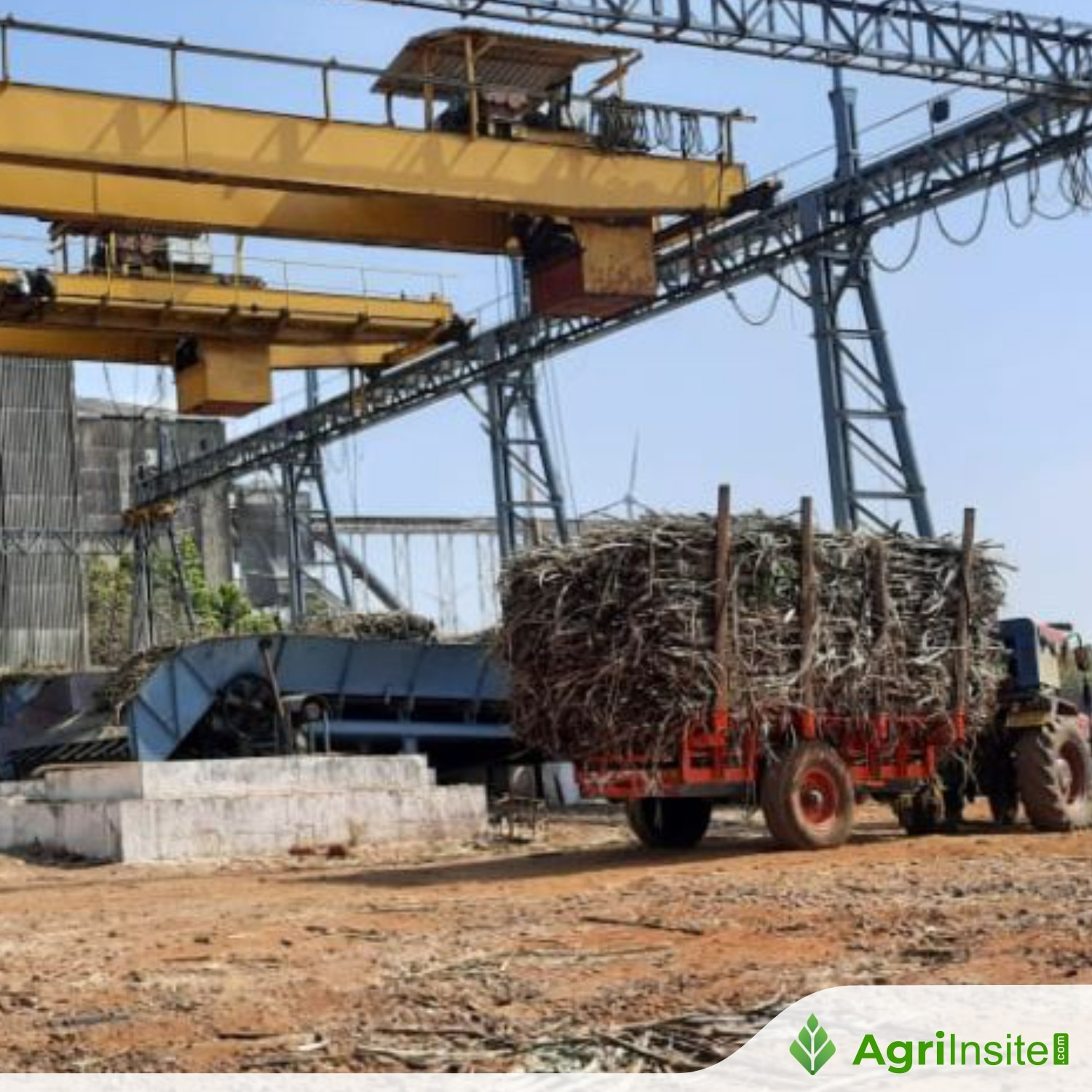
India’s sugar mills are entering the 2026-27 season focusing on integrated sugar, ethanol and power operations to improve profitability. With FRP at ₹365/quintal, pending Uttar Pradesh SAP, and ethanol boosting cash flows, mills aim to ensure timely cane payments and strengthen financial planning.
India’s sugar industry is entering the 2026-27 crushing season with a greater focus on integrated operations, as mills increasingly balance sugar, ethanol and power production to improve profitability and manage cash flows.
Industry experts said season planning has evolved beyond improving sugar recovery and factory operations. Mills are now making commercial decisions on how to maximise returns from every tonne of sugarcane by optimising the production of sugar, ethanol and electricity, The Hindu Businessline reported.
The Centre has fixed the Fair and Remunerative Price (FRP) for sugarcane at Rs 365 per quintal for the 2026-27 season, up 2.81% from the previous year. The FRP is more than double the estimated cost of production of Rs 182 per quintal.
However, for mills in Uttar Pradesh, the country’s largest sugar-producing state, the State Advised Price (SAP) remains the key benchmark for procurement and financial planning. In the 2025-26 season, the SAP was fixed at Rs 400 per quintal for early-maturing varieties and Rs 390 per quintal for common varieties, Rs 25-35 per quintal higher than the FRP. The state government is yet to announce the SAP for the 2026-27 season.
Under the Sugarcane (Control) Order, 1966, mills are required to pay farmers within 14 days of cane delivery, irrespective of whether payments are based on the FRP or SAP. Industry officials said timely payments remain critical for maintaining farmer confidence and ensuring adequate cane supplies.
As ethanol production assumes a larger share of mill revenues, cash-flow management has also become a key part of season preparedness. Payments from oil marketing companies for ethanol supplies are generally received within three weeks of dispatch, helping mills meet their working capital requirements during the crushing season.
Industry experts said mills would need to carefully align ethanol receivables with statutory cane payment obligations as production volumes increase under the government’s ethanol blending programme.
The growing integration of sugar, ethanol and cogeneration businesses is expected to shape operational and financial strategies across the industry as the new crushing season approaches.
To Read more about Sugar Industry continue reading Agriinsite.com
Source : ChiniMandi