Syria wheat output set to reach 2.3M Tonnes as farming picks up

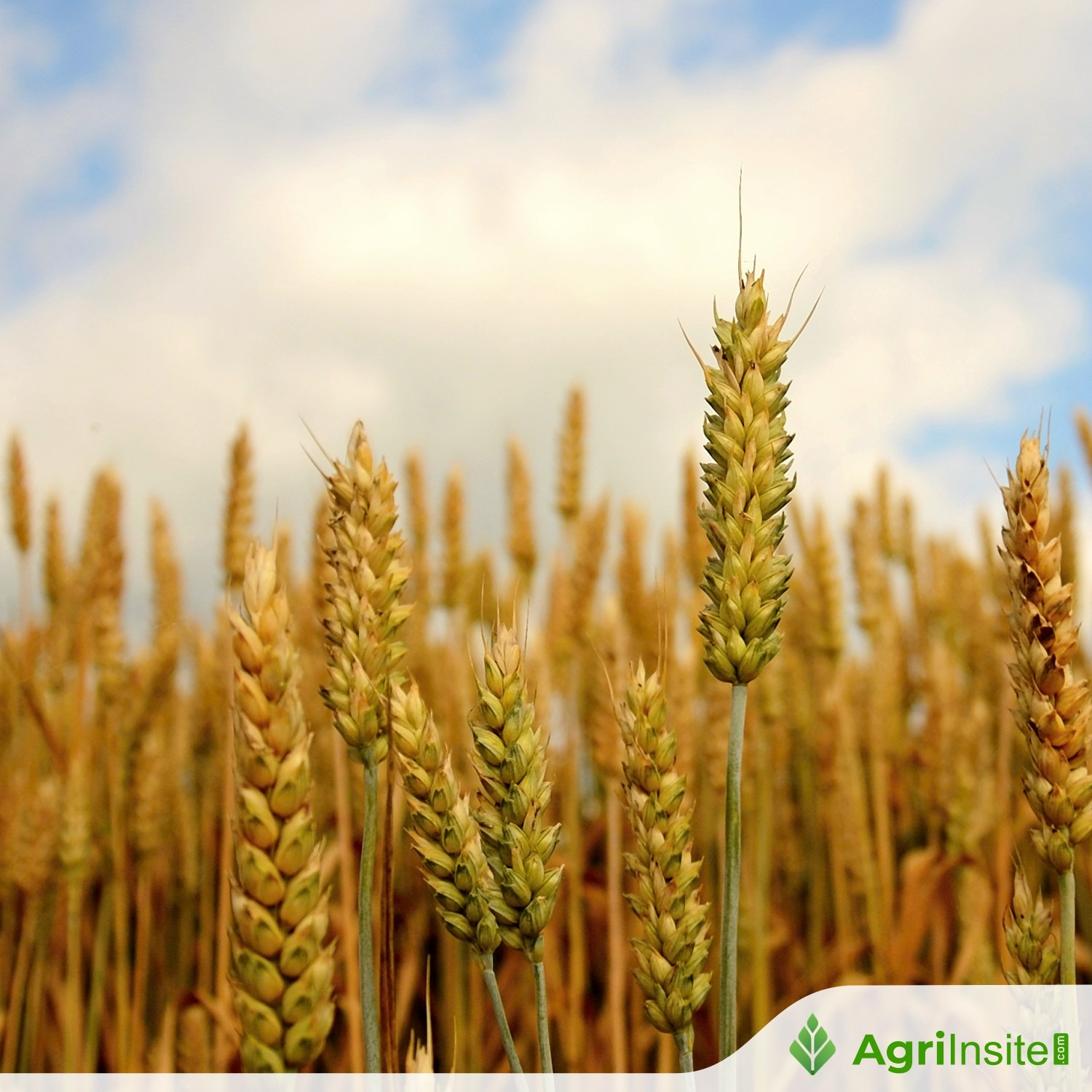
Syria’s wheat harvest is projected at 2.3 million tonnes, reflecting improved rainfall, farm support, and higher planting. Although below potential, output marks recovery in agriculture. Continued imports and government support aim to stabilise supply, while long-term plans focus on food security, resilience, and modern farming practices.
SYRIA – Syria’s wheat harvest is set to reach about 2.3 million tonnes this season, pointing to a steady improvement in the country’s farming sector.
Figures from the Ministry of Agriculture show that better rainfall, stronger crop performance, and wider access to farm support have helped raise output across key growing areas.
Farmers responded to these changes by planting more land and putting more effort into their fields, which has led to healthier crops and higher yields.
Officials say farmers have carried out 86 percent of the planned wheat cultivation programme. The country had set a target of 1.4 million hectares, and farmers planted about 1.2 million hectares.
Of this, irrigated land accounts for 505,000 hectares, while rain fed farming covers 763,000 hectares. Rainfall has supported both systems, though some areas faced flooding that affected fields.
Dr. Said Ibrahim, Director of Planning and Agricultural Statistics, said the current estimate could have reached 2.8 million tonnes if farmers had planted all the planned land. Even so, the present figures mark a clear step up from recent seasons.
To support supply, the government has continued to import wheat. Recent shipments include 70,000 tonnes delivered through three vessels at the Port of Tartus. In total, Syria has imported about 1.3 million tonnes through 57 shipments. These imports aim to keep reserves stable and ensure enough supply in the local market.
The government has also stepped up support for farmers. It has distributed certified seeds, supplied nitrogen and phosphate fertilisers, and introduced loan schemes to help farmers cover production costs. These steps have encouraged more planting, especially in irrigated areas where yields tend to be higher.
Looking ahead, Syria’s agriculture plan for 2026 to 2030 focuses on food security and better use of resources. The plan supports the use of improved seed varieties that can handle drought and disease, while also encouraging modern farming methods. It also calls for more private sector involvement to help grow the sector.
While some risks remain, including weather shocks and resource limits, current trends show that wheat production is improving. Continued support and steady investment will play a key role in keeping this progress on track.
To Read more about Wheat News continue reading Agriinsite.com
Source : Milling MEA