Vietnam’s nationwide E10 rollout opens major growth opportunity for ethanol and farm economy

Vietnam’s nationwide E10 petrol rollout is expected to boost ethanol demand to nearly one million cubic metres annually, creating a US$760 million market. Increased cassava-based ethanol production will support farmers, expand domestic processing, reduce raw cassava exports, and strengthen Vietnam’s rural economy and biofuel sector.
Hanoi: Vietnam’s move to introduce E10 petrol across the country is expected to create a large new market for domestically produced ethanol, strengthening demand for cassava and agricultural by-products while opening fresh opportunities for the rural economy.
The transition follows the Government’s Resolution 29/2026/NQ-CP, which took effect on May 16 and launched a pilot programme for E10 fuel distribution through June 2028. As part of the programme, authorities will develop mechanisms to expand feedstock availability for biofuels and evaluate the environmental benefits of biofuel adoption, Viet Nam News reported.
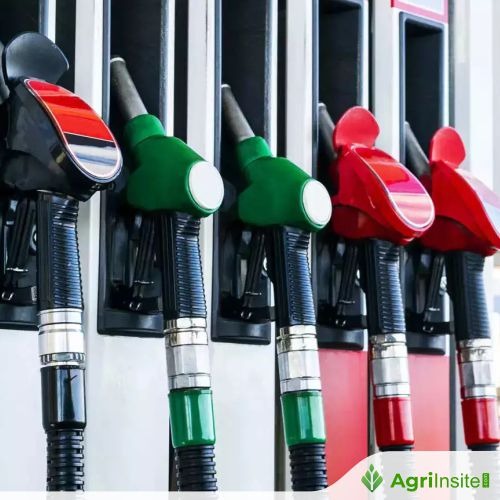
E10 petrol, which contains 10 per cent ethanol blended with conventional gasoline, is expected to sharply increase ethanol consumption once adopted nationwide.
According to officials from the Ministry of Agriculture and Environment, the focus will remain on improving crop productivity and strengthening processing capacity rather than expanding cultivation areas.
Vietnam already has a broad agricultural base that generates substantial crop residues and by-products that can support biofuel production. Cassava is expected to play a central role because of its high starch content and suitability for ethanol manufacturing.
By the end of 2025, Vietnam had around 517,000 hectares under cassava cultivation, producing approximately 10.5 million tonnes annually. Most of the cultivation is concentrated in the south-central coast and Central Highlands regions.
Under the country’s cassava development strategy through 2030, cultivated area is expected to remain broadly stable while production is projected to rise to as much as 12.5 million tonnes annually through higher yields and improved farming practices.
Industry plans also aim to direct nearly 85 per cent of cassava output toward processing industries, including starch, ethanol, monosodium glutamate and other industrial applications.
The ministry is encouraging investment in new processing facilities and upgrades to existing plants, with emphasis on advanced technologies that improve value addition, increase utilisation of by-products and reduce environmental impact.
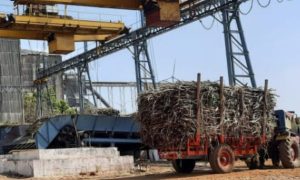
Officials said expanding ethanol production from cassava and sugarcane could provide farmers with more stable demand and strengthen income opportunities in rural areas.
Beyond cassava, Vietnam is also exploring the use of a wider range of agricultural crops and residues as feedstock for ethanol production.
Officials stressed that long-term success will depend on closer coordination among government agencies and stronger links between ethanol producers and farmers through purchase agreements, infrastructure support, irrigation facilities, storage systems and mechanised harvesting.
Industry estimates indicate that full nationwide adoption of E10 petrol could increase ethanol demand to nearly one million cubic metres annually, creating a market valued at around VNĐ20 trillion (US$760 million) and generating more than VNĐ10 trillion in revenue for agricultural feedstock suppliers.
Vietnam’s current ethanol production remains limited at around 25,000 cubic metres per month, with four operational ethanol plants and two additional facilities undergoing restructuring and upgrades.
The shift toward E10 is also expected to reduce Vietnam’s dependence on exports of raw cassava products and encourage greater investment in domestic processing capacity.
In 2025, Vietnam earned US$1.26 billion from cassava and cassava-product exports, maintaining its position as the world’s third-largest cassava exporter. However, industry observers note that export growth has continued to rely heavily on low-value processed products, highlighting the importance of expanding domestic ethanol demand.
To Read more about Ethanol Industry & Bio Energy News continue reading Agriinsite.com
Source : ChiniMandi