Philippine : Food inflation continues to ease amid negative rice inflation —PSA

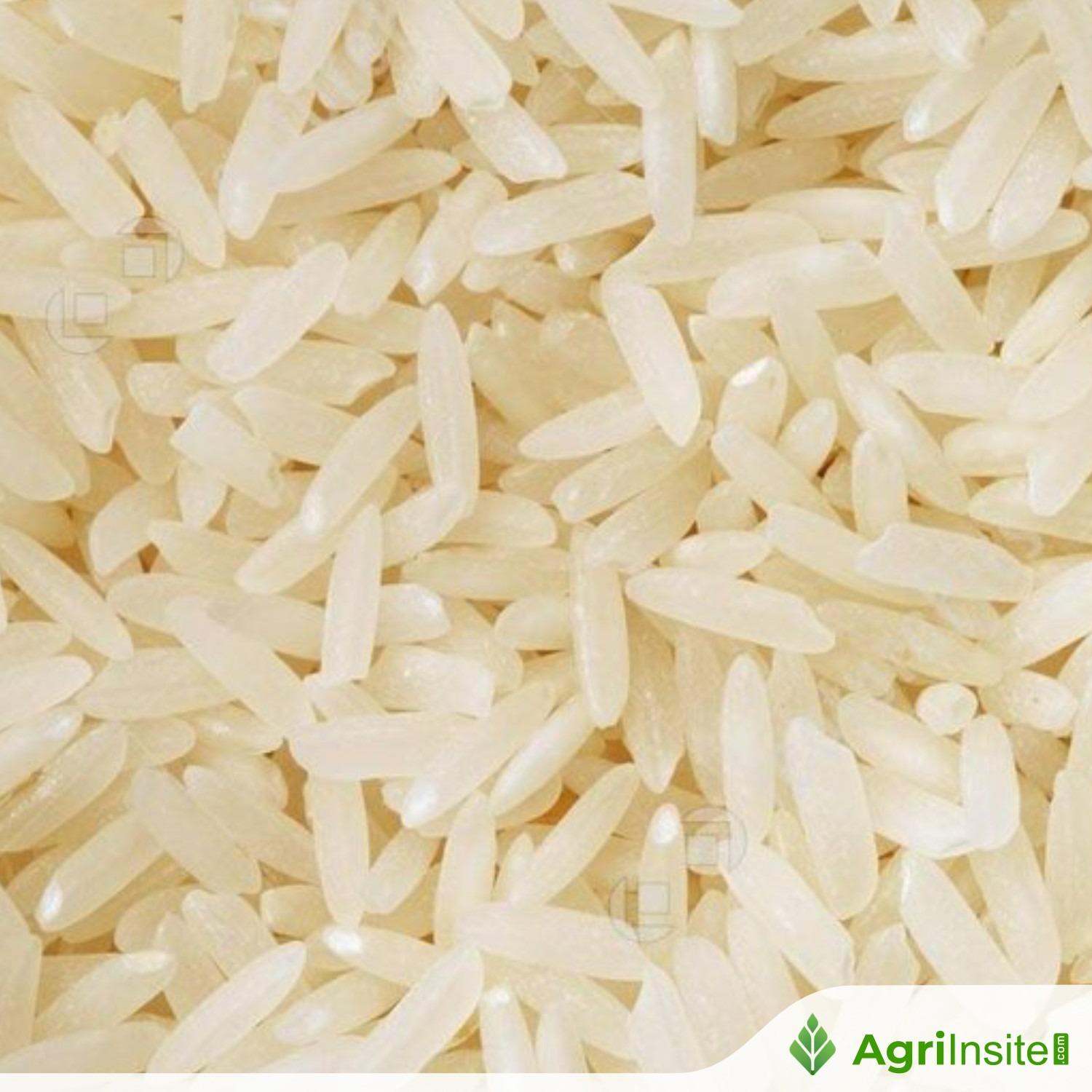
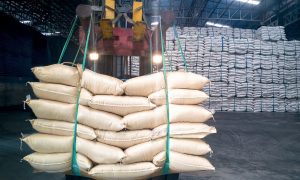
Food inflation in the Philippines eased to –0.3% in November 2025, driven by continued rice deflation at –15.4% due to lower tariffs and reduced MSRP. Cheaper rice, a major food basket component, pulled overall inflation down to 1.5%. Other food groups saw mixed trends, while core inflation slipped to 2.4%.
The Philippine Statistics Authority (PSA) on Friday reported that food inflation continued to ease in November 2025 as a result of continued rice deflation.
In its monthly inflation report, the PSA recorded an annual decline of 0.3% in food inflation during November from a 0.2% annual increase in October. This is on the back of a negative 15.4% rice inflation in November from negative 17.0% in the previous month.
According to PSA ASec. Divina Gracia del Prado, rice inflation has been negative since January after the government lowered tariffs for imported rice and implemented a maximum suggested retail price (MSRP) for the grain.
“We started at P58/kg… but now, [after] a series of reduction of the MSRP in a year… now it’s P43/kg. So we still see a negative inflation for rice,” she said during a press conference.
Del Prado explained that since rice accounts for about 9% of the total food basket, which has a combined weight of 35%, any decline in rice prices may significantly affect food inflation.
“So kung ang rice ay bumaba, yung food natin naaapektuhan. It has a high weight, dito natin na-attribute yung pagbaba ng food,” she noted.
Other food groups that contributed to the November inflation were vegetables, tubers, plantains, cooking bananas and pulses (4.0%; meat and other parts of slaughtered land animals (4.2%); milk, other dairy products, and eggs (1%); and ready-made food and other food products not elsewhere classified (2.1%).
Meanwhile, sugar, confectionery, and desserts showed faster annual decline of 0.3% from 0.1% percent in October.
However, faster annual increases in the following commodity groups were recorded: flour, bread and other bakery products, pasta products, and other cereals (1.6%), fish and other seafood (8.6%), and oil and fats (9.7%).
Lower food prices also helped tame headline inflation in the Philippines, now at 1.5% in November 2025 from 1.7% in October and compared to 2.5% in November 2024. This brings the national average inflation from January to November 2025 to 1.6%, way below the government’s 2% to 4% target range.
Other factors that contributed to the downtrend are the slower annual increase in the prices of alcoholic beverages and tobacco, furnishings, household equipment and routine household maintenance, and personal care and miscellaneous goods and services.
Core inflation, which excludes food and energy items that are prone to fluctuating prices, slowed down to 2.4% in November 2025 from 2.5% the previous month.
Inflation rate in the National Capital Region, likewise, slowed to 2.8% in November 2025 from 2.9% in the previous month.
“Similar to the trend at the national level and in NCR, the inflation rate in AONCR (areas outside NCR) decelerated to 1.2% in November 2025 from 1.3% in October 2025,” the PSA report stated.
Inflation for the bottom 30% income households also recorded a deflation of negative 0.2% in November from negative 0.4% in October, mainly due to rice deflation.
Del Prado explained that rice accounts for about 18% of the total 51% food basket in the bottom 30% income households.
To Read more about Rice News continue reading Agriinsite.com
Source : PTV News