Ukraine could deprive Russia of the ability to export grain from occupied territories

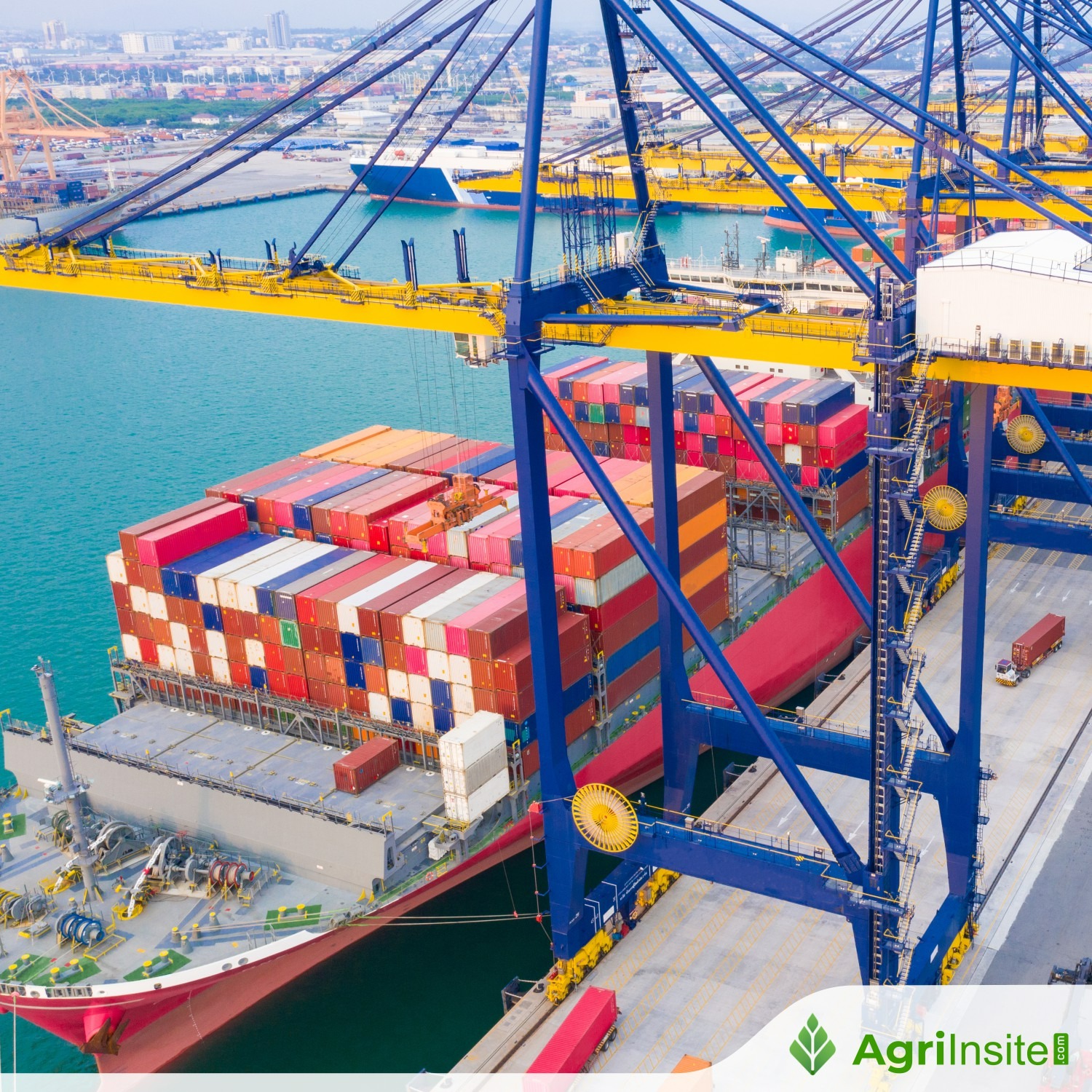
Growing restrictions on Sea of Azov shipping are disrupting Russia’s grain exports from occupied southern Ukraine, increasing reliance on vulnerable overland routes. Continued Ukrainian strikes on ports and transport corridors could raise logistics costs and reduce Russia’s ability to export grain from occupied territories.
Restrictions on shipping in the Sea of Azov could significantly complicate grain exports from the temporarily occupied territories of southern Ukraine. According to Oleksandr Kovalenko, military and political analyst at the Information Resistance group, the Sea of Azov is gradually losing its role as a secure logistics route, creating growing risks for agricultural exports through the ports of Mariupol and Berdiansk, while strikes on Crimea are also calling into question the use of Crimean ports for exports.
Since the start of the full-scale war, Russia has actively used the ports of occupied Azov coastal areas and Crimea to export grain from the temporarily occupied territories of Ukraine. This is strategically important for Moscow, as the occupied parts of the Zaporizhzhia, Kherson, Donetsk and Luhansk regions, as well as parts of Crimea, include some of Ukraine’s most fertile agricultural land. If maritime logistics remain under pressure, Russia will increasingly have to rely on overland routes to its own ports on the Sea of Azov and the Black Sea. However, this logistics corridor has also come under increasingly frequent Ukrainian drone attacks in recent months, while the long transport distances raise costs, delivery times and logistical risks.
According to Russian military commentators, the current situation points to the emergence of a comprehensive transport isolation of occupied southern Ukraine. Simultaneous pressure on shipping in the Sea of Azov, Crimean port infrastructure and overland transport routes is gradually reducing Russia’s ability to steadily export stolen grain and other agricultural products.
Grain produced in the occupied territories is largely registered by Russia as its own and included in its export statistics. This enables Moscow to increase shipments to global markets, generate additional export revenue and strengthen its position as one of the world’s leading wheat exporters. At the same time, the Kremlin uses the agricultural potential of the occupied territories as an economic pressure tool by reducing Ukraine’s export capacity and partially replacing Ukrainian grain on world markets with Russian supplies.
The attacks on the Sea of Azov are also viewed as a continuation of a broader campaign targeting Russian logistics in occupied southern Ukraine. Since early 2026, Ukrainian drones have increasingly targeted transport routes along the M-14 highway linking Russia’s Rostov region with Mariupol, Berdiansk, Melitopol and Crimea. As road transport became more difficult, the Sea of Azov turned into a key alternative for cargo deliveries and grain exports, but this route is now also coming under pressure.
Russia is gradually losing the ability to use the Sea of Azov as a transport corridor linking its mainland with occupied Crimea and southern Ukraine. This not only complicates military supply operations but also creates increasing difficulties for exporting grain and other agricultural products from the temporarily occupied Ukrainian territories.
Following the effective paralysis of shipping in the Sea of Azov, the next phase, according to Russian military analysts, could involve increased pressure on Russia’s own Azov port infrastructure, from Taganrog to Temryuk. If that scenario materializes, virtually all major logistics routes used by Russia to export grain from the occupied territories of Ukraine could come under threat.
In that case, Russia’s ability to use the occupied Ukrainian territories as a source of agricultural production and exports could be significantly reduced. Moscow would have to rely on longer and more expensive logistics routes, increasing transportation costs and reducing the efficiency of exploiting the agricultural potential of the occupied territories.
To Read more about Wheat News continue reading Agriinsite.com
Source : Ukr Agro Consult