Supreme Court rejects plea seeking mandatory ethanol labelling on petrol pumps

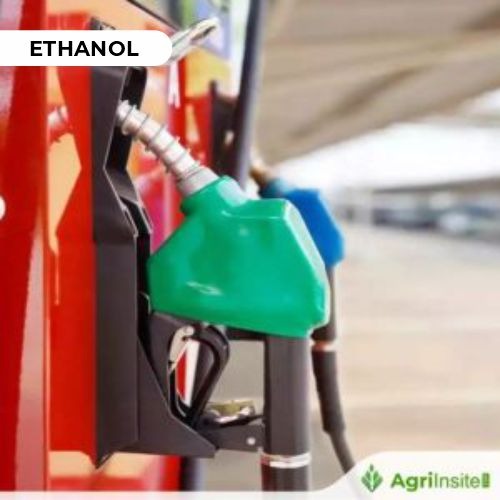
The Supreme Court dismissed a petition seeking mandatory disclosure of ethanol content on petrol dispensing nozzles, directing the petitioner to approach the competent authority. The plea sought transparency on E20 fuel, citing consumer awareness and vehicle compatibility concerns, but the Court declined to entertain it directly.
New Delhi: The Supreme Court on Monday dismissed a petition seeking mandatory and uniform disclosure of ethanol content on petrol dispensing nozzles across the country, Bar and Bench reported.
A bench of Justices M M Sundresh and P B Varale said the petitioner could approach the competent authority with his grievance.
“Petition dismissed. Open for petitioner to approach competent authority,” the Court said in its order.
The petition, filed by advocate Narendra Kumar Goswami, sought directions to the Central government to require petrol pumps to clearly display the exact percentage of ethanol blended in petrol on every dispensing nozzle.
During the hearing, the Bench questioned the petitioner’s locus and why he had approached the Supreme Court directly instead of first moving the High Court.
Goswami argued that consumers have a right to know the ethanol content of the fuel they purchase. “If I buy petrol, there is no mention of E20,” he submitted.
Attorney General R Venkataramani, appearing for the Centre, opposed the petition and referred to earlier Supreme Court orders rejecting challenges to the government’s E20 policy.
Goswami clarified that his petition did not challenge the ethanol-blending policy but sought only mandatory disclosure of the ethanol content. However, the Court declined to entertain the plea.
E20 petrol contains 20% ethanol and 80% petrol and forms a key part of the government’s strategy to reduce crude oil imports, lower emissions and promote domestically produced biofuels.
The rollout of E20 has also triggered concerns over vehicle compatibility, fuel efficiency and the performance of older vehicles. While automobile manufacturers have increasingly introduced E20-compatible models, questions remain over vehicles manufactured before the transition to higher ethanol blends.
The latest petition was therefore focused not on stopping E20 sales but on ensuring that consumers are clearly informed about the ethanol content of petrol before purchase.
To Read more about Ethanol Industry & Bio Energy News continue reading Agriinsite.com
Source : ChiniMandi