EU standards push Vietnam’s rice industry up the value chain

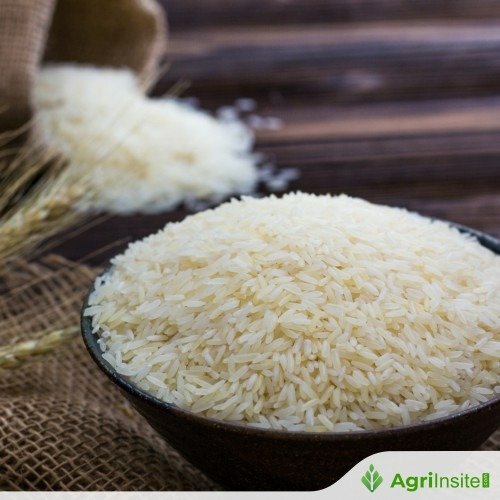
The European Union is pushing Vietnam’s rice industry toward higher quality, traceability and sustainability standards under the EU-Vietnam Free Trade Agreement. Experts say stricter rules are improving competitiveness, supporting premium fragrant rice exports and encouraging low-emission, transparent production systems.
Through stringent requirements on traceability, food safety and sustainability, the EU is increasingly reshaping how rice is grown, processed and marketed in Vietnam. Industry experts say these standards are not creating new barriers but are instead encouraging the industry to move toward higher quality, greater transparency and stronger competitiveness.
According to Le Thanh Tung, vice chairman and secretary general of the Vietnam Rice Industry Association, the EU market has become an important catalyst for upgrading Vietnam’s rice value chain and enhancing the international standing of Vietnamese rice.
The EU is one of the world’s most demanding agricultural import markets, particularly for rice. At the same time, it offers significant value-added opportunities, especially for premium fragrant rice and high-quality specialty products.
Vietnam currently benefits from tariff preferences under the EU-Vietnam Free Trade Agreement (EVFTA), including preferential access for recognised fragrant rice varieties.
To qualify for these benefits, however, exporters must provide clear evidence of the rice varieties used throughout the production process. For premium products such as ST25 rice, every stage, from seed selection and cultivation to processing and export, must meet strict traceability requirements.
These requirements should not be viewed as additional restrictions. Instead, they serve as mechanisms that protect the authenticity, reputation and quality of Vietnamese rice in international markets, Tung told Industry and Trade newspaper in an interview.
Updating fragrant rice varieties to reflect market reality
The EU’s recent adjustments to the list of fragrant rice varieties eligible for preferential treatment have been widely viewed as a technical update aligned with changes in Vietnam’s rice industry.
New rice varieties with improved quality and productivity are gradually replacing older ones, while consumer demand continues to evolve. Periodic reviews help ensure that preferential lists accurately reflect current production realities.
Importantly, the process is based on consultations between Vietnam and the EU. Vietnam can proactively propose new rice varieties with export potential for inclusion on the list, creating additional opportunities rather than limiting market access.
This mechanism allows Vietnam’s rice sector to remain flexible and competitive as global demand shifts toward higher-quality products, Tung said.
Administrative reform expected to benefit bxporters
Beginning July 1, 2026, certification and re-certification procedures for fragrant rice exports under both the EU-Vietnam Free Trade Agreement and the UK-Vietnam Free Trade Agreement (UKVFTA) will be delegated to provincial authorities.
Tung described the move as a positive administrative reform that could reduce processing times and ease pressure on central agencies while maintaining existing quality-control standards.
In practice, verification of fragrant rice varieties is conducted throughout the entire production cycle. Monitoring begins with seed sources and continues through cultivation, pre-harvest inspections and export procedures.
As a result, the reform primarily changes the administrative level responsible for implementation rather than altering technical requirements.
However, Tung noted that the effectiveness of decentralisation will depend largely on the capacity of local authorities. Provinces with well-prepared personnel and efficient procedures are expected to deliver clear benefits for businesses, although temporary delays may arise during the initial transition period.
EU standards raise expectations across the entire value chain
Beyond serving as an export destination, the EU increasingly functions as a benchmark for production standards.
Requirements related to food safety, traceability, stable sourcing areas and emissions reduction are encouraging closer cooperation between exporters and farmers, alongside pushing companies to standardise operations across the supply chain.
According to the expert, this may ultimately be the EU market’s most significant contribution to Vietnam’s rice industry. The impact extends beyond export growth to the modernisation of production systems and the strengthening of long-term competitiveness.
Meeting EU standards also improves access to other demanding markets, including Japan, the Republic of Korea, Australia and North America, where consumers place growing emphasis on quality, sustainability and transparency, he said.
Low-emission rice emerges as a future opportunity
In the interview, Tung believed low-emission rice represents a promising direction for the industry, although the market remains at an early stage of development.
Currently, only a limited segment of consumers in Europe and other developed economies is willing to pay a premium for lower-emission agricultural products. For most farmers, economic efficiency, including lower production costs, higher yields and stable market access, remains the primary consideration.
Over the longer term, however, global commitments to emissions reduction are expected to create stronger demand for sustainable agricultural products.
As climate-related standards become more prominent in international trade, low-emission rice could emerge as a significant competitive advantage for Vietnam in premium market segments.
Ultimately, the EU is doing more than buying Vietnamese rice. By encouraging higher standards for quality, transparency and sustainability, the bloc is helping reshape how the industry operates, from seed selection and farming practices to processing and export.
In that transformation, the real value lies not only in the grain itself, but also in the ability of Vietnam’s rice industry to adapt, innovate and compete in the world’s most demanding markets, Tung concluded.
To Read more about Rice News continue reading Agriinsite.com
Source : VOV