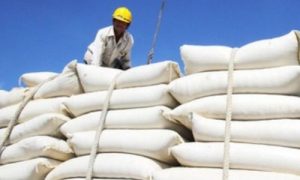
Indonesian sugarcane farmers seek ban on imported ethanol feedstock ahead of fuel blending rollout

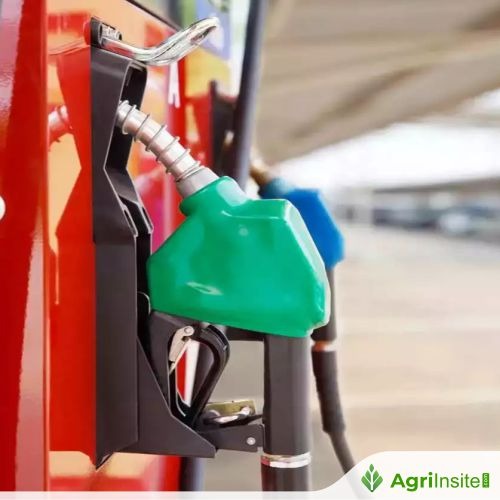
Indonesia sugarcane farmers urged the government to block imported ethanol feedstock for the planned E5/E10 fuel programme, arguing domestic molasses supplies are sufficient. Farmers said cheap imports from Pakistan have depressed local molasses prices, hurting incomes despite Indonesia’s large surplus production.
Jakarta: Sugarcane farmers in Indonesia have urged the government to prevent the use of imported ethanol feedstock in the country’s planned fuel-blending programme, saying domestic molasses production is sufficient to support renewable energy targets while improving farmer incomes.
The government is preparing to launch the E10 fuel programme from July, under which gasoline will contain 10% ethanol as part of efforts to expand the renewable energy mix, Jakarta Globe reported.
Molasses, a major raw material used for ethanol production, is currently selling at around Rp 1,400 per kilogram, sharply lower than the nearly Rp 2,500 per kilogram recorded in 2024.
According to Indonesian Sugarcane Farmers Association chairman Soemitro Samadikoen, unrestricted imports of ethanol products have contributed to the fall in prices.
He said Indonesia’s domestic molasses stock remains more than adequate to meet ethanol production needs. “If all of it is processed into ethanol, our molasses stock is still sufficient. If domestic supply is absorbed locally, prices can better reflect the hard work of farmers,” he said.
Association data shows Indonesia has recorded a molasses surplus of around 50% in recent years, with excess supplies exported overseas. However, global oversupply has pushed international molasses prices down, while imported ethanol products from Pakistan continue entering the Indonesian market, adding further pressure on local prices.
At present, most domestic molasses is used by industries such as pharmaceuticals, food seasoning and animal feed, while demand from the renewable energy sector remains limited.
The government will initially introduce the E5 programme on a limited basis in Java, Bali and Lampung.
Eniya Listiani Dewi, director general of new and renewable energy and energy conservation at Indonesia’s Energy and Mineral Resources Ministry, said during the IPA Convex event in Tangerang on May 21 that E5 blending would become mandatory in selected locations starting in July.
Energy and Mineral Resources Minister Bahlil Lahadalia has also directed that feedstock for the E5 programme should not depend on imports.
To Read more about Sugar Industry, Ethanol Industry & Bio Energy News continue reading Agriinsite.com
Source : ChiniMandi