Pakistan : Govt Allows Costly Imported Sugar to Be Exported, Billions at Risk

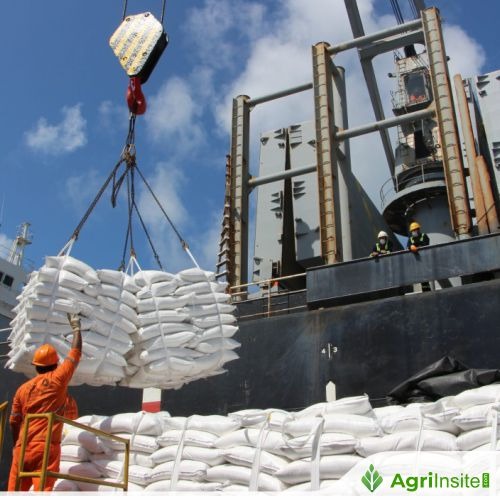
Pakistan’s decision to export imported sugar while around 250,000 tonnes of cheaper domestic sugar remains unapproved for export has raised industry concerns. Stakeholders warn the policy could cause financial losses, weaken mill cash flows and affect their ability to purchase sugarcane from farmers in the upcoming season.
Sources in the Ministry of Industries and Production said the decision was particularly concerning because the government has so far failed to approve the export of around 250,000 tonnes of locally produced sugar, which is reportedly available at a comparatively lower cost.
The decision to export only around 100,000 tonnes has reportedly disappointed industry stakeholders, who argue that the government should have prioritised the disposal of surplus domestic sugar rather than re-exporting costly imported stocks.
The issue has also raised concerns about the upcoming sugarcane procurement season. According to sources, sugar mill owners have already warned the Ministry of Industries and Production that under the current circumstances, they may face difficulties in purchasing sugarcane from farmers.
The concern comes amid a wider debate over Pakistan’s recent sugar import and export policy. The government had imported sugar after domestic prices came under pressure, while the latest move involves exporting surplus imported stocks as market conditions have stabilised. The Economic Coordination Committee recently approved international tenders for the export of 108,000 tonnes of surplus sugar, according to reports.
The controversy has revived questions over whether importing sugar at a higher cost and subsequently exporting it at a lower price could result in a financial burden for the government. Critics argue that such a policy could effectively expose the national exchequer to losses while cheaper locally produced sugar remains available.
Pakistan’s sugar sector is also facing a sizeable surplus. A recent USDA assessment projected 2026/27 sugar production at about 6.85 million tonnes, with exports forecast at around 300,000 tonnes, highlighting the importance of managing stocks and export decisions carefully.
Industry representatives fear that if surplus domestic sugar is not cleared and mills struggle with cash flow, their ability to purchase the next sugarcane crop could be affected. This, in turn, could create difficulties for farmers and put additional pressure on the country’s sugar supply chain.
The latest development is therefore likely to intensify scrutiny of the government’s sugar procurement, import, storage and export strategy, particularly over the financial impact on the national exchequer and the interests of both farmers and consumers.
To Read more about Sugar Industry continue reading Agriinsite.com
Source : Bloom Pakistan