Pakistan: Govt’s Wheat Policy Behind Current Crisis; Imports Needed Despite Record Production

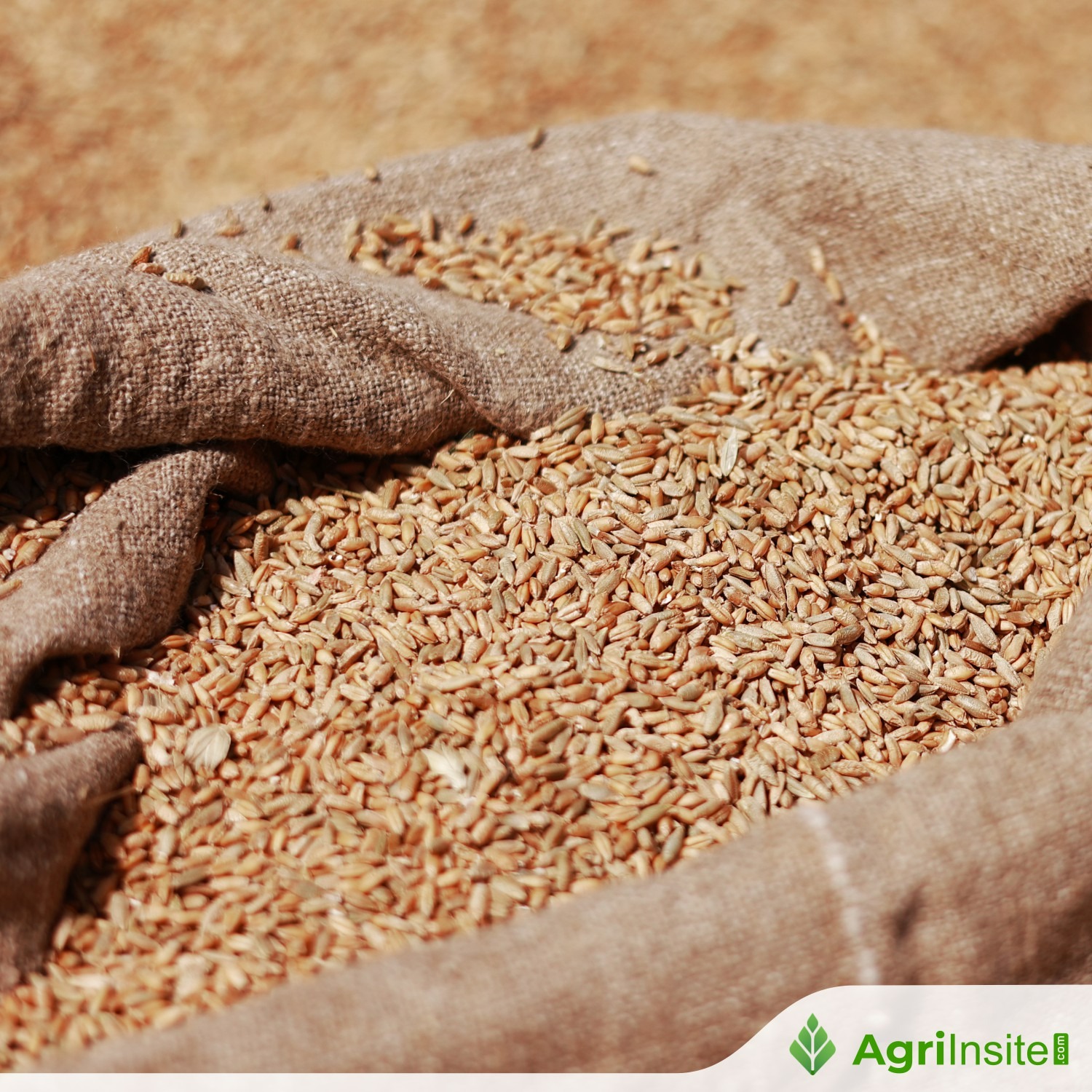
Pakistan faces a potential wheat crisis despite higher production, with plans to import 1 million tonnes after government procurement was sharply reduced. Farmers’ groups blame the shift towards private-sector procurement, alleging that inadequate state buying enabled traders and hoarders to control supplies and push prices higher.
ISLAMABAD: The government’s agricultural policy and privatization push are being blamed for Pakistan’s worsening wheat crisis, as the country faces the prospect of importing 1 million tons of wheat despite producing 29.6 million tons this year — 4.3% more than last year.
From Rs. 3,500 to Rs. 5,000: Farmers and Consumers Hit
According to farmers’ representatives, wheat was procured from growers at just Rs. 3,500 per maund. The open market rate has now surged to Rs. 5,000 per maund.
Sources say the crisis stems from the decision to halt procurement by PASSCO and provincial food departments. The government announced that 11 private companies would handle wheat purchase. When they failed to meet targets, only a token procurement was done by the state.
“This is the direct result of the privatization of food,” said a spokesperson of the Pakistan Kisan Rabita Committee.
April 17 Protests Ignored
On April 17, the Pakistan Kisan Rabita Committee staged over 100 protests in 68 districts in a single day. Their demands: end privatization, resume PASSCO procurement, and fix wheat support price at Rs. 4,000 per maund.
Protesters say no government representative sat down to hear them.
Where Did The Wheat Go?
Officials admit last year no wheat was imported. This year, an urgent import of 1 million tons is being planned despite no floods or refugee influx that could explain a shortage.
The key difference, analysts say, is policy. Until last year, the Punjab government borrowed from banks and directly procured wheat from farmers, keeping market control. This year, under World Bank, IMF and government privatization priorities, Punjab adopted “private sector procurement.”
Target: 3 million tons. Actual procurement: only a few thousand tons.
The remaining wheat is now with farmers, hoarders, and traders — what critics call the “beloved private sector” — who are holding stocks waiting for prices to rise further.
With no government stock to regulate the market, flour prices are expected to rise to levels consumers cannot afford and the government cannot afford politically, erasing gains made in controlling food inflation over the last two years.
Federal Intervention and Imports
The federal government does have some wheat stock. Initially, Punjab, Sindh and the Centre agreed to jointly import 1 million tons. Within days, both provinces withdrew and asked the Centre to lend from federal reserves.
Now the Trading Corporation of Pakistan (TCP) will handle imports, while provinces attempt to regain control of the market using federal stock.
“Reinstate Old Policy” Demand
Farmers’ groups argue the damage can still be reversed: reinstate the old procurement policy and seize wheat from hoarders.
“But that would mean using force against the private sector, not farmers — something this government will neither do nor can do,” a Kisan Committee leader said. “These days, except for ministry titles, handing everything to the private sector is called governance.”
To Read more about Wheat News continue reading Agriinsite.com
Source : Minute Mirror