Pakistan strengthens rice export resilience with new markets, routes

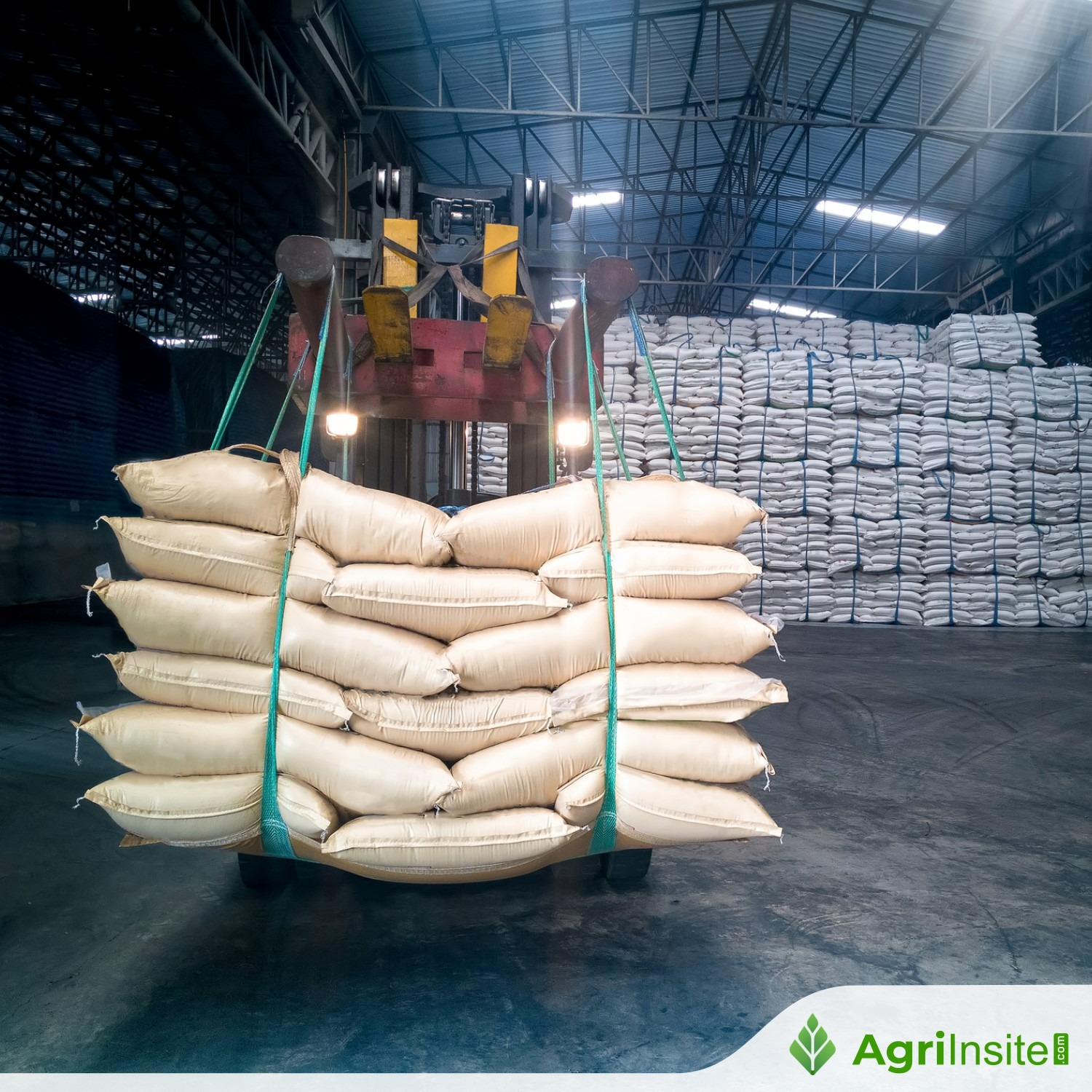
Pakistan is expanding rice exports to Africa, Central Asia, and East Asia to offset weaker Middle East demand caused by shipping disruptions and higher logistics costs. Improved SPS compliance and stricter quality controls sharply reduced EU rice export interceptions through April 2026.
Pakistan is expanding rice exports to Africa, Central Asia, and East Asia markets to offset weakening demand from the Middle East, according to an official document available with Wealth Pakistan.
The shift comes amid disruptions in key shipping routes, including the Strait of Hormuz and the Red Sea, which have triggered delays, vessel rerouting, and higher freight and insurance costs, reducing trade efficiency and export competitiveness. Rising fuel and logistics expenses have further strained timely deliveries, placing short-term pressure on Middle Eastern markets.
In response, authorities are strengthening alternative land and maritime routes, improving traceability, expanding exporter capacity, and deploying digital platforms such as Phyto to streamline trade. The Department of Plant Protection (DPP) is ensuring uninterrupted exports through efficient phytosanitary certification and strict compliance with Sanitary and Phytosanitary (SPS) requirements to prevent shipment delays at destination.
To facilitate trade, the Ministry of Commerce has granted a temporary exemption from the Financial Instrument requirement for exports to Iran and the Central Asian countries via the Iran land route, aimed at easing procedures and promoting alternative corridors.
Pakistan’s rice exports remained broadly stable, slipping slightly from 4.38 million metric tons (MMT) in 2024 to 4.32 MMT in 2025. While shipments to markets such as Malaysia, Indonesia, Belgium, and Benin declined, exports to the UAE and Afghanistan increased, reflecting shifting demand patterns.
During January-April 2026, exports reached around 1.49 MMT. Afghanistan shipments dropped to zero due to border closures, while the UAE and China remained strong markets. Meanwhile, African destinations such as the Ivory Coast recorded growth, highlighting a gradual diversification of export markets.
Pakistan remains among the world’s leading rice producers and exporters, producing 9-10 MMT annually with an exportable surplus of 4.5-5.5 MMT, and supplying over 150 countries.
The document noted that while Middle Eastern demand has remained relatively stable, growth in African and other non-traditional markets is offsetting declines elsewhere. In the European Union, stricter SPS requirements have improved compliance but kept volumes contained, indicating a shift toward quality-focused exports in premium markets.
To address food safety concerns, particularly maximum residue limits and aflatoxin contamination, the DPP—working with the commerce ministry and provincial governments—has banned 14 hazardous pesticides, tightened inspections, enforced mandatory testing, and blacklisted exporters involved in fraudulent reporting.
It has also promoted Good Agricultural Practices and moisture control, while engaging international inspection agencies such as SGS and Eurofins.
These measures have significantly improved compliance, with EU interceptions falling from 77 in 2024 to 38 in 2025, and further to just five cases up to April 2026.
To Read more about Rice News continue reading Agriinsite.com
Source : INP