Tanzania targets edible oil self-sufficiency with tax relief and import controls

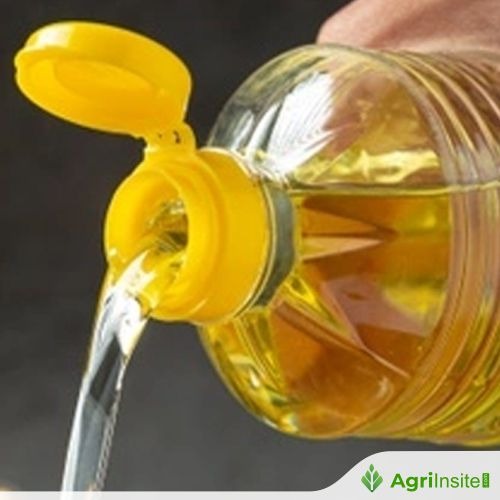
Tanzania has unveiled 2026/27 budget measures to boost domestic edible oil production, including a VAT exemption on locally produced edible oils, a 10% customs duty on crude edible oil imports, and annual seed subsidies for farmers. The reforms aim to reduce import dependence, strengthen local processing, and support self-sufficiency in edible oils.
TANZANIA – Tanzania has introduced a series of policy changes in its 2026/2027 national budget aimed at increasing domestic edible oil production and reducing reliance on imports.
The government has exempted all edible oil produced from locally grown oilseeds from value added tax (VAT), a move expected to support local crushing and processing activities. At the same time, authorities have imposed a 10% customs duty on all crude edible oils, including crude palm oil, to address import misclassification and support domestic refiners.
The budget also includes annual seed subsidies for farmers. The government expects the support to increase oilseed production, improve the supply of raw materials for processors, and lower production costs across the value chain.
The measures form part of a wider effort to strengthen Tanzania’s edible oil sector and reduce the country’s dependence on imported products. Tanzania currently spends more than US$210 million each year on edible oil imports, much of it palm oil sourced from Asia.
By reducing taxes on locally processed oils and increasing support for farmers, the government hopes to encourage more investment in oilseed production and processing. The customs duty on crude oils is also expected to reduce pressure from lower-cost imports that compete with local products.
The latest policy changes place Tanzania alongside other African countries seeking to increase local edible oil production. Kenya has expanded efforts to grow sunflower production, while Nigeria continues to invest in palm oil production to meet domestic demand.
Alongside the budget measures, Tanzania is also increasing investment in local seed production. The Tanzania National Service (JKT) recently launched projects to produce sunflower and palm oil seeds, targeting annual output of 1,300 tonnes to support domestic processors.
The government has also identified palm oil as a key crop in its plans to reduce import dependence. Prime Minister Kassim Majaliwa has called for expanded palm oil cultivation and greater processing capacity as part of efforts to reduce the country’s import bill and strengthen food security.
Tanzania aims to achieve self-sufficiency in edible oils, with both sunflower and palm oil expected to play important roles. New investments in processing facilities are underway, while growing regional demand could also create opportunities for Tanzanian producers to supply neighbouring markets in the years ahead.
To Read more about Edible Oil News continue reading Agriinsite.com
Source : Milling MEA