Amazon signs $30 million deal to buy carbon credits from Indian rice farmer

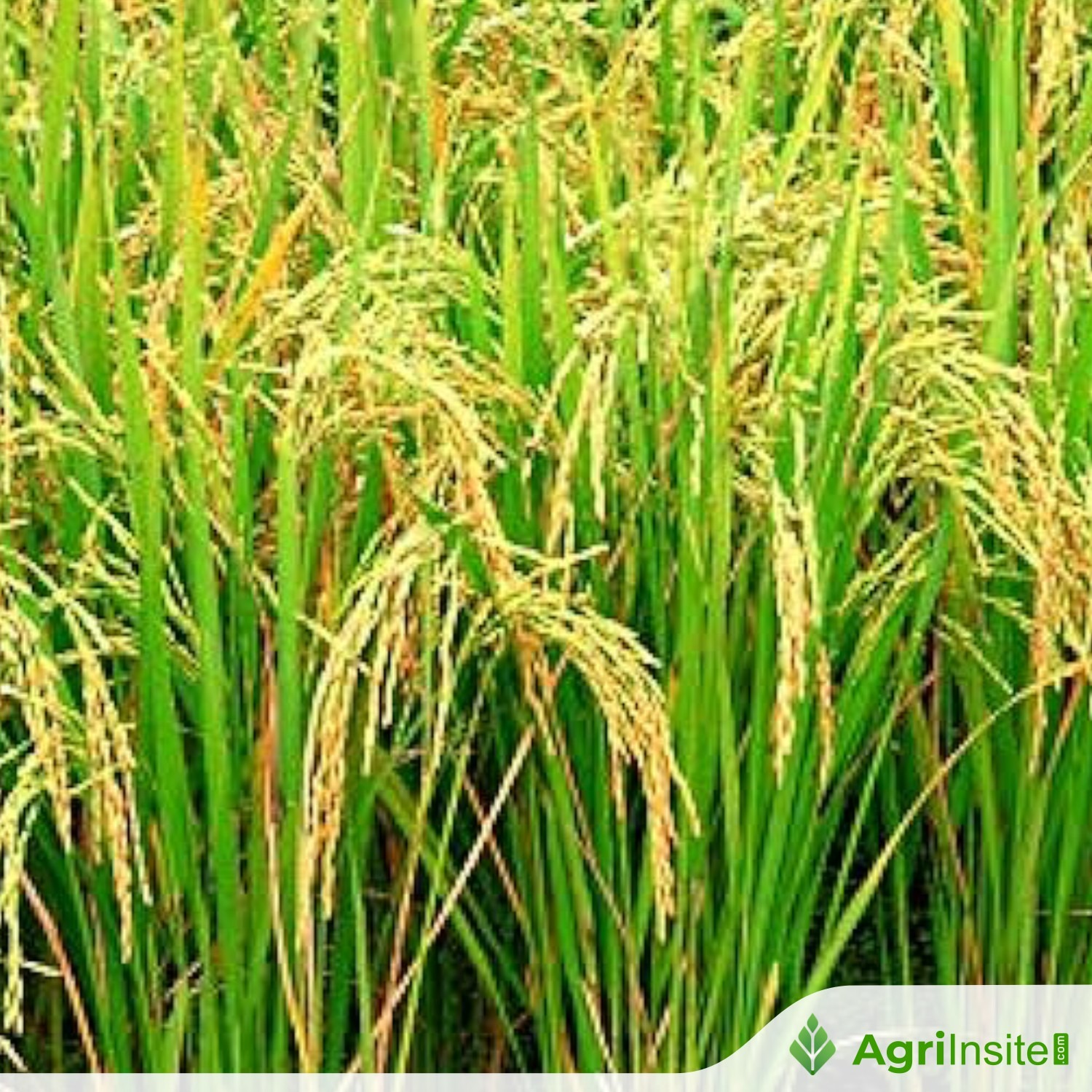
Amazon signed a $30 million deal with the Good Rice Alliance to buy carbon credits from Indian rice farmers, supporting sustainable practices. The project reduces methane emissions, helps small farmers, and marks one of India’s largest agricultural carbon credit agreements.
iStock American ecommerce firm Amazon has signed a $30 million (Rs280 crore) agreement with the Good Rice Alliance to buy carbon credits generated by Indian rice farmers, people aware of the matter said.The Good Rice Alliance is an entity held by German pharmaceutical and agrochemical maker Bayer with collaborations from GenZero of Singapore investment firm Temasek and Shell Nature-Based Solutions of energy major Shell.This is the first agricultural carbon credit deal of this size in India and one of the largest globally. Mostly such deals are done by companies operating in the renewable energy sector.
The purchase will help Amazon offset its global emissions and advance net-zero goals. It will cover more than 685,000 metric tonnes of carbon-dioxide-equivalent carbon credits during the initial crediting phase.
The alliance works with more than 13,000 smallholder farmers across 35,000 hectares in India to reduce methane emissions and provides training, field-level support and financial incentives to switch to sustainable methods of growing rice, which otherwise leads to emission of large amounts of polluting gases.
Conventional rice cultivation involves flooding of paddy fields, accounting for 8-10% of global methane emissions, making it the second largest source of agricultural methane emissions globally. India, the largest paddy producer, is the third largest global methane emitter. Switching to sustainable methods means adopting improved water-management practices, including alternate wetting and drying and direct seeded rice.
Methane is a super pollutant with a global warming potential over 27 times that of carbon dioxide, making near-term reductions critical for slowing climate change this decade.Globally, tech companies which have large carbon footprint, have struck large carbon credit deals to make up for their emissions.Microsoft recently signed a soil carbon credit agreement valued at $171-228 million and Meta agreed to a deal worth up to $16 million for forestry credits. Shell has been among the largest buyers by volume, retiring millions of credits each year as part of its offset strategy.India is in the final stage of launching its first carbon-trading programme to report on emissions generated by participating industries. Currently, most carbon trading in the country is done on a voluntary basis.
To Read more about Rice News continue reading Agriinsite.com
Source : The Economic Times