Indonesia rice reserves hit record ahead of dry season

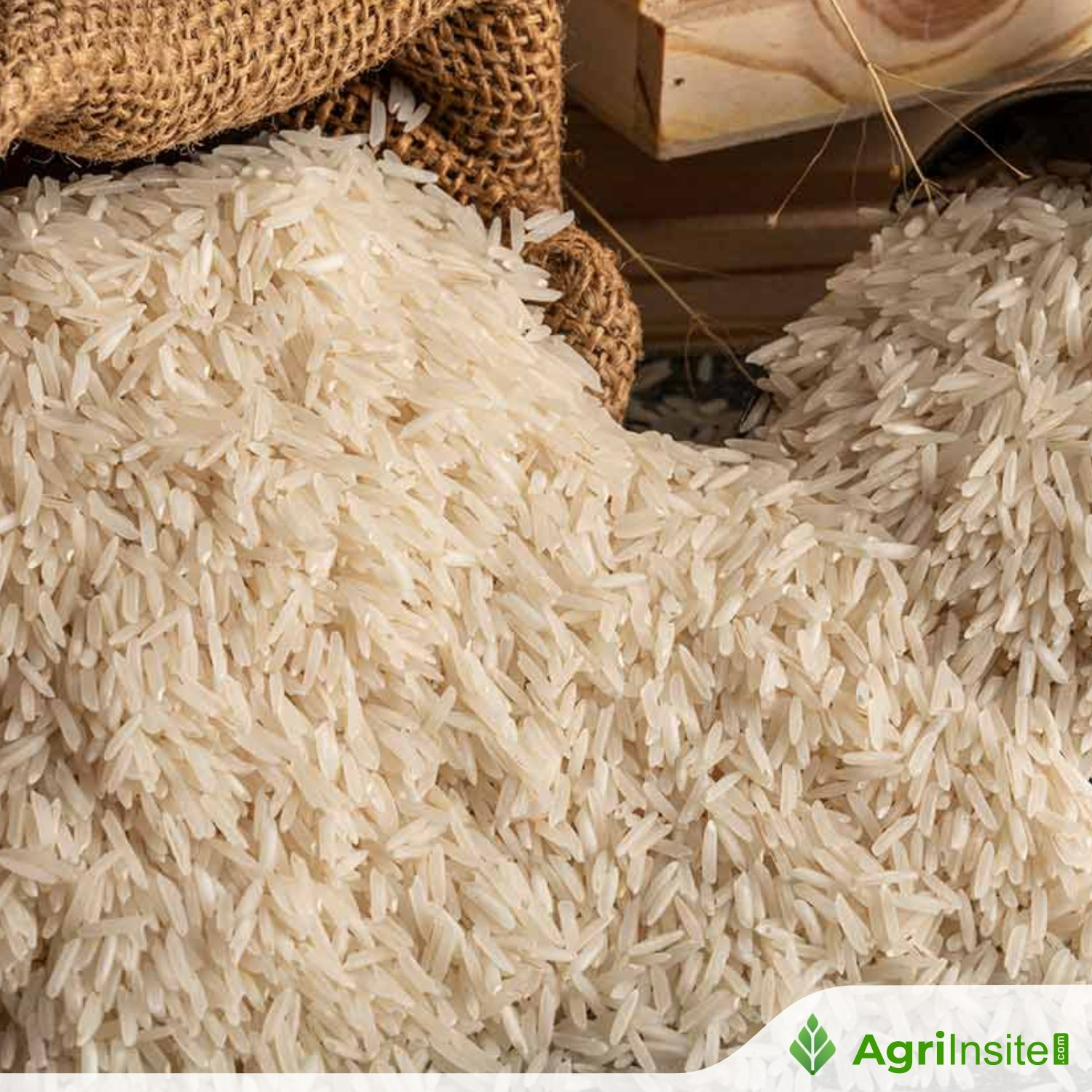
Indonesia’s rice reserves reached a record 5.37 million tonnes as Perum Bulog procured 2.8 million tonnes, or 70% of its 2026 target. Rice production rose 13.29% to 34.69 million tonnes in 2025, strengthening food security ahead of an expected peak dry season in August.
Jakarta (ANTARA) – Indonesia’s rice reserves hit a record 5.37 million tons, strengthening food security as the country prepares for a prolonged dry season expected to peak in August, Deputy Minister of Agriculture Sudaryono said on Tuesday.
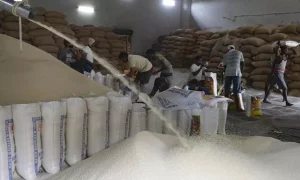
Speaking at a parliamentary hearing in Jakarta, Sudaryono said state logistics agency Perum Bulog had absorbed 2.8 million tons of rice as of May 18, or about 70 percent of its 2026 procurement target of 4 million tons.
“Rice procurement from January through May 18 reached 2.8 million tons, while national reserves stand at 5.37 million tons. This is the highest stock level in the history of the Republic of Indonesia,” said Sudaryono, chairman of the Indonesian Farmers Association (HKTI).
The Meteorology, Climatology and Geophysics Agency (BMKG) said the dry season began in April in parts of Nusa Tenggara and is expected to spread nationwide, with peak conditions forecast in August.
To stabilize supplies and prices, the government has strengthened reserve management under Presidential Instruction No. 4 of 2026, requiring Perum Bulog to procure 4 million tons of rice through 2029 at Rp 6,500 per kilogram for harvested dry paddy.
Average farm-gate paddy prices stand at Rp6,815 per kilogram, or 4.85 percent above the government purchase price.
Indonesia produced 34.69 million tons of rice in 2025, up 13.29 percent from a year earlier.
“Rice production in 2025 reached 34.69 million tons, or 13.29 percent higher than the previous year,” Sudaryono said.
The Agriculture Ministry expects procurement targets to remain achievable, with May harvest output projected at 2.75 million tons and June at 2.47 million tons.
House Commission IV Chairperson Siti Hediati Hariyadi welcomed the stronger reserves but warned that climate change, geopolitical tensions, and trade disruptions could still threaten global food stability.
To Read more about Rice News continue reading Agriinsite.com
Source : Antara